 Malawi Freedom Network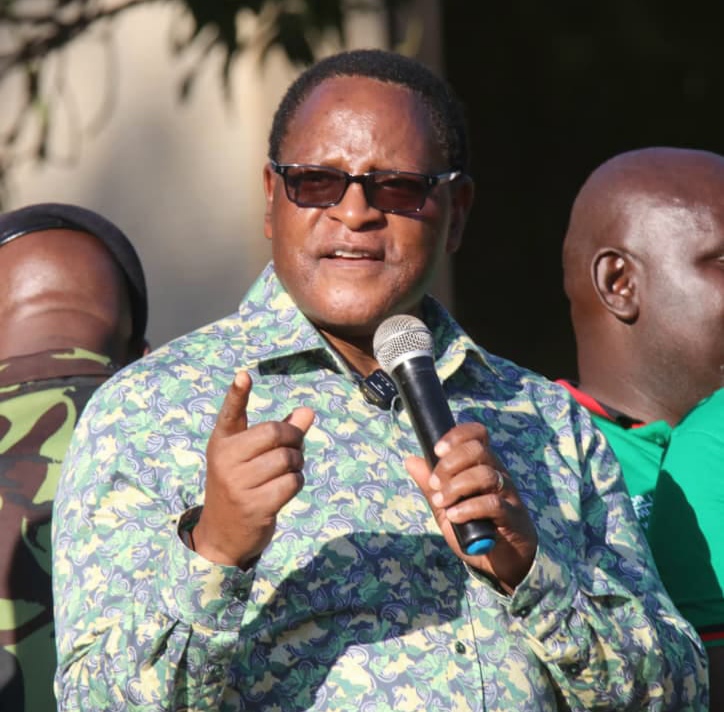
By Suleman Chitera
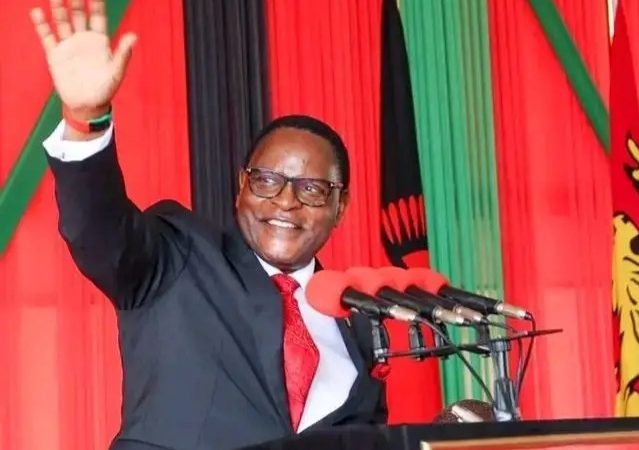
Public sentiment in Malawi is increasingly shifting as citizens reflect on the economic hardships experienced during the rule of the Lazarus Chakwera and Malawi Congress Party (MCP), with many arguing that the country cannot afford to revisit that period.
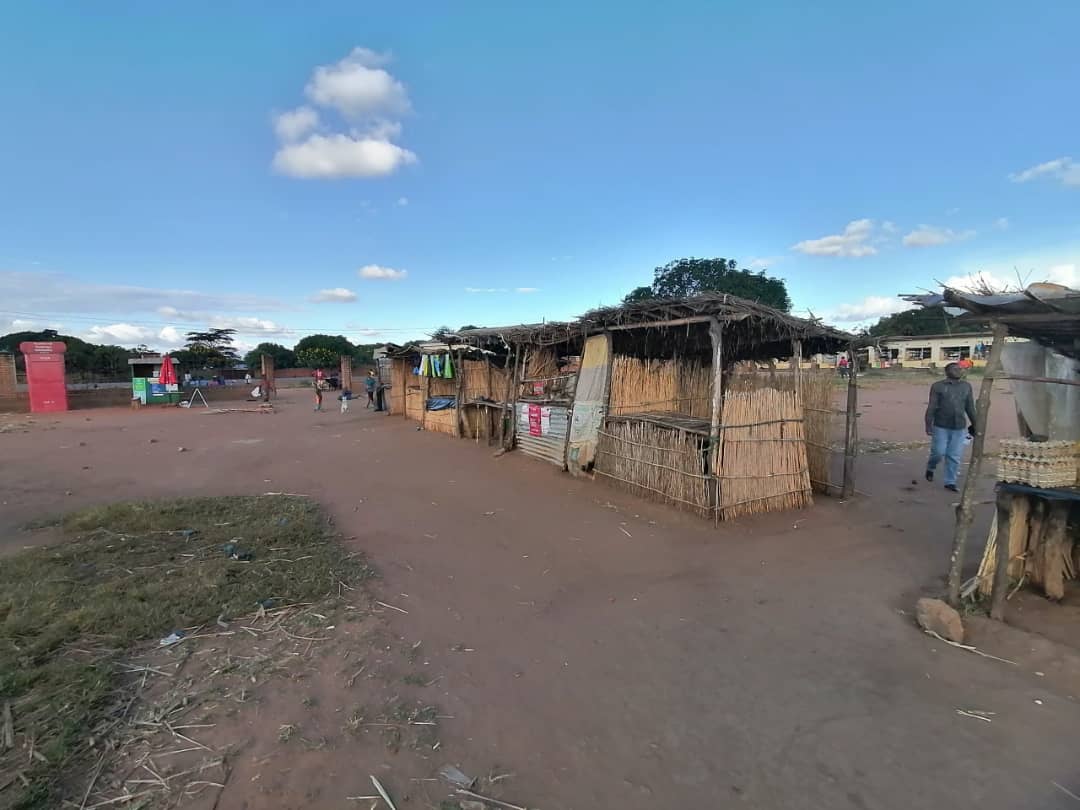
A wave of voices from across communities points to sharp increases in the cost of essential commodities between 2020 and 2025. Fertilizer prices, for instance, reportedly surged from around MK18,000 to as high as MK180,000 per bag within just four years — a spike that heavily impacted smallholder farmers and food production nationwide.
Why Lazarus Chakwera Failed as President of Malawi
Similarly, basic goods saw dramatic price hikes. Items that once cost as little as MK500 were reportedly selling for up to MK5,000 by 2025, placing a severe strain on household incomes. Fuel shortages also became a defining feature of the period, with some Malawians forced to spend up to three days in queues at filling stations.
Critics argue that these challenges intensified under the leadership of , with many citizens claiming that economic instability, hunger, and supply chain disruptions became more pronounced during his administration.
Kashoti says MCP must answer for the crisis they created
However, recent observations from some sections of the public suggest that certain commodity prices have begun to stabilize or even decline. The cost of cement, which once peaked at MK55,000, is now reportedly ranging between MK28,000 and MK31,000. Bicycle tyres have dropped from MK36,000 to around MK28,000, while maize prices in some areas are said to be more affordable compared to previous years.
Kamphangala faults Chakwera wrong for politicizing the funeral Service
Beyond prices, there are also claims that arbitrary harassment and economic uncertainty have reduced, contributing to a sense of relative relief among some citizens.
Despite this, analysts caution that economic recovery is a gradual process. Years of inflation, currency pressure, and structural challenges cannot be reversed overnight. While some improvements may be visible, the long-term outlook will depend on consistent policy direction and economic discipline.
Still, the political message from parts of the electorate is becoming clearer: many are wary of returning to past leadership they associate with hardship. Instead, there is a growing call for practical governance focused on stabilizing the economy, lowering the cost of living, and ensuring food security.
PAC Pens Speaker On Colleen Zamba No Show
As Malawi moves closer to future elections, the debate is no longer just about political loyalty — but about lived experience. For many voters, the central question remains simple: which leadership can deliver real, lasting relief?
In a country where economic realities shape daily survival, that answer may ultimately decide the next government.