
 Suleman Chitera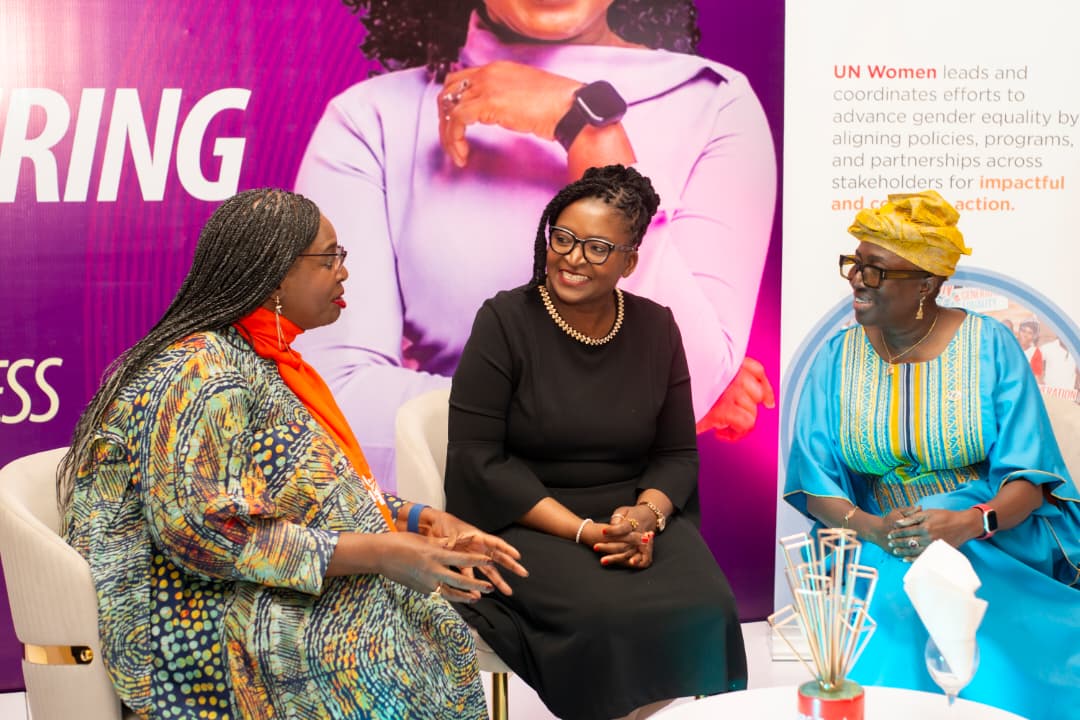
By Staff Reporter
NBS Bank has unveiled one of the biggest strategic transformations in its history, abandoning its traditional Small and Medium Enterprise (SME) Banking model in favour of a comprehensive Business Banking strategy that promises to fundamentally change how businesses are financed, supported and grown in Malawi.
Rather than simply introducing a new brand, the bank says it is changing its entire philosophy by shifting from a product-driven approach to one centred on businesses, industries and entrepreneurs, arguing that Malawi’s enterprises deserve banking that understands their ambitions, responds to their unique challenges and grows alongside them.NBS Bank Launches ‘Kwakoma ndi ku NBS Bank Promotion’ to Boost Savings Culture Among Malawians
The new strategy, officially launched at the Bingu International Convention Centre (BICC) in Lilongwe, is built on a conviction that has challenged decades of conventional banking: businesses should not be defined by their size but by their potential. Bank executives say the SME label has become too limiting because it classifies businesses according to where they are today instead of recognising where they can go tomorrow. Under the new model, NBS wants to become a long-term growth partner that nurtures businesses from start-ups into national champions and, ultimately, regional and multinational enterprises capable of transforming Malawi’s economy.
Launching the initiative, NBS Bank Chief Executive Officer Temwani Simwaka described the move as far more than a cosmetic name change, saying it represents a bold declaration that the future belongs to institutions prepared to rethink how they serve customers. He said while many financial institutions organise themselves around banking products such as loans, overdrafts and deposit accounts, NBS has deliberately chosen to organise itself around entrepreneurs, industries, business ambitions and economic opportunity.NBS Bank unveils groundbreaking national football league for Malawi’s second tier
“We have not simply introduced a new banking proposition. We have declared a new direction,” Simwaka said. “The future does not belong to institutions that change their names. It belongs to institutions that change the way they think.”
He said the philosophy behind Business Banking is rooted in one simple but powerful belief—that businesses should never have to adjust themselves to fit the systems of a bank. Instead, banks should redesign themselves to meet the realities of businesses. According to Simwaka, that means delivering faster decisions, industry expertise, innovative digital solutions and meaningful relationships that create value beyond lending. “Businesses should never have to adapt to their bank. Banks should adapt to businesses,” he said, adding that Business Banking reflects NBS Bank’s commitment to making banking easier while genuinely caring more about the success of its customers.
Chief Wholesale Banking Officer Alfred Nhlema said the transformation was driven by a difficult question the bank asked itself: What if banking evolved as fast as business? He said that single question forced the institution to rethink everything it knew about business banking and exposed the weaknesses of the traditional SME Banking model, which focused on classifying businesses according to turnover and size rather than recognising their aspirations and capacity to grow.NBS Bank, MDF seal 10-year partnership to sustain veterans’ welfare support
“There was nothing wrong with the name SME Banking,” Nhlema said. “But there was something missing. It defined businesses by their size. We believe businesses should be defined by their potential.”
He said NBS no longer looks at customers and sees small and medium enterprises. Instead, it sees founders turning ideas into companies, entrepreneurs creating opportunities, manufacturers adding value to local resources, exporters earning foreign exchange and employers creating jobs for thousands of Malawians. “Most importantly,” he said, “we see people building the future of Malawi.”
According to Nhlema, the bank’s role is no longer limited to financing existing businesses but extends to helping entrepreneurs realise bigger ambitions. Whether a customer is launching a start-up, expanding a growing enterprise or building a company capable of competing across Africa, NBS wants to become the financial institution that walks with that business throughout its entire journey. “Our responsibility is not simply to finance where you are today,” he said. “Our responsibility is to help you build a future business—from start-up to growing enterprise, to corporate, to multinational.”
One of the biggest changes under the new strategy is the complete rejection of what the bank describes as generic, one-size-fits-all banking. For years, businesses from completely different industries have often been offered similar financial products despite operating under vastly different conditions. NBS says that approach ignored the unique realities facing different sectors of the economy and often prevented businesses from receiving solutions tailored to how they actually operate.
Nhlema argued that no two industries manage risk, cash flow or investment in the same way. A contractor works differently from a farmer. A mining company faces different financing cycles from a manufacturer. A hospital manages income differently from a wholesaler, while transport operators and educational institutions have their own unique financial demands. “Different businesses. Different realities. Different ambitions. So why would they receive identical banking?” he asked. “They should not. And they will not.”
To address that gap, NBS has reorganised its Business Banking division around specialised sectors, creating dedicated teams for agriculture, mining, construction, manufacturing, transport, trade, healthcare, education, faith-based institutions and women-owned businesses. Instead of assigning customers to general bankers, the institution is developing relationship managers with specialist knowledge of each sector so they can understand industry trends, appreciate sector-specific risks and recommend financial solutions that genuinely respond to business realities rather than forcing businesses into standard banking templates.
The bank believes that expertise is just as important as capital. As part of the transformation, Business Banking Managers will no longer function merely as account administrators responsible for processing paperwork. Instead, they will become trusted advisers and strategic partners whose success will be measured by the growth of the businesses they serve. Their role will include helping customers overcome challenges, identifying opportunities, offering practical financial advice and ensuring businesses receive timely support whenever opportunities arise.
Nhlema admitted that entrepreneurs have long been frustrated by bureaucratic banking systems in which applications disappear into endless internal processes, customer queries are passed from one department to another and business opportunities are lost because decisions take too long. He said NBS intends to break that culture by making Business Banking Managers directly accountable for customer relationships and giving them direct access to senior decision-makers, including the Chief Executive Officer, to accelerate approvals and resolve challenges quickly. “Banking should never become the reason a business misses an opportunity,” he said.
Technology forms another major pillar of the transformation. Recognising that speed has become a competitive advantage, NBS has committed itself to delivering faster, digital-first banking services designed around the pace of modern business. The bank has promised five-day credit decisions, online business account opening, integrated digital collections, pre-approved facilities, cash-flow-based lending and alternative collateral structures that recognise business performance rather than relying exclusively on fixed assets. According to Nhlema, entrepreneurs should spend their time building businesses, serving customers and creating jobs—not standing in bank queues or waiting weeks for decisions.
Beyond lending, NBS also wants to become what it describes as Malawi’s primary business bank by managing every aspect of a company’s financial life through one integrated relationship. Rather than providing isolated products, the bank aims to combine deposits, cash collections, payment solutions, trade finance, guarantees, working capital, asset finance, insurance and digital banking into a single customer relationship built on long-term partnership. The strategy is summarised in a simple philosophy: One relationship. One partner. One primary bank.
Another key pillar of the new Business Banking strategy is the empowerment of women entrepreneurs through the Bold & Bankable initiative, implemented in partnership with UN Women and organisations such as SMEDCO. NBS says access to finance alone has never been enough for women-owned businesses to reach their full potential. Instead, the programme seeks to create a complete business ecosystem by combining finance with mentorship, leadership development, business training, networking opportunities, market access and strategic partnerships that strengthen women-led enterprises.
Simwaka said sustainable economic growth can only be achieved when opportunities are shared more equitably across society. “Through Bold & Bankable, we are investing in women entrepreneurs not simply with finance, but with knowledge, partnerships and opportunity,” he said. He added that empowering women entrepreneurs creates a ripple effect across families, communities and the wider economy because successful women-owned businesses generate employment, increase household incomes and stimulate national development.
Perhaps the most profound aspect of the new strategy is NBS Bank’s decision to redefine how it measures its own success. Rather than focusing on the volume of loans approved or the value of assets on its balance sheet, the bank says its true measure of success will be the number of businesses that grow because of its support, the jobs they create, the industries they transform and the contribution they make to Malawi’s economy. “We do not measure success by the number of loans we approve,” Simwaka said. “We measure success by the number of businesses that grow because we believed in them.”
For NBS Bank, replacing SME Banking with Business Banking is ultimately about replacing limitations with possibilities. It is a statement that today’s small businesses should never be confined by today’s balance sheets, because with the right financial partner they can become tomorrow’s industry leaders. It is also a declaration that banking should no longer be about processing transactions, but about unlocking ambition, accelerating enterprise and helping build the next generation of businesses that will drive Malawi’s economic future.