
 Suleman Chitera
By Suleman Chitera, MFN Reporter
Date: 19 October 2026
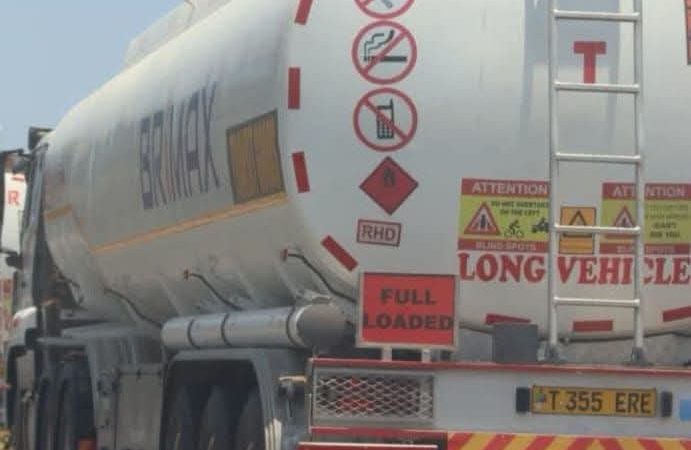
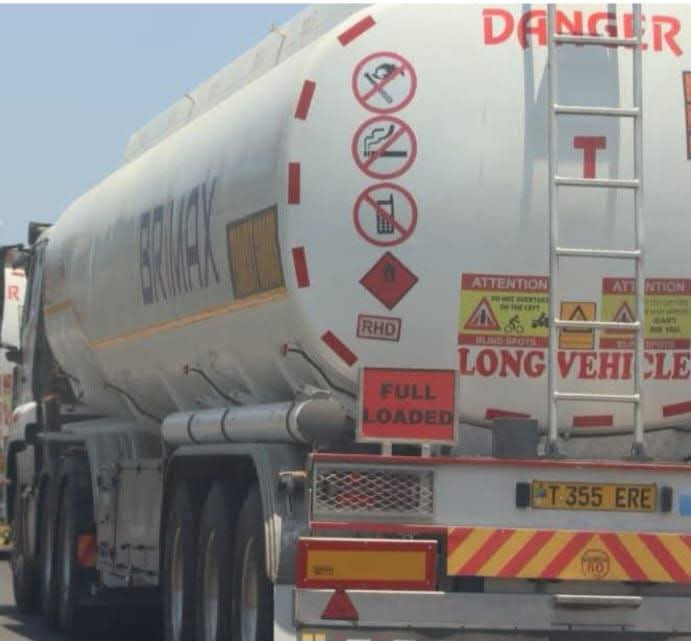
Malawi could see an improvement in fuel availability this week after 287 fuel tankers were lined up to deliver supplies from Tanzania and Mozambique amid ongoing shortages.
The Transporters Association of Malawi (TAM) says 252 tankers have completed loading at the Port of Dar es Salaam in Tanzania, while another 35 are loading at the Port of Beira in Mozambique.
TAM spokesperson Frank Banda said loading resumed after the association appealed to President Peter Mutharika last Thursday to intervene in delays that had left fuel tankers stranded at regional ports for several weeks.
Consumer rights advocate Wazamazama Katatu has welcomed the development but urged the government to establish a reliable fuel supply system to prevent recurring shortages.
Katatu also called on the Malawi Energy Regulatory Authority (MERA) and police to crack down on the illegal sale and hoarding of fuel, which can worsen supply challenges and inconvenience motorists and businesses.
Meanwhile, MERA spokesperson Fitina Khonje attributed the fuel shortages to limited foreign currency, saying Malawi is struggling to meet its import requirements despite fuel being a national priority.
Malawi consumes approximately one million litres each of petrol and diesel daily, placing significant pressure on the country to maintain adequate stocks and ensure consistent distribution.
The expected deliveries could ease the pressure on filling stations if the tankers arrive as planned and the fuel is distributed efficiently across the country.
However, questions remain over whether the deliveries will provide lasting relief or only temporarily ease the shortages.
The government faces growing pressure to address the underlying foreign exchange challenges, improve fuel procurement and strengthen enforcement against illegal fuel trading.
For motorists, transport operators and businesses, the immediate concern is whether the expected supplies will translate into readily available fuel at filling stations and help reduce disruptions to daily activities.