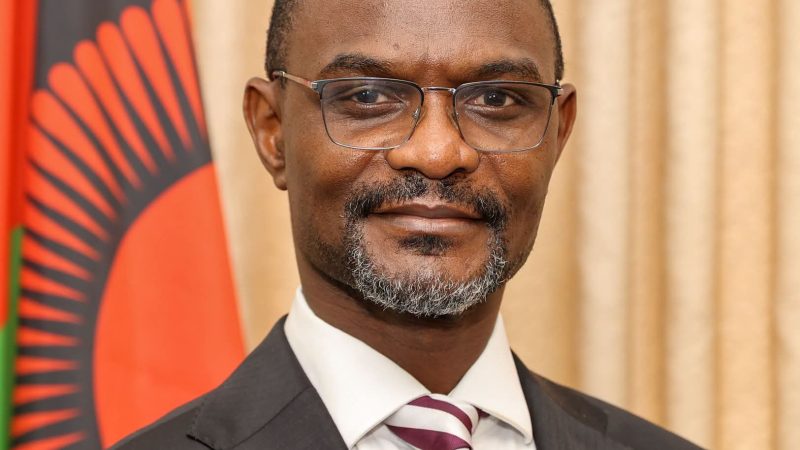

 Suleman Chitera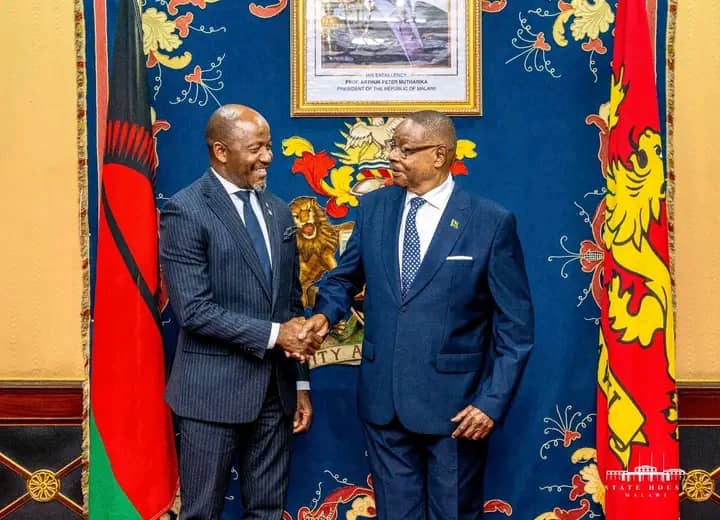
By Suleman Chitera
Lilongwe — September 20, 2026
The Bankers Association of Malawi (BAM) has publicly acknowledged what it describes as encouraging signs of economic recovery under President Professor Arthur Peter Mutharika, pointing to declining inflation and easing interest rates as indicators of improving macroeconomic conditions.
BAM President Phillip Madinga, who met President Mutharika at Kamuzu Palace in Lilongwe, said the banking sector had observed significant movement in key economic indicators since Mutharika returned to power.
According to figures cited by Madinga, Malawi’s annual inflation rate fell from 28.2 percent in August 2025 to 20.0 percent in August 2026, representing an 8.2-percentage-point decline over the period.
The interest rate also declined from 26.0 percent to 24.0 percent during the same period.
Madinga said the developments were among the reasons the association was recognising the direction of the country’s economic management.
“We have commended the President because, since he returned to power, we have seen economic progress. Inflation is going down, and significant strides are being made toward economic recovery,” Madinga said.
The figures are significant in an economy where the cost of borrowing and persistent price increases have remained major concerns for households and businesses.
However, the latest figures also underline that the recovery process is still unfolding. The Reserve Bank of Malawi has maintained its policy rate at 24 percent, while noting that inflation remains substantially above its medium-term objective of 5 percent and that risks to the inflation outlook remain elevated.
Beyond the numbers
The Kamuzu Palace meeting was not limited to an assessment of inflation and interest rates.
President Mutharika said government and the banking industry had agreed to deepen cooperation in sectors considered critical to Malawi’s long-term economic transformation.
Among the areas identified were agriculture, mining, tourism and infrastructure development.
Mutharika described the discussions as fruitful, saying the two sides had agreed to work together to advance economic activity in sectors capable of generating investment, employment and broader economic opportunities.
The engagement places the banking sector at the centre of the government’s wider economic agenda, particularly because commercial banks have a direct role in financing businesses, agriculture, infrastructure and investment.
Banking sector and economic recovery
For the private sector, lower inflation and reduced interest rates can influence the cost of doing business, although the benefits to consumers and companies depend on how sustained the trend becomes and how quickly financing costs respond.
The banking industry has previously highlighted the importance of collaboration between financial institutions, government and other stakeholders in supporting investment and national development.
BAM’s recent banking conference, for example, focused on industrialisation, investment, regional trade, digitalisation and financial innovation as components of Malawi’s economic renewal agenda.
The latest meeting between BAM and the President therefore signals an effort to connect monetary and financial-sector developments with investment in productive sectors of the economy.
The road ahead
While the reduction in inflation represents a notable change from the levels recorded a year earlier, the 20 percent rate means prices are still increasing, only at a slower pace than before.
For Malawians, the more important test will be whether improved macroeconomic indicators translate into sustained reductions in the cost of living, greater access to affordable credit, increased production and stronger investment.
For government and the banking sector, the challenge now is to convert the emerging stability into productive economic activity.
The Mutharika administration’s engagement with BAM comes at a time when agriculture, mining, tourism and infrastructure are being positioned as key drivers of economic growth.
The meeting at Kamuzu Palace has consequently placed emphasis not only on what has changed in the economic indicators, but also on what government and the financial sector intend to do with the emerging opportunity.
For BAM, the message from the meeting was clear: the banking sector is prepared to work with government as Malawi pursues economic recovery and broader private-sector participation.