 Suleman Chitera
Rising global oil prices, disrupted shipping routes and growing fuel shortages are putting pressure on African economies, with Malawi among the countries feeling the effects of the Middle East conflict.
By Suleman Chitera | MFN Reporter
Date: 27 November 2026 | Time: 7:13 AM CAT
Malawi is not alone in facing the growing fuel crisis, as escalating conflict in the Middle East continues to threaten global oil supplies, disrupt international shipping routes and push fuel prices higher across Africa.
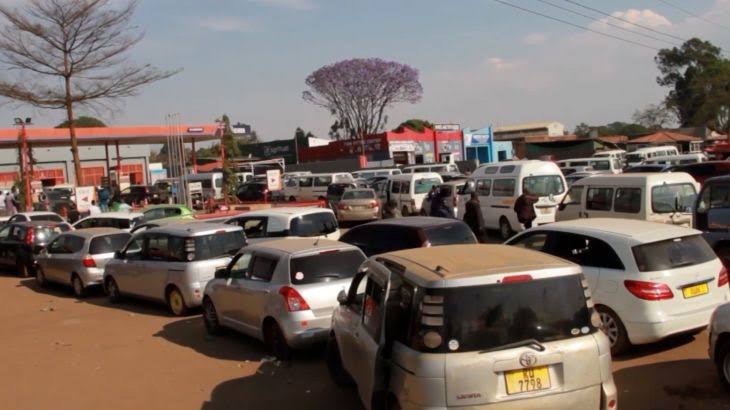
The crisis, which has triggered fuel shortages, long queues at filling stations and rising transportation costs in several African countries, is exposing the continent’s heavy dependence on imported petroleum products.
According to reports by Citizen Digital, a leading Kenyan news platform, countries across East Africa, Central Africa and the Southern African Development Community (SADC) region are experiencing the effects of disruptions to international oil supply chains.
Malawi, which relies heavily on imported fuel, is among the countries exposed to the growing economic pressure.
Middle East conflict disrupts global oil supplies
Citizen Digital reported that the crisis intensified following military attacks launched by the United States and Israel against Iran on February 28 under an operation identified as “Operation Epic Fury”.
Iran subsequently retaliated with ballistic missiles and drone attacks targeting US military installations and allied countries in the Middle East, including the United Arab Emirates, Saudi Arabia, Kuwait, Qatar, Bahrain, Jordan, Oman and Iraq.
The conflict has raised serious concerns about the security of major international oil supply routes, particularly the Strait of Hormuz, one of the world’s most important energy transportation corridors.
Approximately 20 per cent of global petroleum consumption passes through the Strait of Hormuz, making any disruption to shipping through the waterway a major threat to international energy markets.
According to Citizen Digital, threats to commercial shipping in the Strait of Hormuz have disrupted normal maritime operations, while renewed threats by Houthi militants against vessels in the Red Sea have added further uncertainty to international trade.
The Bab el-Mandeb Strait, which connects the Red Sea to the Gulf of Aden, is another critical shipping corridor facing security concerns.
Disruptions to these routes have increased pressure on global oil supplies, contributing to higher petroleum prices and rising transportation costs.
Africa bears the economic consequences
The effects are particularly serious for African countries because many economies depend on petroleum imports to meet domestic fuel demand.
Global oil prices have reportedly surged beyond US$100 per barrel, creating additional pressure on governments already struggling with inflation, foreign exchange shortages and rising public debt.
Kenya, one of East Africa’s largest economies, is also facing the consequences of the crisis.
Kenya’s Treasury Cabinet Secretary, John Mbadi, reportedly warned Parliament that instability in the Middle East could expose African economies to serious petroleum supply disruptions and international price shocks.
He explained that the Middle East remains the continent’s largest external supplier of petroleum products and natural gas.
Mbadi further disclosed that Kenya had approximately 16 days of petrol stocks, 19 days of diesel and 49 days of jet fuel.
He warned that petroleum imports scheduled for May and June could reflect higher international prices, increasing the financial burden on the country.
The situation demonstrates how vulnerable African economies remain to developments in international energy markets.
Shipping disruptions increase fuel costs
Another major concern is the disruption of international shipping routes.
Citizen Digital reported that Kenya’s ports of Mombasa and Lamu, which serve several landlocked countries, could face significant logistical challenges because of disruptions to maritime trade.
The ports are important gateways for countries including Uganda, Rwanda, Burundi, South Sudan, Ethiopia and the Democratic Republic of Congo.
With some vessels avoiding dangerous shipping corridors, ships have been forced to consider longer alternative routes around the Cape of Good Hope in southern Africa.
Such diversions increase sailing distances, fuel consumption, insurance premiums and other transportation expenses.
The additional costs are eventually transferred to importers and consumers, contributing to higher prices for fuel, food, manufactured goods and other essential commodities.
Malawi and its neighbouring countries are also exposed to these international shipping challenges because they depend on imported petroleum products transported through regional ports.
Malawi among countries feeling the pressure
For Malawi, the situation is particularly concerning because the country depends on imported fuel and requires reliable foreign exchange to finance petroleum purchases.
The country receives much of its imported fuel through regional transportation corridors, including Mozambique’s ports of Beira and Nacala, as well as Tanzania’s Dar es Salaam port.
Any disruption to international shipping, increased freight charges or rising oil prices can therefore have direct consequences for Malawi’s fuel import bill.
The country’s existing foreign exchange challenges further complicate the situation, making it difficult for importers to meet international payment obligations when the cost of petroleum rises.
The consequences can extend beyond filling stations to public transport, agriculture, manufacturing, electricity generation and the general cost of living.
When fuel prices increase, transportation and production costs also rise, eventually affecting the prices of goods and services consumed by ordinary Malawians.
Regional shortages raise further concerns
Citizen Digital has also reported growing fuel supply challenges in several African countries, including Mozambique, Ethiopia and Burundi, where shortages and long queues have been reported.
Tanzania has experienced significant fuel price adjustments, while Uganda has also faced challenges affecting petroleum shipments.
These developments highlight the regional nature of the crisis and demonstrate that the effects are not limited to one country or a single economic bloc.
From Nairobi to Addis Ababa, Maputo, Bujumbura, Lilongwe, Lusaka and Harare, African economies remain exposed to the consequences of disruptions in international energy markets.
Understanding the causes of Malawi’s fuel crisis
For Malawians, understanding the international factors behind the fuel crisis is important when assessing the challenges facing the country’s petroleum supply system.
The Middle East conflict, threats to major shipping corridors, rising international oil prices, increased freight and insurance costs, and domestic foreign exchange constraints can all contribute to pressure on fuel availability and prices.Mwanamvekha Assures Malawians of Action to End Fuel Shortages
However, international developments do not remove the responsibility of national authorities to ensure effective fuel procurement, transparent distribution and proper management of domestic supplies.
The government and relevant institutions must continue exploring ways of strengthening strategic fuel reserves, improving foreign exchange availability, diversifying supply routes and ensuring that petroleum importers can access the resources needed to maintain stable supplies.
The crisis also highlights the importance of regional cooperation and long-term strategies to reduce Africa’s dependence on external energy suppliers.
A crisis that requires regional understanding
The unfolding situation is a reminder that Malawi’s economic challenges cannot always be understood in isolation from international developments.Malawi Defies Global Fuel Crisis as Government Reduces Petrol Prices to Protect Citizens
A conflict thousands of kilometres away can affect the price of fuel at a filling station in Lilongwe or Blantyre through disruptions to global supply chains.
While domestic policies and supply management remain important, the international energy crisis has created additional pressure on countries that depend heavily on imported petroleum products.
As the Middle East conflict continues to threaten global energy security, Malawi and other African countries face the difficult task of protecting their economies, maintaining reliable fuel supplies and cushioning citizens against rising living costs.Blantyre Mayor Jomo Osman Urges Prayers as Malawi Fuel Crisis Deepens
The message is clear: Malawi is not alone in this crisis, but the country must strengthen its preparedness to protect consumers and the wider economy from further fuel supply shocks.