 Malawi Freedom Network
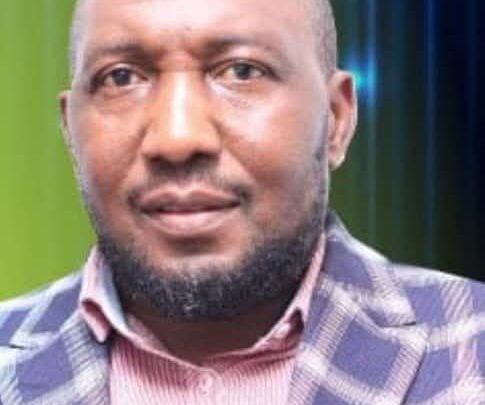
Imran Jumbe says the DPP government risks losing public support if it fails to address challenges facing ordinary citizens.
By Our Reporter
Date: 26 November 2026
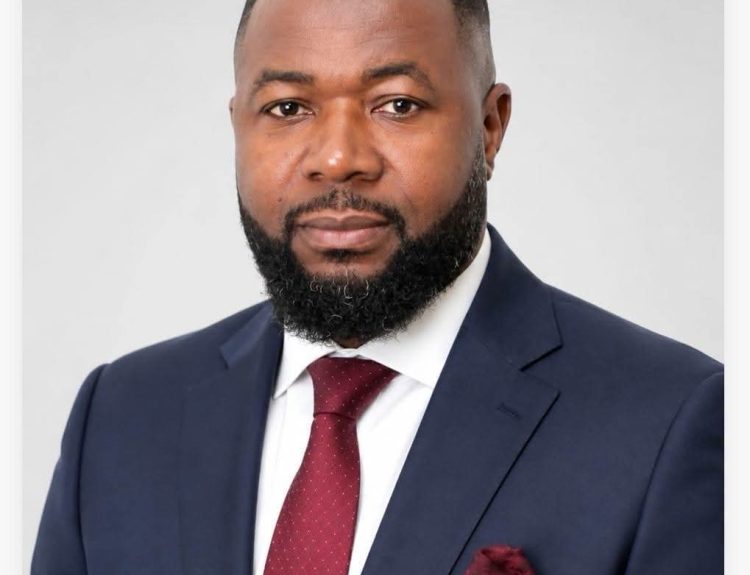
Political commentator and DPP supporter Imran Jumbe has issued a strong warning to the Democratic Progressive Party (DPP) government, urging it to fulfil its campaign promises and urgently address the economic and social challenges facing Malawians.
Jumbe, who says he played a role in helping the DPP secure victory in the elections, argues that Malawians did not support the party to enrich its leaders but to establish a government that would improve people’s lives and address problems experienced under the previous Malawi Congress Party (MCP) administration.
In his warning, Jumbe says the country risks repeating its recent political history if the current administration fails to deliver the changes citizens expected when they voted for the DPP.
“People in Malawi will do to DPP what they did to MCP if things do not change,” Jumbe warns.
He has expressed concern over what he describes as worsening conditions in public hospitals, particularly the reported shortage of essential medicines and medical supplies.
Jumbe cites Mangochi District Hospital, where reports indicate that some patients are being required to purchase water used in administering intravenous medication, commonly known as drips.
He has also pointed to reports from Queen Elizabeth Central Hospital in Blantyre, where patients are allegedly being asked to buy batteries for blood pressure monitoring machines.
According to Jumbe, such situations are unacceptable in a country where citizens expected improvements in public healthcare following a change of government.
He further claims that some patients are being turned away from health facilities and advised to purchase medicines that are unavailable in hospitals.
Beyond the health sector, Jumbe has criticised the government over persistent fuel shortages, saying the DPP administration has yet to provide a lasting solution to the problem.
He has also raised concerns about the rising cost of fertiliser at a time when farmers are preparing for the agricultural season.
Jumbe argues that there is a need for practical measures to ensure that poor and vulnerable farmers can access affordable fertiliser and other essential agricultural inputs.
The shortage of foreign exchange (forex) and what he describes as growing corruption are other issues he believes require urgent government attention.
He says the combined challenges are creating uncertainty and frustration among citizens, adding that the country appears to be moving in the wrong direction.
Jumbe challenges DPP to honour its promises
In his appeal, Jumbe has called on the DPP leadership to wake up and translate its campaign promises into tangible improvements in people’s lives.
He maintains that Malawians did not vote for political speeches and promises alone but expected meaningful changes in their daily living conditions.
Jumbe has also defended the right of people who supported the party to question its leadership and criticise government decisions when things go wrong.
He argues that supporting a political party does not mean remaining silent when public expectations are not being met.
“The people gave you an opportunity and the power to govern this country. Do not disappoint them or destroy their hopes,” he says.
Jumbe’s central message is that political power comes with responsibility and that public confidence must be earned through effective leadership, accountability and service delivery.
He warns that the DPP could face the same political consequences experienced by MCP if it fails to respond to the concerns of ordinary Malawians.
He concludes with a powerful declaration: “My pen is mightier than the sword.”
His message serves as a reminder that political loyalty should not replace accountability and that the ultimate responsibility of any government is to serve the people.
Related coverage: Pastors Challenge Prophets Over Mutharika Health Predictions, Demand Apology | Kabambe Questions President’s Silence Amid Malawi’s Challenges