 Suleman Chitera
By Suleman Chitera, MFN Reporter
November 5, 2026
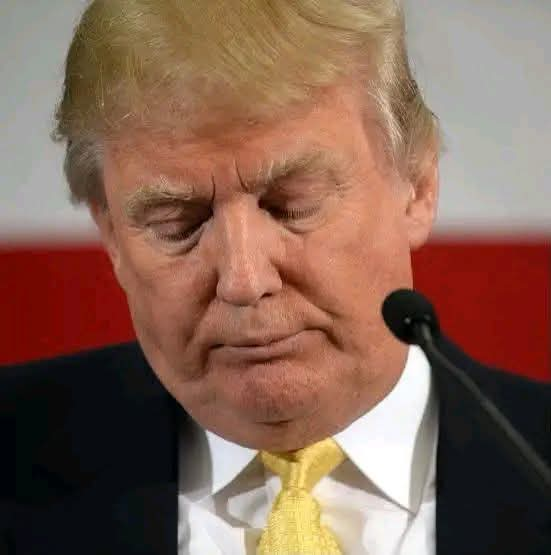
US President Donald Trump is heading into a challenging political period after Democrats secured control of both chambers of Congress in the November 3 midterm elections, a major setback that threatens to complicate his legislative agenda during the remaining years of his presidency.
Although Trump will remain in the White House, the Democratic victory in the House of Representatives and Senate means his administration will face a more powerful opposition capable of scrutinising his decisions, blocking legislation and demanding accountability from his government.
The election marks a significant shift in Washington, ending Republican control of Congress and ushering in a period of divided government.
According to election results reported by the Associated Press, Democrats have won both chambers, giving the party control of the legislative branch for the first time since 2023.
However, the newly elected lawmakers are expected to assume office on January 3, 2027. Until then, the outgoing Congress remains in place.
Trump’s legislative agenda faces obstacles
One of the immediate challenges for Trump will be passing new legislation.
With Democrats controlling both chambers in the incoming Congress, the president will need to negotiate with political opponents to secure support for major legislative proposals.
Democrats will have significant influence over which bills advance, potentially frustrating Trump’s efforts to implement key MAGA campaign promises.
This does not mean Trump loses his constitutional authority to govern. However, his ability to translate political promises into new laws could become considerably more difficult.
Budget and government spending under scrutiny
Congress controls federal spending and plays a central role in approving the national budget.
Democratic lawmakers will therefore have considerable influence over government funding priorities, including spending proposals connected to Trump’s domestic and international agenda.
The president cannot independently appropriate federal money simply because he wants to finance a particular project.
This could force the administration into difficult negotiations over government spending and potentially create fresh budget disputes.
Impeachment investigations could return
Democratic control of the House also opens the possibility of renewed congressional investigations into Trump’s administration.
Lawmakers can conduct investigations, summon witnesses and demand documents as part of their oversight responsibilities.
They could also initiate impeachment proceedings if they believe there are constitutional grounds to do so.
However, impeachment does not automatically remove a president. The House must approve articles of impeachment, while the Senate conducts the trial and requires a two-thirds majority to convict and remove a president.
Judicial and government appointments face new scrutiny
Trump could also encounter difficulties securing confirmation of certain senior government officials and federal judicial nominees.
The Senate has constitutional authority to confirm or reject presidential nominations, including appointments to federal courts and important government positions.
A Democratic-controlled Senate could subject Trump’s nominees to tougher scrutiny and potentially reject controversial candidates.
Foreign policy will require political negotiations
Although the president retains considerable authority over American foreign policy and diplomacy, Congress has important constitutional responsibilities concerning treaties, military funding, trade legislation and other international commitments.
Consequently, Trump’s ability to implement certain major foreign policy initiatives could face additional political and legislative obstacles.
Is Trump becoming a lame-duck president?
The emerging political situation raises questions about whether Trump could become a lame-duck president during the final two years of his second term.
Supreme Court Orders RBM to Pay FBM K300 Billion
A lame-duck president is generally understood as a leader whose political influence or ability to advance an agenda has weakened, particularly when facing an opposition-controlled Congress.
Nevertheless, Trump will retain significant executive powers, including issuing executive orders, directing federal agencies, conducting diplomacy and serving as commander-in-chief.
Executive orders, however, cannot simply replace legislation. They must operate within existing law and remain subject to judicial review.
Balaka Awards K118.9 Million Bursaries to 317 Needy Students
The Democratic victory therefore does not make Trump powerless. Instead, it introduces stronger institutional checks on his presidency.
For Trump, the challenge will be navigating a Congress that is no longer politically aligned with his administration.
For Democrats, the election presents an opportunity to scrutinise presidential decisions, pursue their own legislative priorities and demonstrate that they can govern responsibly.
The next two years could consequently become a defining test of America’s political institutions, its system of checks and balances and Trump’s ability to lead under divided government.