 Suleman Chitera

By Suleman Chitera, MFN Reporter
Minister of Energy Jean Mathanga has urged government ministries, departments and agencies (MDAs) to incorporate electric vehicles into their fleet plans, saying the technology could help Malawi reduce its dependence on imported fuel and ease pressure on foreign exchange reserves.
Mathanga said electric mobility presents an opportunity for the country to address persistent fuel supply challenges while promoting cleaner and more sustainable transport.
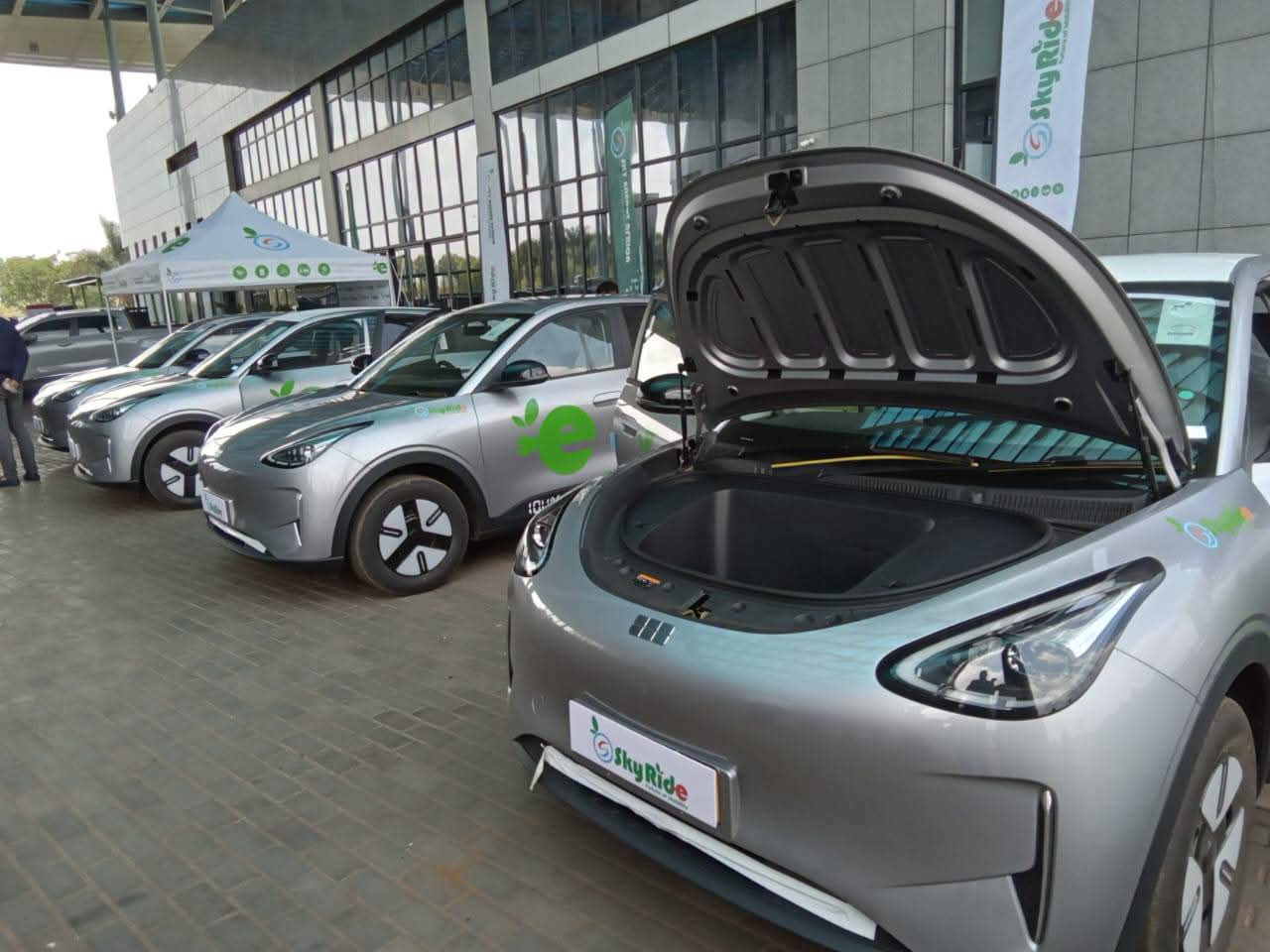
She disclosed that the Ministry of Energy has already procured electric vehicles and motorcycles as part of efforts to demonstrate the government’s commitment to the transition.
The ministry also plans to establish an electric vehicle charging point at Capital Hill in Lilongwe to support the growing use of the technology within government operations.
Mathanga was speaking in Lilongwe during the launch of the Net-Metering Rules and E-Mobility Regulatory Framework, which is expected to provide a regulatory foundation for the adoption of renewable energy and electric transport in Malawi.
She described electric vehicles as a practical option for reducing the country’s exposure to fuel import costs, arguing that wider adoption could help conserve scarce foreign exchange.
Her remarks come as Malawi continues to face fuel supply and foreign exchange constraints, which have affected businesses, public transport operators and households.
For government institutions, the proposed shift could gradually reduce expenditure on conventional fuel, although the transition will require investment in charging infrastructure, reliable electricity supply and vehicle maintenance capacity.
Meanwhile, Sky Energy Africa Managing Director Schizzo Thomson has welcomed the launch of the regulatory framework, describing it as an important milestone in Malawi’s efforts to embrace clean energy and electric mobility.
Thomson, whose company trades in electric vehicles, said the introduction of the framework signals growing government recognition of the role electric transport can play in the country’s energy transition.
Read also Malawi, Egypt Strengthen Education Partnership to Expand Scholarships
He also commended government for introducing a duty-free waiver on the importation of electric vehicles, saying the incentive could encourage more businesses and individuals to consider switching from conventional vehicles.
The removal of import duties is expected to improve the attractiveness of electric vehicles in a market where high upfront purchase costs remain a potential barrier to adoption.
However, the success of Malawi’s electric mobility ambitions will depend on more than tax incentives and policy announcements. The availability of affordable vehicles, accessible charging stations, dependable electricity and technical expertise will be critical to building public confidence in the technology.
Interested Trump Faces New Political Reality as Democrats Take Control of US Congress
The launch of the Net-Metering Rules alongside the E-Mobility Regulatory Framework therefore marks an important step towards connecting Malawi’s renewable energy ambitions with the transport sector.
If effectively implemented, the measures could create opportunities for businesses involved in electric vehicle distribution, charging infrastructure, renewable energy and related services while helping the country reduce its reliance on imported petroleum products.