 Suleman Chitera
By Suleman Chitera | MFN Reporter
Date: 20 November 2026
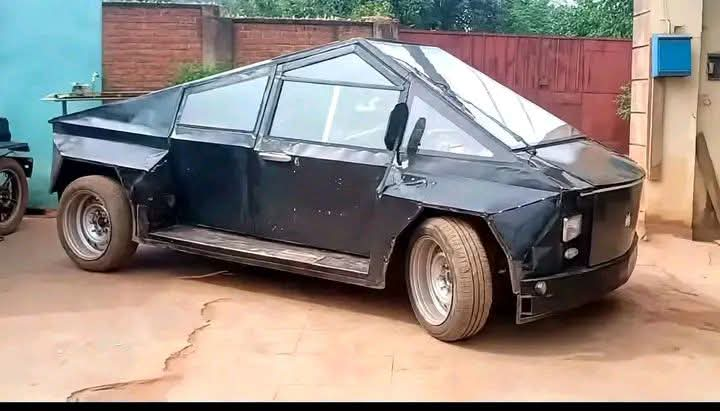
A mechanic from Dedza District, Edward Ngwira, has developed an electric vehicle powered by solar energy in an innovative response to Malawi’s persistent fuel challenges.
Ngwira, who resides in the Airfield area of Dedza, says he designed and built the vehicle to provide an alternative means of transport at a time when motorists across the country continue to face difficulties accessing fuel.
The innovation allows the vehicle to travel between 350 and 400 kilometres, according to Ngwira, potentially reducing dependence on conventional petrol and diesel while helping motorists cut transportation costs.
He says the solar-powered vehicle has helped him save money that would otherwise be spent purchasing fuel, as well as valuable time that many motorists lose while waiting in long queues at filling stations.
Ngwira believes the innovation demonstrates how locally developed technologies can contribute to addressing some of Malawi’s economic and transportation challenges.
Malawi has been experiencing fuel supply challenges, with motorists frequently facing long queues at filling stations. The situation has increased the need for alternative energy solutions that could reduce the country’s dependence on imported petroleum products.
The development of the solar-powered electric vehicle highlights the potential of local innovation in promoting renewable energy, reducing transportation expenses and encouraging technological self-reliance.
WORKING ON A HELICOPTER
Beyond his electric vehicle project, Ngwira has revealed that he is currently working on developing a helicopter.
He says he is optimistic that the helicopter will be completed by the end of next year, marking another ambitious step in his engineering journey.
His helicopter project reflects his continued interest in mechanical innovation and developing locally made technological solutions.
Although further technical details about the helicopter and the electric vehicle have not yet been disclosed, Ngwira’s projects have drawn attention to the potential of home-grown engineering talent in Malawi.
His work also raises broader questions about how local innovators can receive technical support, investment and institutional backing to transform their inventions into commercially viable solutions.
As Malawi continues to explore renewable energy and alternative transportation technologies, innovations such as Ngwira’s could contribute to conversations about the future of sustainable mobility in the country.
Related coverage: Pastors Challenge Prophets Over Mutharika Health Predictions, Demand Apology