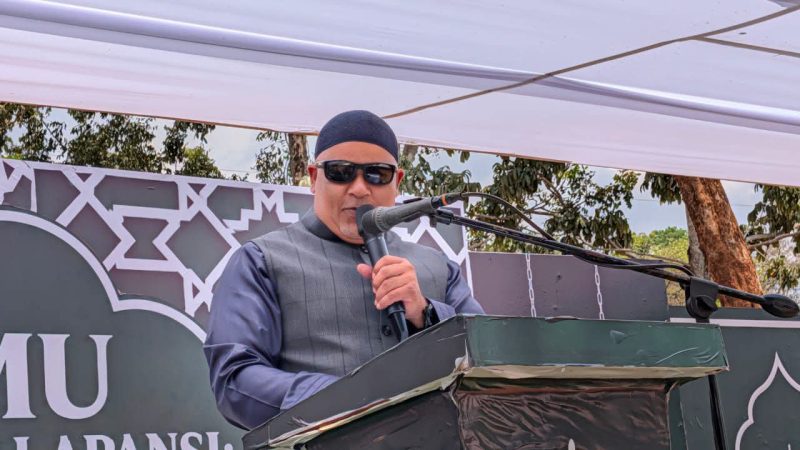

 Suleman Chitera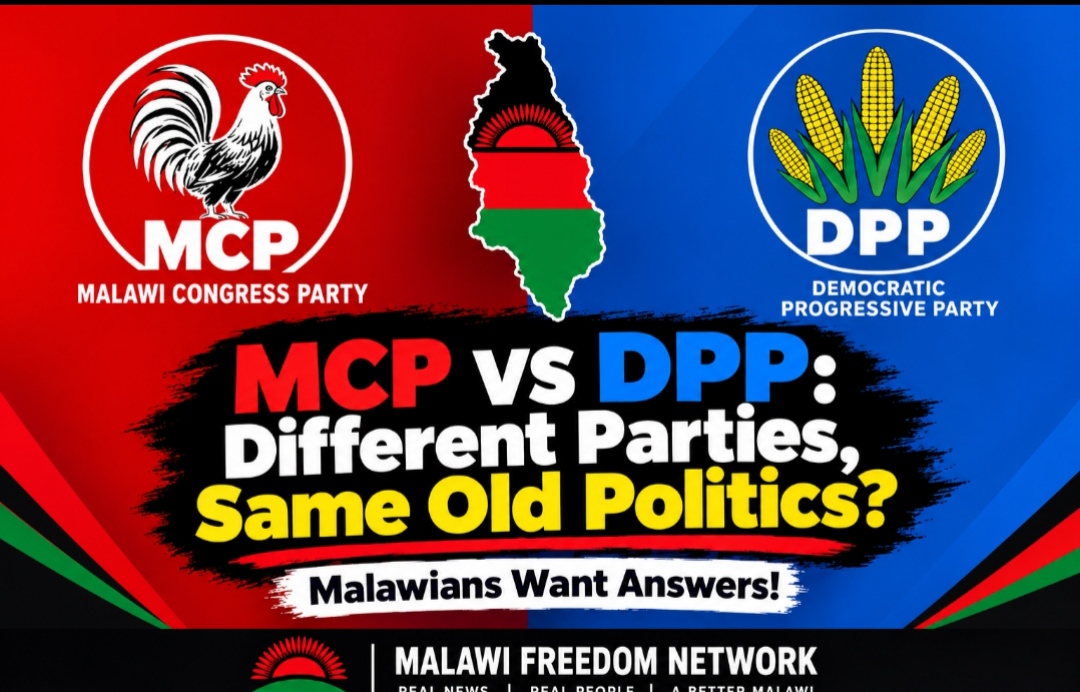
By Mayamiko Mkosi MFN Reporter
Malawi Freedom Network | October 18, 2026
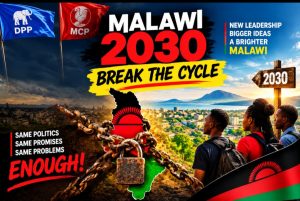
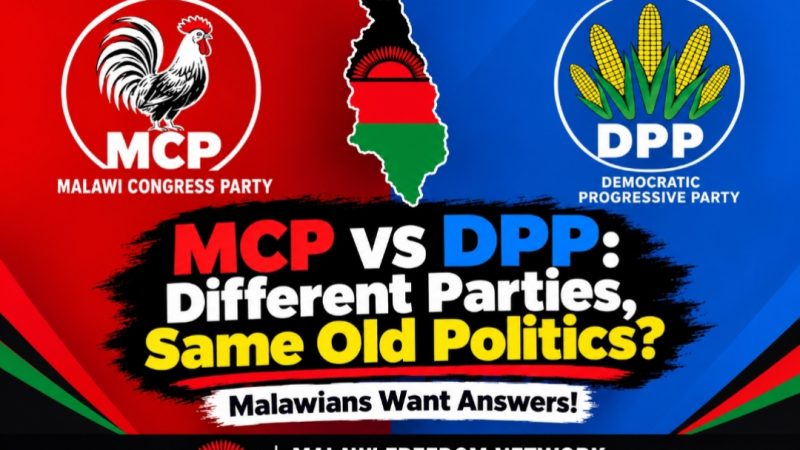
Malawians are increasingly questioning whether changing political parties in government is enough to deliver meaningful change, as concerns grow over whether the Malawi Congress Party (MCP) and the Democratic Progressive Party (DPP) are offering a genuinely different approach to leadership.
A popular Chichewa saying captures the frustration: “Mbuzi ikalawa mchere, imafuna zambiri” — once a goat tastes salt, it wants more.
The saying reflects a broader concern among citizens who believe that political parties often promise change while in opposition but risk repeating the same mistakes once they assume power.
For many Malawians, the central question is no longer simply which party should govern the country, but which leaders can demonstrate a genuine commitment to justice, accountability and national development.
MCP and DPP: Where Is the Difference?
Both MCP and DPP have had opportunities to lead Malawi. Their records, decisions and treatment of public resources remain important considerations for citizens assessing their leadership.
Political parties routinely campaign on promises of economic recovery, job creation, improved public services and the fight against corruption. However, the real test of leadership comes after elections, when campaign promises must be translated into policies and tangible improvements in people’s lives.
Critics of Malawi’s political establishment argue that the country cannot achieve meaningful progress if leaders who condemn certain practices while in opposition end up tolerating similar conduct when they enter government.
This raises a fundamental question: Are political parties committed to changing the system, or are they simply interested in taking control of it?
The answer requires examining each party’s record, including its handling of public funds, respect for democratic institutions, delivery of development projects and willingness to hold its own members accountable.
Malawians Need More Than Political Promises
For ordinary citizens, political debates are not merely about party colours, slogans or personalities. They are about the cost of living, access to healthcare, quality education, employment opportunities, food security and reliable public services.
When families struggle to afford basic necessities, they expect leaders to provide practical solutions rather than political explanations.
Young people want opportunities to build their futures. Farmers need policies that support agricultural production and reliable markets. Workers want wages that reflect the cost of living, while businesses need an environment that encourages investment and job creation.
These concerns should remain central to national political debate, regardless of which party occupies government.
A government should also be judged by how it treats citizens who did not vote for it. Public resources belong to the nation, not to a political party or its supporters.
Is Changing the Ruling Party Enough?
Malawi’s multiparty democracy gives citizens the opportunity to replace leaders through elections. However, changing the party in power does not automatically guarantee improvements in governance.
Meaningful change requires strong institutions, transparent public spending, an independent judiciary, accountable public officials and respect for the rule of law.
Political parties must also demonstrate that they can investigate allegations of wrongdoing involving their own members rather than applying accountability selectively.
Where public officials are accused of misconduct, allegations should be investigated fairly and transparently, with appropriate legal procedures followed.
Without these safeguards, citizens may continue to question whether elections are delivering the leadership standards they expect.
What Kind of Leadership Does Malawi Need?
The debate over MCP and DPP should encourage Malawians to look beyond political affiliations and examine the principles and performance of those seeking public office.
Citizens need leaders who respect democratic institutions, protect public resources, promote equal opportunities and accept criticism without treating political opponents as enemies.
They also need a political culture in which campaign promises can be measured against actual results.
Political accountability should not end when a party wins an election. Instead, it should become even more important once leaders assume responsibility for governing the country.
Opposition parties, civil society organisations, the media and ordinary citizens all have a role to play in scrutinising those in power.
The Big Question for Malawi
The comparison between MCP and DPP raises a question that deserves serious national discussion: if political parties repeatedly promise change but citizens continue to raise concerns about governance, what must be done differently?
The solution may require more than replacing one party with another. It may demand a fundamental shift in political culture, stronger institutions and a public that consistently holds its leaders accountable.
Ultimately, no political party should be above scrutiny, and no leader should be judged solely by promises made during a campaign.
Malawi needs leadership that puts the nation before party interests, public service before personal gain, and justice before political loyalty.
As the country reflects on its political future, one question remains:
If MCP and DPP are accused of repeating similar mistakes, what should Malawians look for when deciding who deserves their trust?
Malawi Freedom Network (MFN) — reporting on the issues that matter to Malawians.