Chiradzulu activist Suleman Chitera takes aim at Sugar giants
By Staff Reporter
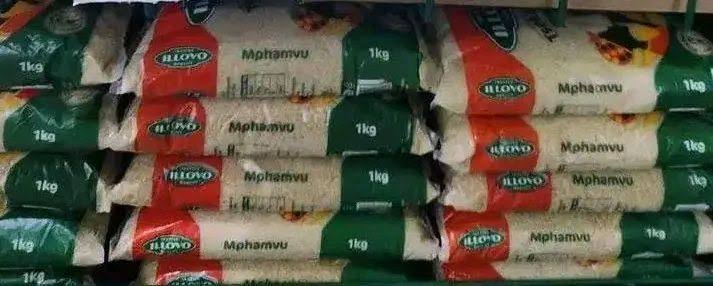
By any economic logic, sugar produced in Malawi should be cheapest on Malawian shelves. Yet the opposite is true. In a growing regional paradox that continues to punish local consumers, Malawian sugar is reportedly selling at significantly lower prices in Zambia than in Malawi itself.

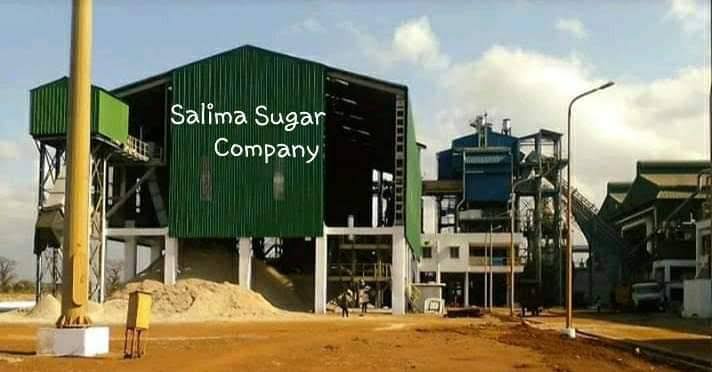
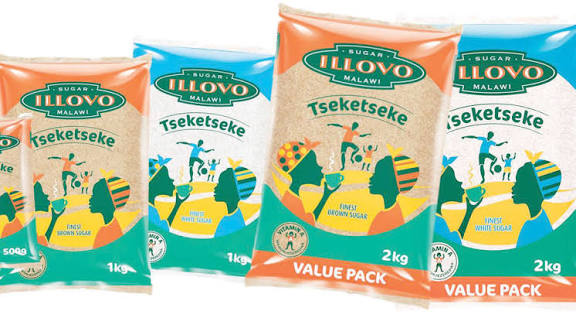
Chiradzulu-based political activist and social commentator Suleman Chitera has now publicly challenged Malawi’s major sugar producers — Illovo Sugar Malawi and Salima Sugar Company — demanding answers and accountability.
A MARKET TURNED UPSIDE DOWN
“The logic is broken,” Chitera argues. “How can sugar produced in Malawi be cheaper in Zambia than in Malawi? Transport costs, border fees, and export logistics should make Zambian sugar more expensive — not cheaper.”
Yet evidence from traders and consumers suggests that Malawian sugar retails at lower prices across the border in Zambia than it does in Malawi, where households are struggling with persistently high food prices amid declining purchasing power.
WHO BENEFITS FROM HIGH DOMESTIC PRICES?
The activist’s criticism goes beyond pricing anomalies. He questions whether domestic consumers are being deliberately disadvantaged to favor export markets where companies earn foreign currency.
“If Malawians are paying more so that companies can sell cheaply abroad, then that is exploitation,” Chitera says. “Sugar is not a luxury product. It is a basic household commodity.”
Economists note that while export incentives, currency dynamics, and contractual obligations can influence pricing, none sufficiently justify a scenario where citizens in the producing country pay more than foreign consumers.
CALL FOR A FULL INVESTIGATION
Chitera is now calling on Illovo and Salima Sugar to conduct and publish transparent investigations into their pricing structures. He wants government regulators, competition authorities, and parliamentary committees to intervene.
“Malawi should not be subsidising Zambia’s sugar prices while our own people suffer,” he says. “If companies can sell sugar cheaply in Zambia, then they can — and must — make it affordable in Malawi.”
SILENCE FROM THE PRODUCERS
So far, neither Illovo Sugar Malawi nor Salima Sugar Company has issued a detailed public explanation addressing the price disparities. Their silence is fueling public suspicion and anger, particularly at a time when food affordability has become a national crisis.
A BROADER QUESTION OF ECONOMIC JUSTICE
At its core, this is not just about sugar. It is about economic fairness, corporate responsibility, and the role of producers in a country where consumers have limited alternatives.
As pressure mounts, one question remains unavoidable:
Why is Malawi exporting cheap sugar while its own citizens pay a premium?
Until clear answers emerge, the bitterness surrounding Malawi’s sugar industry may prove harder to swallow than the product itself.