By Mawa Kumaliopa
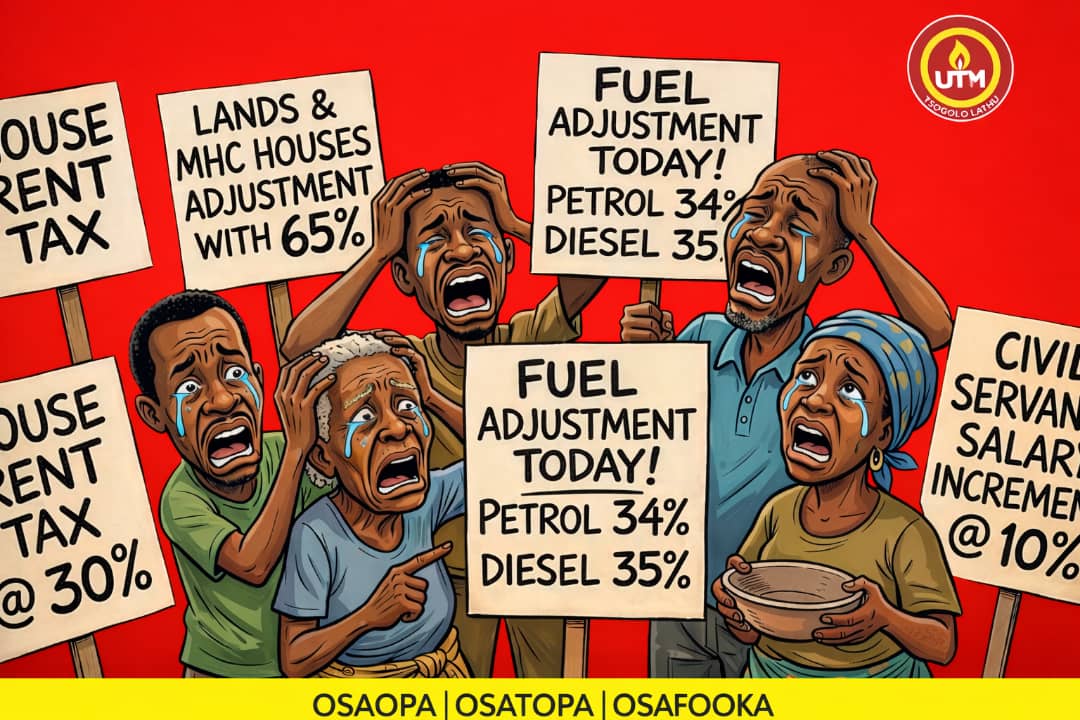
Malawi’s economic trajectory continues to raise serious concern among citizens and analysts alike, as rising costs of living tighten the grip on both low-income households and the working class. Across the country, frustration is mounting over escalating fuel prices, increased taxation, and the surging cost of essential goods—factors that collectively paint a bleak picture of daily life in Malawi.
In recent months, the economic strain has become more pronounced. Basic commodities are increasingly unaffordable, while stagnant wages have left many struggling to maintain even a modest standard of living. Critics argue that current fiscal policies have disproportionately burdened ordinary Malawians, pushing the country toward what some describe as an “unlivable” environment.
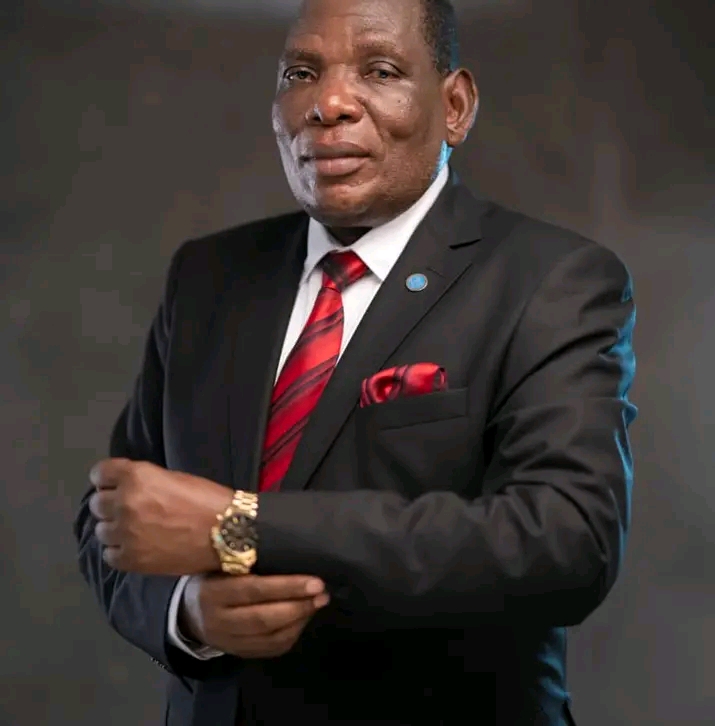
Amid this turmoil, Dr Dalitso Kabambe has re-emerged as a central political voice, positioning himself and his party, UTM, as a viable alternative to the current leadership. Kabambe, who previously warned against supporting both DPP and MCP, is now leveraging the ongoing economic hardship to reinforce his message.
Supporters of UTM argue that the current administration has failed to stabilize the economy or shield citizens from global and domestic shocks. They claim that policy missteps have worsened inflationary pressures and weakened the purchasing power of the average Malawian. As a result, Kabambe’s camp is intensifying its outreach, promising economic reforms aimed at restoring stability, controlling inflation, and easing the tax burden.
Political observers note a growing sentiment among sections of the electorate who feel disillusioned by past voting decisions. There is an emerging narrative that the economic difficulties being experienced today are a direct consequence of leadership choices made at the ballot box.
UTM’s messaging is clear: it seeks to present itself not just as an opposition force, but as a “breathing system”—a lifeline capable of reversing the country’s economic decline. However, analysts caution that while political rhetoric may resonate with a struggling population, the real test lies in presenting credible, actionable policies that can withstand scrutiny.
As Malawi edges closer to future electoral cycles, the economic crisis is likely to remain the defining issue. Whether UTM and Dr Dalitso Kabambe can convert public frustration into political capital will depend not only on criticism of past governance but on the strength and feasibility of their proposed solutions.
For now, Malawians continue to navigate a harsh economic reality—one that is rapidly reshaping the country’s political landscape.