










MAKE OR BREAK: Islamabad Hosts High-Stakes US–Iran Peace Talks Amid Middle East Conflict
By Suleman Chitera
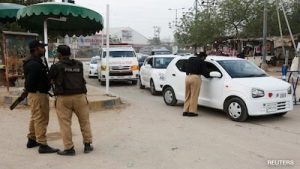
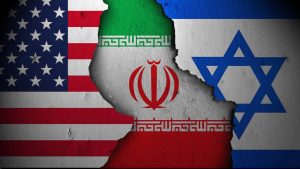
Islamabad is set to become the center of global diplomacy this weekend as Shehbaz Sharif announces critical ceasefire talks between the United States and Iran—talks he describes as a “make or break” moment in efforts to halt the escalating Middle East conflict.
Addressing the nation late Friday, Sharif confirmed that senior leadership from both Tehran and Washington had accepted his invitation to participate in negotiations scheduled to begin Saturday in Pakistan’s capital.
“In response to my sincere invitation, the leaderships of both countries are coming to Islamabad. There, negotiations will be held for the establishment of peace,” Sharif declared.
The diplomatic push comes after weeks of intensifying hostilities across the Middle East, raising fears of a broader regional war with global economic and security implications.
High-Level Delegations Expected
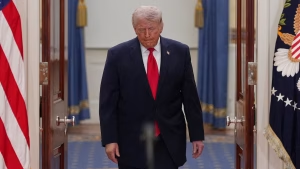
Among the key figures en route is JD Vance, signaling Washington’s seriousness about the talks. His presence elevates the negotiations to one of the most significant diplomatic engagements between the US and Iran in recent years.
Iran Grants Safe Passage to South African Vessels Amid Strait of Hormuz Tensions
While Iran has not publicly confirmed the exact composition of its delegation, officials in Tehran have indicated that participation hinges on certain preconditions being met—injecting uncertainty into what is already a fragile process.
Read also: Cholera outbreak in Northern Malawi: 94 cases reported in Karonga and Chitipa
Read also: $29.9 Million Passport Deal Under Fire as CDEDI Demands Full Disclosure
Read also: Chizuma Leaked Audio Issue Goes To Parliament
Tehran’s Conditions Cast Doubt
Iranian authorities have emphasized that negotiations cannot proceed unconditionally. Though specific demands have not been fully disclosed, analysts suggest they may include guarantees on sanctions relief, cessation of hostilities involving allied groups, or recognition of regional security concerns.
These conditions could complicate early progress and risk delaying or even derailing the talks before they fully begin.
A Region on Edge
The urgency surrounding the Islamabad summit reflects the deteriorating situation across the Middle East, where continued clashes have strained diplomatic channels and heightened tensions among global powers.
Sharif’s intervention positions Pakistan as a neutral mediator attempting to bridge one of the world’s most entrenched geopolitical divides. If successful, the talks could pave the way for a broader ceasefire framework and potentially reset relations between Washington and Tehran.
Global Stakes
The outcome of these negotiations carries immense global significance. A breakthrough could stabilize energy markets, ease regional insecurity, and reduce the risk of a wider conflict. Failure, however, may deepen divisions and prolong violence with far-reaching consequences.
For now, all eyes are on Islamabad—where diplomacy faces its toughest test yet.
Read also: Turkish investors eye Lilongwe trash gold mine in power deal
Read also: Youth in Dedza Urged to Lead Voter Registration Campaigns for Upcoming Elections