Thousands of Malawians dreaming of studying, working, doing business, or seeking medical treatment in the United States could soon face higher costs and tougher hurdles if the U.S. government proceeds with plans to drastically reduce the number of embassies that process visas.
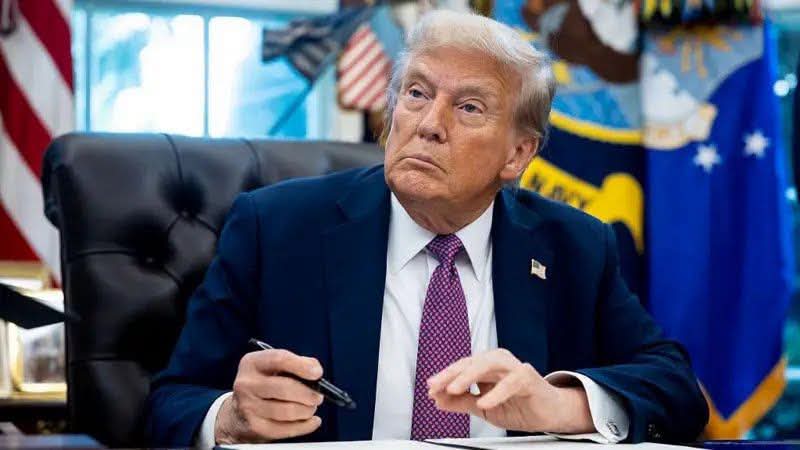
The proposed changes, reportedly approved by U.S. Secretary of State Marco Rubio, would cut the number of visa-processing embassies worldwide from 50 to just 20, raising concerns among travelers and governments across Africa.
If implemented, Malawians seeking U.S. visas may no longer be able to complete the process within the region as easily as before. Instead, applicants could be forced to travel to designated countries such as South Africa, Kenya, or Ghana for interviews and other visa requirements.Investigative Report: How Nir Ges Obtained a Diplomatic Passport in Malawi
The move is expected to significantly increase the financial burden on applicants, who would need to cover additional expenses including flights, accommodation, transportation, and visa processing costs.
For many young Malawians hoping to pursue higher education in the United States, the proposed restrictions could place their ambitions further out of reach. Business people looking to establish international partnerships and families hoping to visit relatives abroad may also be affected.Trump Signals Possible U.S. Exit from NATO Amid Iran Tensions
Washington says the proposal is part of broader efforts to improve efficiency in government spending while strengthening national security and immigration controls.
The development comes at a time when the United States has already introduced stricter entry measures affecting several countries, including Malawi. Among them is a requirement for certain travelers to provide a security bond of up to US$15,000 (about K26 million) before entering the country.US Launches Fresh Strikes on Iran as Strait of Hormuz Crisis Deepens
Speaking during celebrations marking the 250th anniversary of American independence, Malawi’s Minister of Foreign Affairs, George Chaponda, acknowledged the growing concerns surrounding the new policies.
Chaponda said the tightening of visa and immigration requirements is making it increasingly difficult for Malawians seeking educational opportunities, medical services, business ventures, and other opportunities in the United States.
However, he emphasized that the United States has the sovereign right to determine who enters its territory and that Malawi must respect America’s immigration laws and policies.
As uncertainty grows over the future of U.S. visa access, many Malawians will be watching closely. If the proposed embassy closures are implemented, the journey to America may become longer, more expensive, and more challenging than ever before.