

By Suleman Chitera
Malawi risks falling significantly short of its long-term development ambitions unless urgent improvements are made in policy implementation, coordination, and accountability, the National Planning Commission (NPC) has warned.
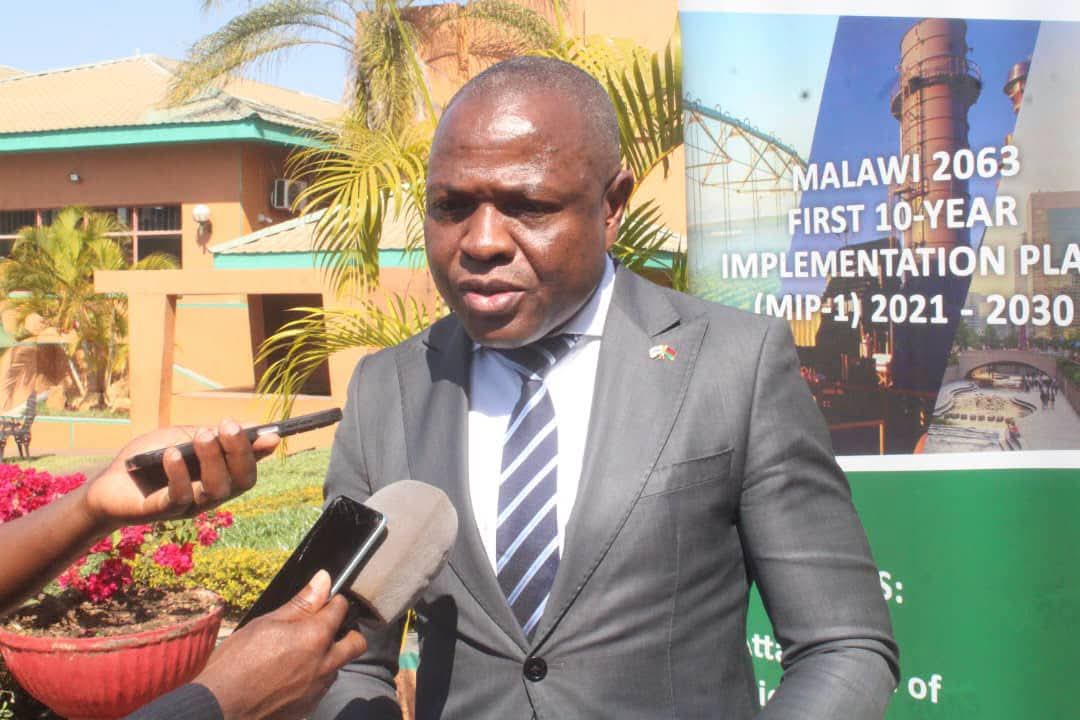
NPC Director General Frederick Changaya raised the concern after presenting the Mid-Term Review of the First Malawi Vision 2063 Implementation Plan in Lilongwe on Thursday, noting that while the country has registered progress in selected sectors, overall performance remains off track—particularly in economic growth.We Can’t Wait For 2063–Muluzi
Changaya said Malawi had set an ambitious target of achieving an average annual economic growth rate of 6.4 percent, a level considered necessary to transition the country to lower-middle-income status by 2030. However, he observed that the economy has grown by only about two percent on average over the past five years, creating a widening gap between national aspirations and actual performance.
He attributed the underperformance to persistent structural challenges, including weak policy implementation mechanisms, inadequate financing for development programmes, and poor coordination among key development actors.Chakwera Launches MWK 2 Billion Youth Innovation Fund to Power Vision 2063
According to the review, these systemic weaknesses continue to undermine the effective execution of priority interventions under Malawi Vision 2063, the country’s long-term development blueprint aimed at transforming Malawi into a wealthy, self-reliant, and industrialised upper-middle-income economy.
The findings suggest that despite the existence of comprehensive policy frameworks, implementation bottlenecks remain a major constraint, limiting the pace at which planned development outcomes are being realised.
Meanwhile, Council for Non-Governmental Organisations in Malawi (CONGOMA) Executive Director Ronald Mtonga has echoed concerns over coordination gaps, calling for stronger collaboration between government Ministries, Departments and Agencies (MDAs) and non-state actors.Chakwera Launches Youth Innovation Fund to Drive Malawi 2063 Vision
Mtonga emphasised that partnerships between government and civil society organisations are critical for accelerating the implementation of Malawi Vision 2063. He noted that effective collaboration could improve efficiency, enhance resource mobilisation, and ensure that development programmes deliver tangible and sustainable results for communities.
He further stressed that non-state actors play a vital role in complementing government efforts, particularly in areas such as service delivery, advocacy, and community-based development initiatives.NGORA Urges Nsanje NGOs to Align With Malawi 2063 for Greater Community Impact
As Malawi continues its push towards long-term development transformation, both NPC and civil society stakeholders agree that strengthening implementation systems, improving coordination, and ensuring accountability will be decisive factors in determining whether the country achieves its Vision 2063 goals on time.

Leave a Reply