 Malawi Freedom Network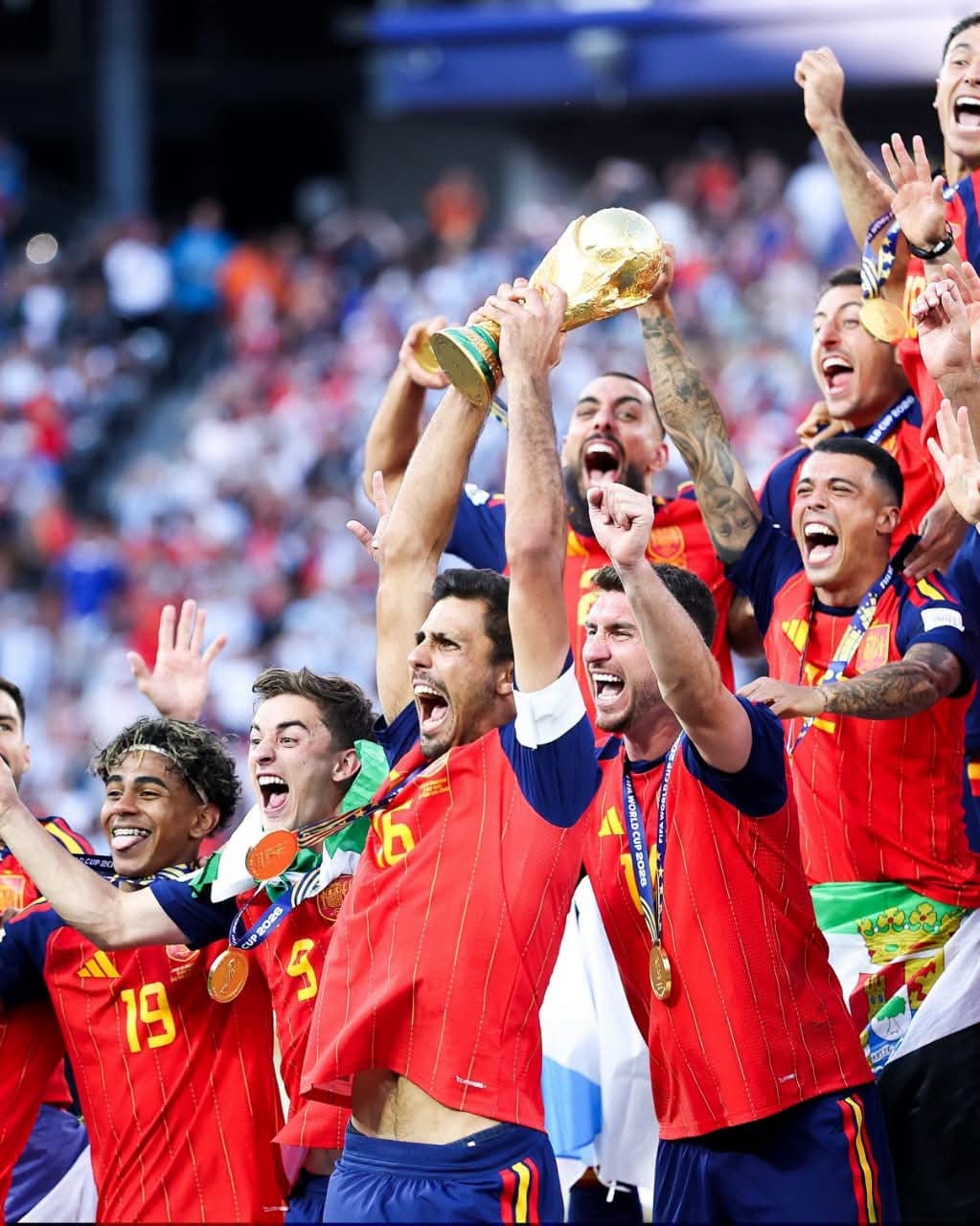
By Suleman Chitera
Football often crowns its champions with fireworks, dramatic scorelines and unforgettable spectacles. But on a tense night in the 2026 FIFA World Cup final, Spain needed only one moment of perfection to climb back to the summit of world football.
After 120 minutes of tactical discipline, relentless patience and unwavering belief, Ferran Torres etched his name into Spanish football folklore by scoring the decisive goal in extra time to hand La Roja a 1-0 victory over Argentina and secure the nation’s second FIFA World Cup title.Creck Sporting, Blue Eagles Share Spoils in TNM Super League Clash at Aubrey Dimba Stadium
It was not merely a victory. It was the completion of a football revolution built on intelligence rather than intimidation, teamwork instead of individual brilliance, and calmness under the greatest pressure imaginable.
For much of the evening, Argentina fought with the resilience that had carried them throughout the tournament. Lionel Messi, the man who had inspired countless miracles over two decades, searched relentlessly for one final masterpiece on football’s biggest stage. Every touch from the Argentine captain drew anticipation, every forward run carried the weight of millions of dreams.Corrupt Asian businessman Abdul Karim Batatawala captures Chakwera’s State House
But football can be wonderfully unforgiving.
Spain refused to be overwhelmed by history or reputation. Their defensive organization denied Argentina space between the lines, while their midfield patiently controlled possession without forcing opportunities that were not there. Rather than chasing the game emotionally, Spain trusted the identity they had refined throughout the tournament.
As the final entered extra time and fatigue began to consume both sides, one opening finally appeared.MEET MUSTAK CHOTIA: The Mafia behind the kidnapping of Malawians of Asian Origin
Ferran Torres found himself in the right place at precisely the right moment. Showing remarkable composure under immense pressure, the Spanish forward calmly converted the opportunity that ultimately separated the two giants of world football.
The goal unleashed celebrations among the Spanish supporters while silence swept across the Argentine faithful, who understood how precious and perhaps irreversible the moment had become.
Argentina pushed desperately in the closing stages, throwing numbers forward in search of an equaliser that would keep their hopes alive. Messi continued fighting until the final whistle, attempting to inspire one last comeback, but Spain’s disciplined defence held firm.Mustaq Chotia Implicates Mr Dipak Jevant mastermind kidnapping Shayona Boss
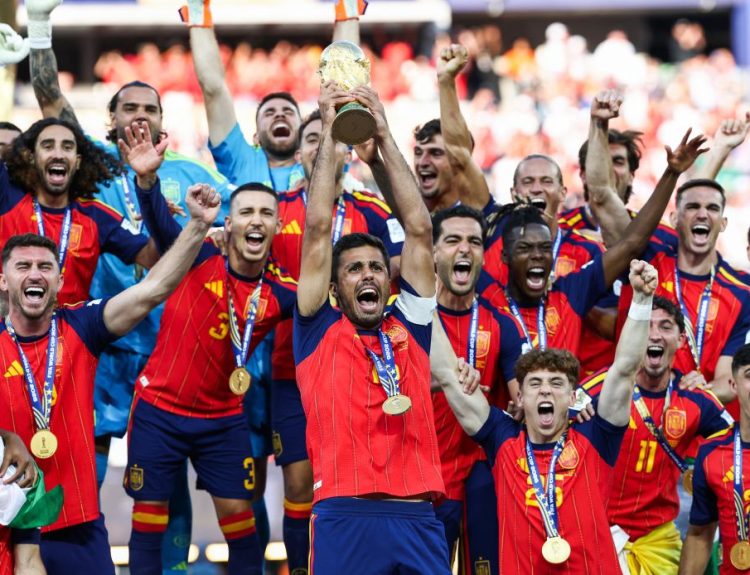
When the referee ended the contest, jubilation erupted across the Spanish camp.
Players collapsed onto the pitch in celebration, coaches embraced, and thousands of supporters inside the stadium sang in unison as Spain reclaimed football’s ultimate prize.
Their journey to the championship reflected consistency rather than chaos. Spain eliminated Portugal, overcame a dangerous Belgium side, defeated France in the semi-finals and finally conquered Argentina in the final. At every stage they demonstrated tactical maturity, defensive resilience and clinical efficiency.
The triumph also symbolised the arrival of a new generation capable of carrying Spain’s rich football tradition into a new era. Unlike the legendary squad that dominated world football between 2008 and 2012, this team forged its own identity—less focused on endless possession and more balanced between creativity, defensive discipline and attacking efficiency.Embattled MAPETO Executives Tax Invasion Case’ Delay Irks Malawi Civil Right Groups
For Argentina, the defeat was heartbreaking.
The Albiceleste had entered the tournament carrying enormous expectations after years of success under Messi’s leadership. They produced memorable performances on their path to the final and once again proved why they remain among football’s global powerhouses.
Yet the final exposed football’s harshest reality: dominating a tournament guarantees nothing when everything depends on a single match.
Attention naturally shifted to Lionel Messi, whose emotional reaction after the final whistle captured the magnitude of the occasion. While the 2026 World Cup may prove to be the final chapter of his remarkable international career, his legacy extends far beyond one result.Batatawala Wanted as Police Probe Multi-Million Property Transfer Scam Allegations
He leaves behind a generation inspired by his extraordinary talent, unmatched consistency and unwavering commitment to Argentina. From lifting the 2022 World Cup to reaching another final four years later, Messi’s influence on world football remains beyond debate.
Ironically, the final became less about the passing of one legend and more about the emergence of a collective.
Spain did not rely on one superstar to conquer the world. Instead, they demonstrated that modern football increasingly rewards organisation, unity and tactical intelligence above individual heroics.State Capture, Corrupt Kingpin Moshin Mussa Controls State All Levels On Corrupt Practices
History will remember Ferran Torres as the scorer of the winning goal. It will remember Spain as deserving champions. And it will remember the 2026 FIFA World Cup final as the night when one carefully crafted attack changed football history, while one of the game’s greatest icons walked away with his head held high despite the pain of defeat.
For Spain, a new golden chapter has begun.
For Argentina, the dream ended just one goal short.
And for football, another unforgettable story has been written.Investigative Report: How Nir Ges Obtained a Diplomatic Passport in Malawi