 Malawi Freedom Network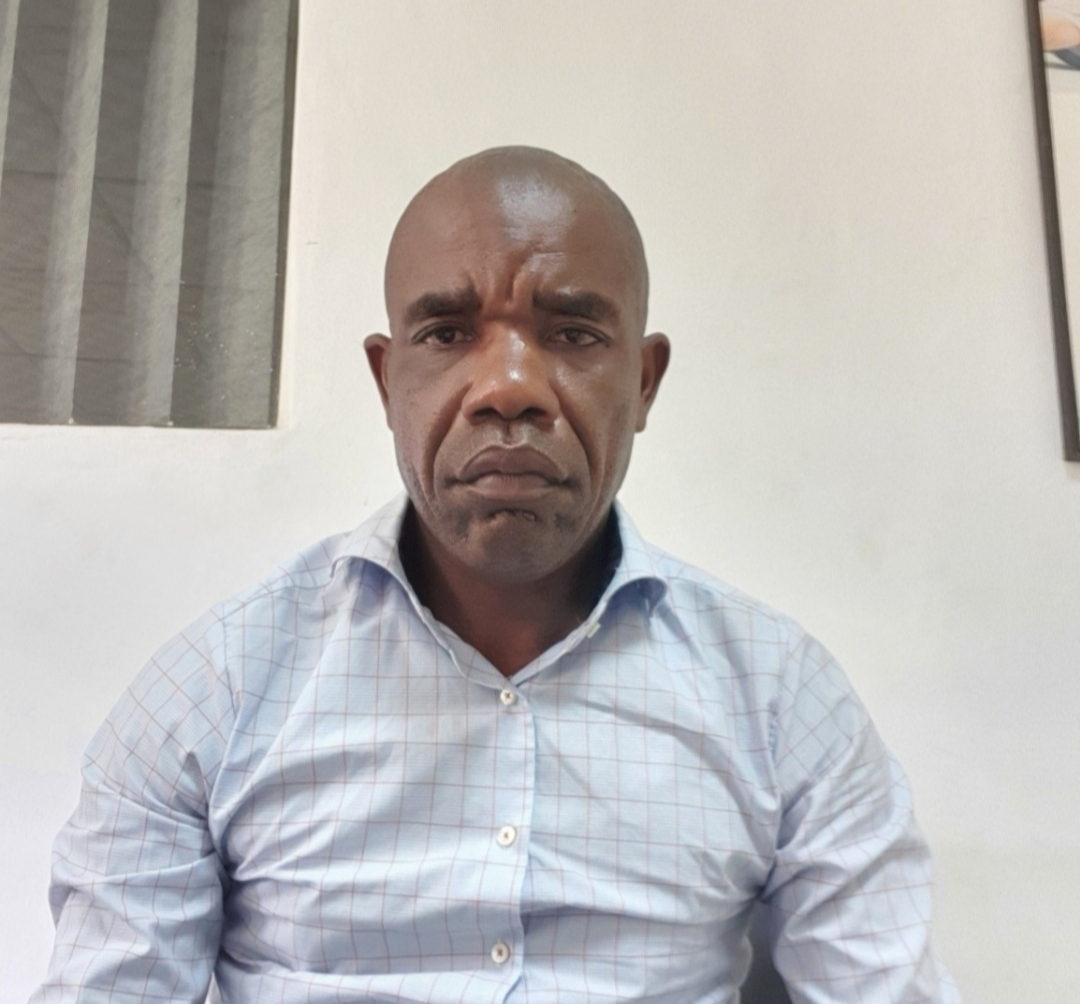
By Staff Reporter
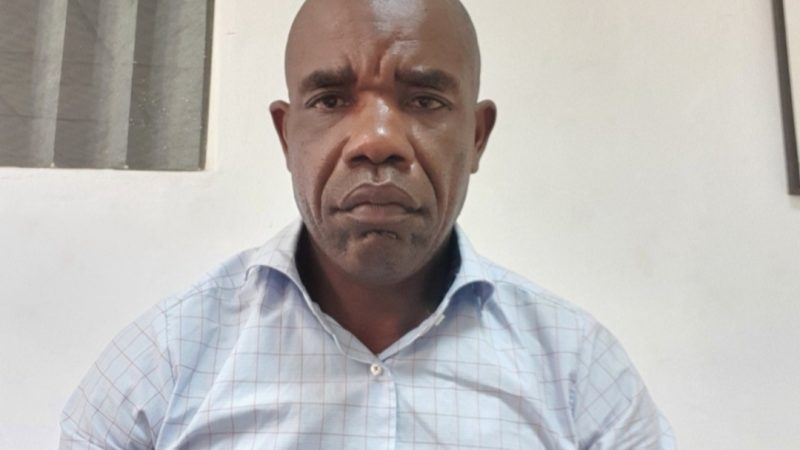
A Chiradzulu-based activist and political commentator Suleman Atupele Chitera has called for an independent investigation into the loss of 70 metric tonnes of maize that reportedly rotted at an ADMARC storage facility in Liwonde, saying those responsible must be held accountable.
Suleman Chitera made the remarks following confirmation by ADMARC that the maize deteriorated while in storage at its Liwonde depot in Machinga District. The development has sparked public concern, with many questioning how such a significant quantity of a staple food could be lost at a time when Malawi has recently faced recurring food insecurity.
Must read Suleman Chitera Hails Mutharika for Transparent Diplomatic Appointments
According to ADMARC Chief Executive Officer Ben Botolo, the spoiled maize amounts to 70 metric tonnes. He said the maize is no longer suitable for human consumption and will instead be sold to livestock farmers for use as animal feed to minimise financial losses.
The disclosure has reignited debate over the management of strategic food stocks and the need for stronger oversight in public institutions responsible for handling essential commodities.
Reacting to the development, Chitera described the loss as deeply troubling, arguing that it comes against the backdrop of a period in which many Malawians struggled to access adequate food. He said communities across the country experienced severe hardship during the food crisis, with reports indicating that some people lost their lives due to hunger-related challenges.
“It is difficult for citizens to understand how such a large quantity of maize could be allowed to rot while thousands of households were desperately searching for food,” Chitera said.
Rrlated stories ADMARC Confirms 70 Metric Tonnes of Maize rot at Liwonde Depot
He called on the government to launch a comprehensive investigation to establish the circumstances that led to the maize deteriorating in storage. According to Chitera, the inquiry should determine whether there was negligence, poor warehouse management, inadequate monitoring or any other failures within the institution.
“The public deserves answers. Taxpayers have a right to know what happened and who bears responsibility for this loss,” he said.
Chitera further urged authorities to ensure that any officials found to have neglected their duties are held accountable in accordance with the law and public service regulations.
“If investigations establish that officers failed to carry out their responsibilities, appropriate disciplinary action should be taken. Accountability is essential if public confidence in state institutions is to be restored,” he added.
Also Chiradzulu-Based Youth Activist Suleman Atupele Chitera Faults NEEF Over Elite Loan Abuse
The incident has also prompted wider questions about food storage systems and quality control measures within ADMARC facilities. Agriculture and food security experts have previously stressed that proper storage conditions, regular inspections and timely stock rotation are critical in preventing post-harvest losses, particularly for strategic food reserves.
Public institutions entrusted with managing food stocks are expected to maintain high standards to protect both public resources and national food security. Any losses, observers say, not only have financial implications but also affect efforts to ensure food availability during periods of scarcity.
ADMARC has indicated that the damaged maize will be disposed of through sale to livestock farmers rather than being supplied for human consumption, a move intended to recover part of its value while ensuring public health is not compromised.
Also Pakistani Businessman’s Postmortem Report to Be Used as Evidence in Murder Trial
However, the revelation has intensified calls for greater transparency in the management of grain reserves. Stakeholders argue that investigations should not only identify responsibility for the incident but also recommend reforms to strengthen storage management, improve monitoring systems and prevent similar losses in the future.
As public debate continues, attention is now turning to whether the government will institute an independent inquiry into the matter and what measures will be introduced to safeguard strategic food stocks. The outcome of any investigation is expected to be closely watched by citizens, civil society organisations and policymakers seeking greater accountability in the management of public resources.
Dont skip Lobin Lowe Implicated in Fertilizer ‘Butchery’ Scandal