By Kumaliopa Mawa
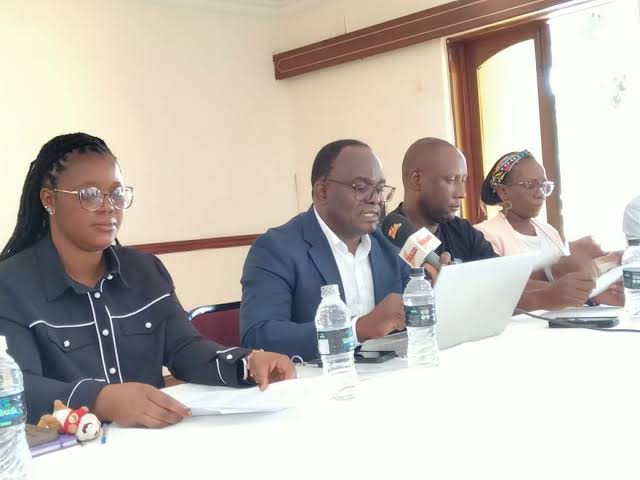
The narrative around Malawi’s ballooning debt is no longer just an economic issue—it is a question of accountability, credibility, and selective activism. The so-called defenders of democracy, Human Rights Defenders Coalition (HRDC), now find themselves under intense public scrutiny as Malawians begin to connect the dots.
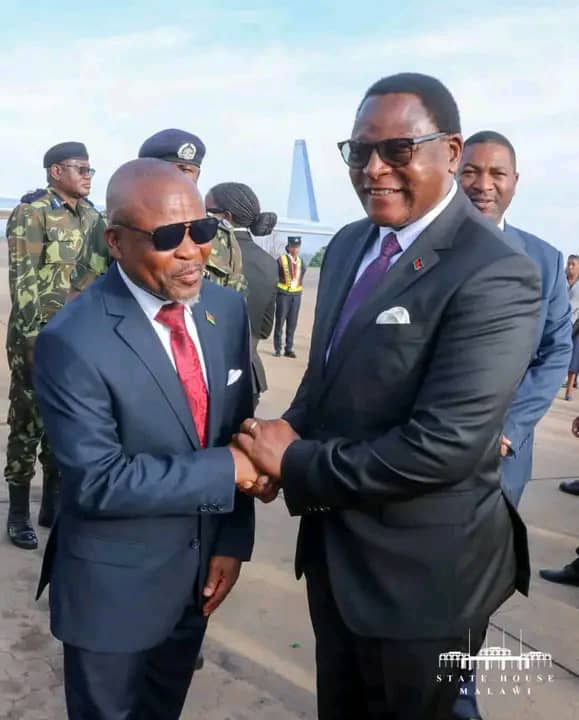
For five years under the administration of Lazarus Chakwera and the Malawi Congress Party, the country has witnessed a staggering economic decline—marked by skyrocketing debt reportedly reaching K21 trillion, persistent inflation, and widespread hardship. Yet, during this period of economic strain, HRDC’s voice was either muted or conspicuously absent.
Where was HRDC when ordinary Malawians were reduced to surviving on chitedze—a symbol of desperation and food insecurity? Where was their urgency when corruption allegations flooded the corridors of power, and public resources were allegedly looted with impunity? Where was their activism when the very citizens they claim to defend were grappling with hunger, joblessness, and collapsing public services?
Instead, what Malawians observed was a pattern of selective outrage. HRDC appeared energized only when it aligned with a political agenda—raising serious concerns about whether the organization operates independently or as an extension of partisan interests. This perceived alignment has eroded public trust and fueled accusations that HRDC was complicit, whether directly or indirectly, in enabling an environment where economic mismanagement could thrive unchecked.
The K21 trillion debt scandal—if fully scrutinized—demands answers from all stakeholders. It is not enough for HRDC to re-emerge now, attempting to reclaim moral authority. Malawians are asking hard questions: Did silence during critical moments amount to endorsement? Did inaction create space for systemic plunder?
This is not merely about political rivalry; it is about national survival. Civil society organizations carry the burden of being watchdogs—not spectators who choose when to bark and when to sleep. If HRDC failed to hold the Malawi Congress Party administration accountable during its most controversial moments, then it must now answer for that failure.
Malawians deserve consistency, not convenience. They deserve watchdogs, not political actors in disguise. And above all, they deserve the truth about how the nation was driven into such deep economic turmoil—and who stood by while it happened.