
 Suleman Chitera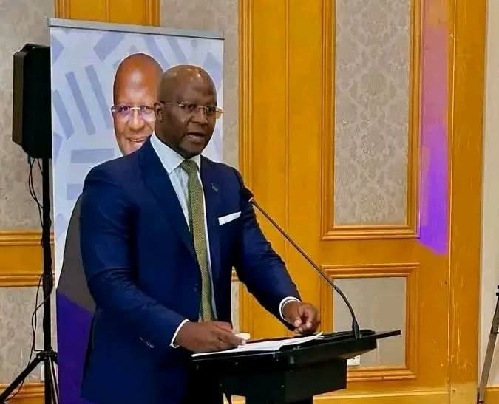
By Suleman Chitera | Malawi Freedom Network (MFN)
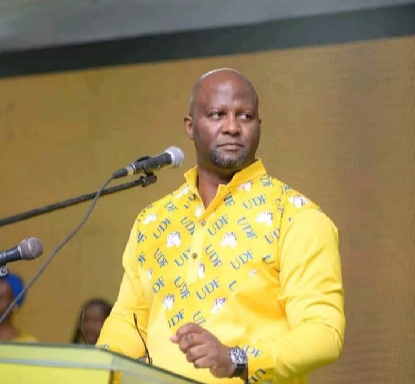
United Democratic Front (UDF) president Atupele Muluzi has challenged Malawians to reflect on why the country has continued to struggle with economic and social development despite experiencing successive changes of government since gaining independence in 1964.
Muluzi argues that Malawi’s development challenges require deeper national reflection beyond political leadership changes, saying the country must critically examine why successive administrations have struggled to deliver the economic transformation and improved living standards that citizens have long hoped for.
He says Malawians need to reconsider the country’s development journey, identify the factors that have contributed to persistent challenges and work towards sustainable solutions that put national interests above partisan political differences.
The UDF leader was speaking in an exclusive interview with Capital FM on Tuesday, October 13, 2026, where he discussed his contribution to an international book titled Why Liberation Movements Fail. The publication includes a chapter in which Muluzi examines Malawi’s experiences and development trajectory.
His contribution reflects what he describes as the Third Liberation—a vision intended to unite Malawians around a common national purpose, regardless of their political affiliations.
Beyond Changing Political Leadership
Muluzi’s remarks raise broader questions about Malawi’s development since independence, particularly whether changes in political leadership have translated into lasting improvements in the economic and social conditions of ordinary citizens.
Since becoming independent in 1964, Malawi has experienced different political administrations and changes in its system of governance. However, challenges relating to economic growth, poverty, employment opportunities and the delivery of essential public services have remained important issues in national debate.
For Muluzi, addressing these challenges requires more than replacing one political administration with another. He believes Malawians must also examine the ideas, priorities and approaches that have shaped the country’s development over the decades.
His argument calls for a national conversation about what has worked, what has failed and what needs to change if Malawi is to achieve meaningful and sustainable progress.
Rather than allowing political competition to dominate national discussions, Muluzi is advocating an approach that encourages citizens and political leaders to examine development challenges collectively.
His position places national unity and a shared development agenda at the centre of his proposed vision for Malawi’s future.
What Is the Third Liberation?
Explaining his vision, Muluzi said the Third Liberation should not be understood as a political campaign being advanced by the UDF as a party. Instead, he described it as a personal initiative that he hopes will eventually bring Malawians together around common national objectives.
He emphasised that the idea would require time and sustained effort rather than being achieved through a single event or political declaration.
“The Third Liberation is not championed by the UDF as a party, but myself, and it’s not a one-day thing, but we will surely get there,” said Muluzi.
His statement suggests that he sees national transformation as a gradual process requiring continued engagement, a change in attitudes and cooperation among people with different political beliefs.
The vision also raises questions about how Malawi can build a stronger sense of shared responsibility among its citizens while maintaining the country’s multiparty democratic system.
For such an initiative to translate into practical results, the broader debate will centre on how the proposed national purpose could be defined, how citizens from different political backgrounds could participate and what concrete actions would demonstrate progress.
Muluzi’s remarks, however, do not by themselves establish a detailed implementation framework for the Third Liberation.
A Call for a Different Approach to National Development
The UDF president also stressed the importance of changing how Malawians think about the country’s future, particularly by placing national interests above partisan political considerations.
He believes citizens should critically assess Malawi’s development trajectory and identify lasting solutions to the challenges that have affected the country across successive administrations.
Such an approach would require discussions that extend beyond political parties to include citizens, policymakers, business leaders, civil society organisations and other stakeholders concerned about the country’s future.
It would also involve examining the relationship between political leadership, public accountability, economic policy and the effective implementation of development programmes.
Malawi’s development challenges are complex, and no single explanation can fully account for the country’s experience since independence. Understanding them requires careful consideration of economic conditions, governance, public institutions, investment, productivity and the effectiveness of policies pursued over time.
Muluzi’s call for reflection therefore adds to an ongoing national debate about how the country can move from repeated political transitions towards more consistent and measurable development outcomes.
Questions for Malawi’s Political Leadership
The remarks come amid continuing public debate about the country’s economic difficulties and the performance of successive governments.
For many Malawians, the central concern is not simply which political party holds power, but whether the government of the day can create employment opportunities, improve access to essential services, strengthen public institutions and support sustainable economic growth.
Muluzi’s intervention invites political leaders and citizens to consider whether Malawi’s development priorities have been sufficiently consistent across administrations and whether national interests have received adequate attention in political decision-making.
It also raises a fundamental question: What needs to change for Malawi to achieve development that is sustained beyond the tenure of an individual president or political party?
Although the Third Liberation remains Muluzi’s stated vision, its significance will ultimately depend on how the idea is developed, communicated and translated into practical proposals that Malawians can examine.
His contribution to Why Liberation Movements Fail provides a platform for presenting his perspective on Malawi’s experience within a wider international discussion.
Read also Atupele Muluzi Rejects Claims of Funding Sylvester Namiwa
As the country continues to debate its economic and political future, the challenge is to turn calls for national reflection into constructive discussions about policies, institutions and development priorities that can deliver tangible benefits to citizens.
For Muluzi, the starting point is a willingness to look beyond political leadership changes and confront the deeper questions surrounding Malawi’s development since 1964.