 Suleman Chitera
By Suleman Chitera
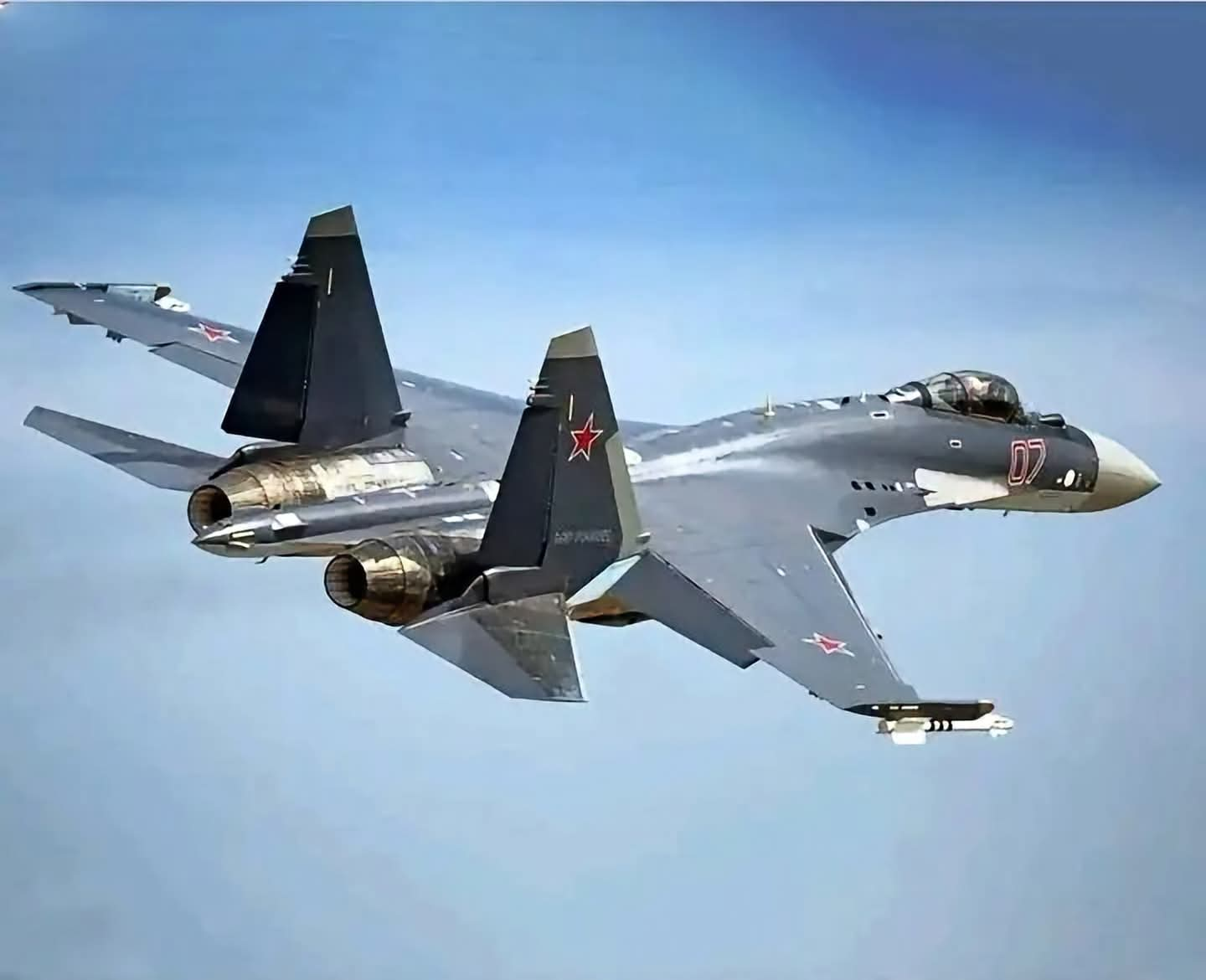
Iran is reportedly preparing to acquire approximately 50 Russian-made Su-35 fighter jets and advanced S-400 air defence systems in a major military modernisation drive aimed at strengthening its ability to defend its airspace against potential attacks.
Iran is looking to significantly upgrade its military capabilities through closer defence cooperation with Russia, with reports indicating that deliveries of the sophisticated fighter aircraft could begin after the current conflict involving the United States comes to an end.
The reported acquisition of around 50 Su-35 fighter jets would represent a major boost to Iran’s ageing air force, which has largely depended on older-generation aircraft for decades.
The Su-35, developed by Russia, is a highly advanced multirole fighter designed for air-to-air combat, interception and other military operations. Its advanced radar, manoeuvrability and weapons systems could substantially improve Iran’s ability to respond to aerial threats.
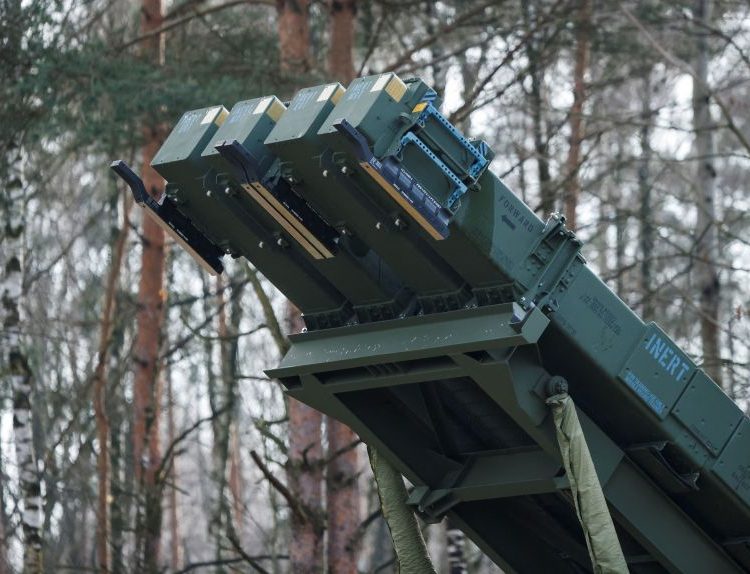
Beyond the fighter aircraft, Iran is also reportedly expecting deliveries of Russia’s S-400 air defence systems, with some reports suggesting that initial equipment has already reached the country.
The S-400 is one of Russia’s most sophisticated long-range air defence platforms, designed to detect, track and engage different types of aerial threats, including aircraft, cruise missiles and certain ballistic missile targets.
A major shift in Iran’s air defence strategy
For years, Iran has faced significant challenges in modernising its air force, partly because of international sanctions and restrictions on access to advanced Western military technology.
Much of its existing fighter fleet consists of ageing aircraft, some dating back several decades. This has created a significant technological gap between Iran’s air force and those of countries equipped with modern Western fighter jets.
The reported Russian military deal could help narrow that gap by providing Iran with more advanced combat aircraft and a stronger ground-based air defence network.
If fully implemented, the combination of Su-35 fighter jets and S-400 systems could make operations against Iranian airspace considerably more challenging.
However, the systems are not guaranteed to defeat every aircraft or missile. Their effectiveness would depend on deployment, radar coverage, operator training, electronic warfare conditions and the capabilities of opposing forces.
What it means for the United States and Israel
Iran’s reported military modernisation plans could have significant implications for the wider Middle East security situation, particularly its military rivalry with the United States and Israel.
Both countries operate sophisticated air forces and advanced military technology. Strengthening Iran’s air defence network could complicate potential aerial operations against Iranian military and strategic facilities.
Nevertheless, the actual military impact will depend on how many aircraft and defence systems Iran receives, how quickly they become operational and how effectively they are integrated into its existing military infrastructure.
For Tehran, the objective is clear: reduce its vulnerability to foreign air attacks and build a stronger capability to protect its national airspace.
If the reported acquisitions materialise, the Su-35 and S-400 systems could mark one of the most significant changes to Iran’s military capabilities in recent years.