

 Malawi Freedom Network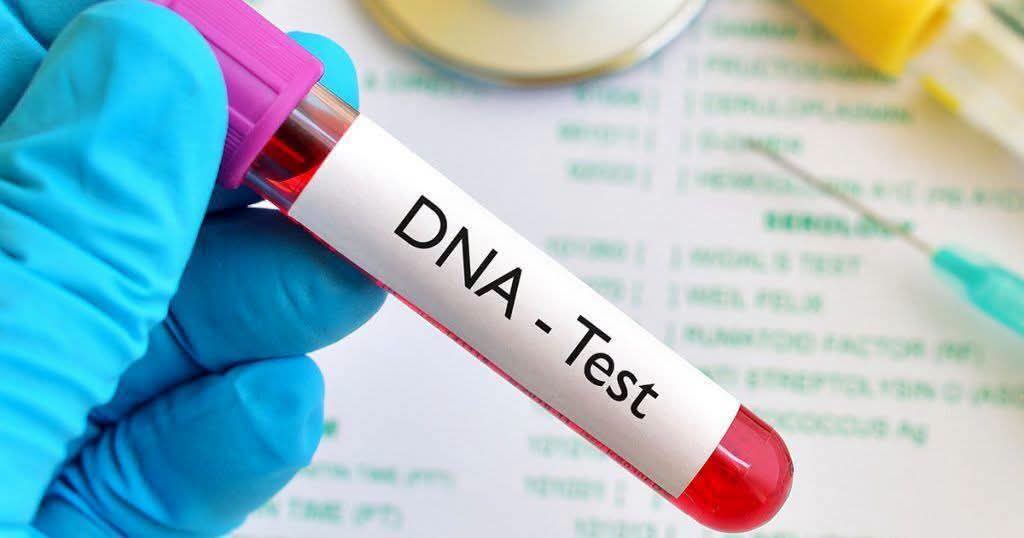
By Malawi Freedom Network
LILONGWE — A new report on DNA testing in Nigeria has reignited debate over paternity and the number of fathers who may unknowingly be raising children who are not biologically theirs.
Research attributed to Smart DNA in Nigeria indicates that nearly one in four fathers who underwent DNA testing was found not to be the biological father of the child tested.
According to DW Africa, the proportion represents a decline compared with figures recorded in previous years.
However, the findings require careful interpretation because they do not represent the entire Nigerian population.
The people included in the figures were individuals who went for DNA testing, meaning that many of them may already have had doubts or specific reasons for seeking a paternity test.
What the Nigerian findings mean
Paternity DNA testing is used to establish whether a man is the biological father of a particular child. It compares genetic information from the child and the alleged father to determine whether they share the expected biological relationship.
The Nigerian figures therefore provide an indication of what has been found among people who have sought DNA testing, rather than evidence that one in four Nigerian fathers generally are raising children who are not biologically theirs.
This distinction is important when reporting DNA statistics.
For example, a father who has no reason to question the paternity of his child may never undergo a DNA test and would therefore not be included in such research.
Consequently, the results from DNA testing centres cannot automatically be projected onto the wider population.
The situation attracting attention in Malawi
The Nigerian report has also brought renewed attention to figures previously reported by DNA testing service providers in Malawi.
Attestation Background Checks and DNA Limited Malawi have reportedly indicated that approximately eight out of every ten fathers who underwent DNA testing in their reported cases were found not to be the biological fathers of the children tested.
If accurate, such a figure would be significant and would warrant further investigation. However, it should similarly not be interpreted as meaning that eight out of every ten fathers in Malawi are raising children who are not biologically theirs.
The difference between DNA-test results and population-wide statistics is critical.
If testing centres primarily receive clients who already suspect that they may not be the biological fathers of their children, their results could naturally show a much higher rate of non-paternity than would be found in a randomly selected sample of the general population.
Why DNA testing is becoming important
DNA testing has become an increasingly important tool in resolving questions surrounding biological parentage.
Apart from personal family disputes, paternity testing can arise in cases involving inheritance, child-support matters, immigration, birth registration and other legal or family-related issues.
The scientific nature of DNA testing can provide answers where allegations and suspicions alone cannot.
However, the results can also have serious emotional and social consequences.
A DNA result that contradicts what a family has believed for years can affect relationships between spouses, parents and children. For that reason, experts and testing providers generally stress the importance of confidentiality, informed consent and appropriate counselling when dealing with sensitive paternity cases.
The need for responsible interpretation
The figures emerging from Nigeria and Malawi should therefore be treated as an issue requiring further research rather than as proof of widespread paternity fraud across either country.
A comprehensive population-level study would need to involve a representative sample of people rather than only individuals who voluntarily seek DNA testing.
Such research could provide a clearer picture of the actual prevalence of non-paternity in the general population.
Until such representative evidence is available, statements such as “one in four Nigerian fathers” or “eight in ten Malawian fathers” should be qualified by explaining that the figures relate to people who underwent DNA testing.
A sensitive family issue
Beyond the statistics, paternity testing remains a deeply sensitive family matter.
Children are particularly vulnerable to the consequences of disputes between adults over biological parentage. Public discussion of DNA findings therefore needs to avoid language that could unnecessarily stigmatise children or encourage families to make accusations without evidence.
DNA testing can establish biological relationships, but it does not by itself determine the quality of a parent-child relationship.
A man may not be a child’s biological father but may nevertheless have raised, supported and loved that child for many years.
The emerging DNA figures from Nigeria and Malawi therefore raise important questions about paternity, trust and family relationships, but they also underline the importance of accurate statistics, responsible reporting and proper scientific interpretation.
For now, the key message from the available findings is that high rates recorded among people seeking DNA tests should not be confused with national population statistics.
Further independent, representative research would be necessary to establish the true prevalence of non-paternity in Nigeria, Malawi or any other country.