 Suleman Chitera
By Suleman Chitera | MFN Reporter | 16 November 2026
Malawi has been challenged to rethink its approach to the persistent fuel crisis by bringing together the country’s most successful business leaders, financial experts, economists and international investors to develop urgent and sustainable solutions.
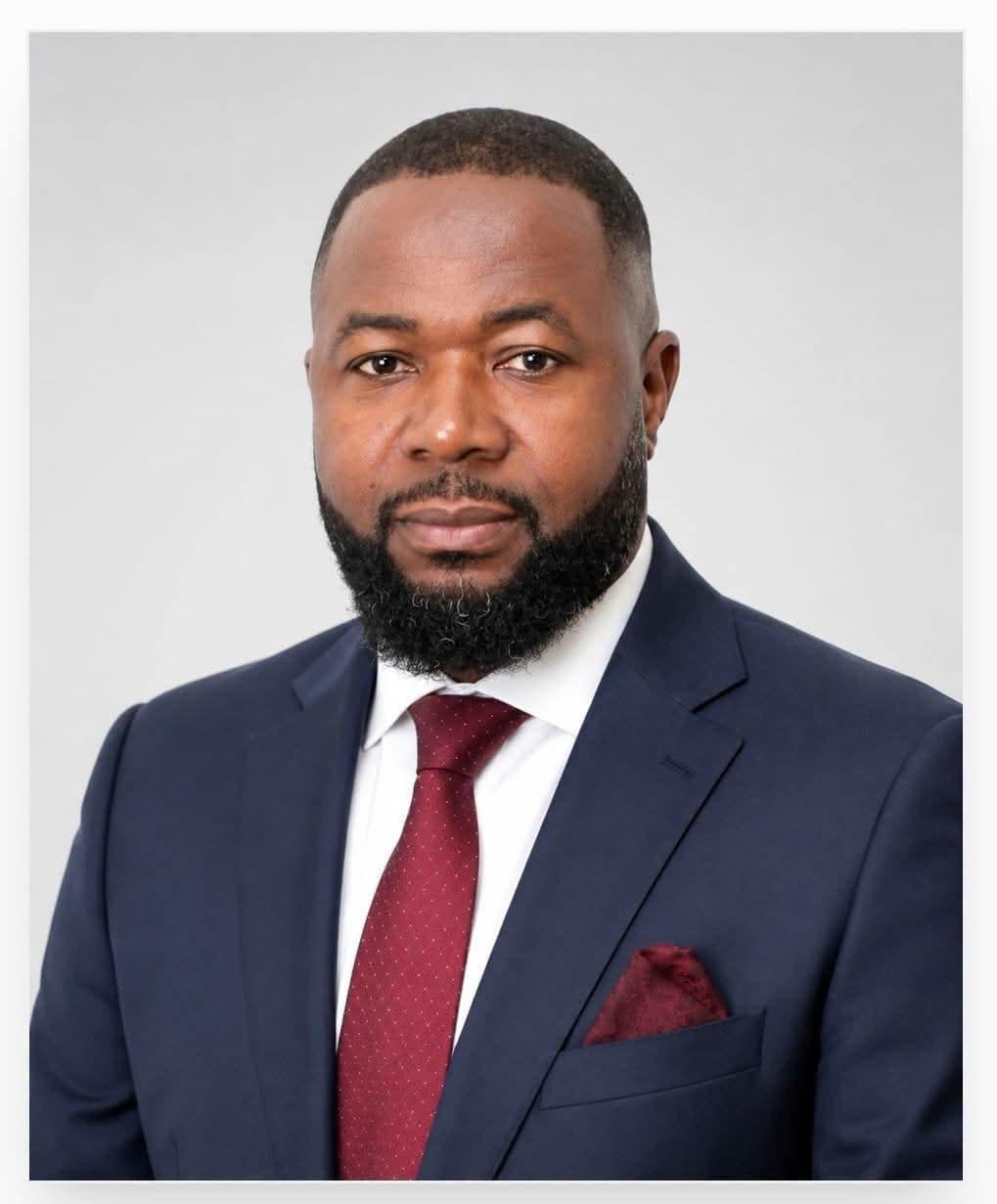
Business commentator Rhodrick Junaid Kalumpha believes the government should establish a Presidential Private Sector Fuel Crisis Task Force to mobilise local expertise, international networks and financial resources in addressing the country’s fuel supply challenges.
Kalumpha argues that Malawi does not necessarily lack the people, knowledge, experience or financial capacity to help resolve the crisis. Rather, the missing link could be an effective platform that brings together these resources and transforms them into practical solutions.
He says the government should move beyond relying solely on traditional government institutions and embrace a coordinated partnership with the private sector.
Private sector expertise could unlock solutions
Under his proposal, the task force should bring together experienced professionals from banking and financial services, the petroleum industry, manufacturing, transport and logistics, mining, agriculture and the international business community.
He also believes the Malawian diaspora should play a significant role by using its international connections to link the country with global petroleum suppliers, investors and financial institutions.
According to Kalumpha, banking and financial experts could develop innovative mechanisms for mobilising foreign exchange and securing international financing, while petroleum specialists could help negotiate competitive fuel procurement arrangements and identify reliable suppliers.
Meanwhile, manufacturing, mining, agriculture and transport industry leaders could contribute ideas on reducing logistical costs, strengthening exports and improving the country’s foreign exchange position.
Five priority areas for the proposed task force
Kalumpha has identified five key areas that the proposed task force should prioritise.
First, it should develop innovative fuel financing arrangements with international banks, petroleum suppliers and other financial institutions.
Second, it should identify reliable international fuel suppliers and negotiate competitive procurement prices.
Third, it should develop strategies for increasing foreign exchange inflows and improving access to financing for fuel imports.
Fourth, it should explore opportunities for qualified private companies to participate in fuel importation.
Finally, it should establish sustainable mechanisms for maintaining adequate strategic national fuel reserves.
He believes that clear assignments, measurable targets and strict timelines would help ensure that the task force delivers practical results rather than becoming another discussion platform.
Open up fuel importation to qualified private players
One of Kalumpha’s major recommendations is for Malawi to examine the possibility of opening up fuel importation to qualified private companies with sufficient financial and technical capacity.
He argues that allowing more credible players into the market, under a transparent and properly regulated framework, could reduce excessive dependence on limited procurement channels and create opportunities for improved efficiency.
However, he emphasises that government must retain its regulatory responsibilities, including fuel quality standards, safety regulations, import licensing, strategic reserves, consumer protection and fair competition.
The proposal also echoes calls for greater private-sector participation in fuel importation previously raised by Consumers Association of Malawi Executive Director John Kapito.
A 30-day emergency intervention plan
To turn the proposal into action, Kalumpha suggests a 30-day emergency business-government intervention programme.
During the first seven days, government would identify and invite between 15 and 20 respected business leaders and technical experts to assess the major financial, procurement and logistical challenges while engaging international fuel suppliers.
Between days eight and 15, the team would explore alternative financing arrangements, identify potential international investors and suppliers, and examine additional fuel importation and transportation options.
During the final 15 days, the task force would present actionable recommendations to the President, initiate approved emergency interventions and establish a longer-term national fuel security strategy.
Kalumpha says the initiative should operate under clear deliverables, deadlines and accountability mechanisms to ensure that recommendations translate into tangible improvements.
Michael Usi’s offer adds momentum to the proposal
Kalumpha has also pointed to former Vice-President Michael Usi’s reported offer to bring together local and international experts to assist government in addressing the fuel crisis.
He views the proposal as further evidence of the importance of mobilising expertise beyond government institutions, particularly at a time when the country needs innovative thinking and collective action.
He further notes that the government’s 2026 Economic and Fiscal Policy Statement recognises the importance of diversifying fuel importers, expanding storage capacity and improving access to regional ports.
These priorities, he argues, provide an opportunity for private-sector experts to contribute practical knowledge, investment and international connections.
Beyond fuel: A National Economic Rescue Partnership
Going beyond the immediate fuel crisis, Kalumpha proposes the establishment of a broader National Economic Rescue Partnership involving the Presidency, Ministry of Energy, Ministry of Finance, Reserve Bank of Malawi, Malawi Energy Regulatory Authority (MERA), National Oil Company of Malawi (NOCMA), leading business executives, commercial banks, international financial and petroleum experts, and the Malawian diaspora.
While the partnership would initially concentrate on stabilising fuel supplies, its mandate could eventually expand to address foreign exchange shortages, electricity challenges, industrialisation, export growth and wider economic recovery.
He stresses that the success of such an initiative would depend on genuine cooperation.
Government must be willing to listen, share relevant information, remove unnecessary bureaucratic barriers and implement credible recommendations.
On the other hand, business leaders must be prepared to contribute their expertise, networks and investment through transparent and accountable arrangements.
The bigger question: Can Malawi solve its fuel crisis together?
Kalumpha’s central message is that government should not approach every national economic challenge as though it has to provide all the answers alone.
Malawi’s private sector possesses financial resources, commercial experience, technical expertise and international connections that could complement the capacity of public institutions.
Dont Miss Malawi’s Fuel Crisis: “The Problem Can Be Fixed in Six Months, But Who Is Willing to Act?”
The country therefore needs a practical mechanism that brings these strengths together in pursuit of a common national objective.
The fuel crisis should not simply be viewed as a challenge for the Ministry of Energy or government alone. It is a national economic concern affecting businesses, transport operators, farmers, manufacturers, investors and ordinary citizens.
Malawi needs more than emergency promises. It needs bold decisions, innovative financing, transparent partnerships and action-oriented leadership.
As Kalumpha puts it, the question should no longer be whether government can solve the fuel crisis alone, but how it can mobilise the best available Malawian and international minds to solve it together.
A national crisis requires a national response. We are in this together.