 Suleman Chitera
By Suleman Chitera | MFN Reporter
November 10, 2026 | 12:56 PM
Malawi has launched a five-year education investment plan aimed at improving the quality of education, expanding access to learning opportunities and strengthening skills development across the country.
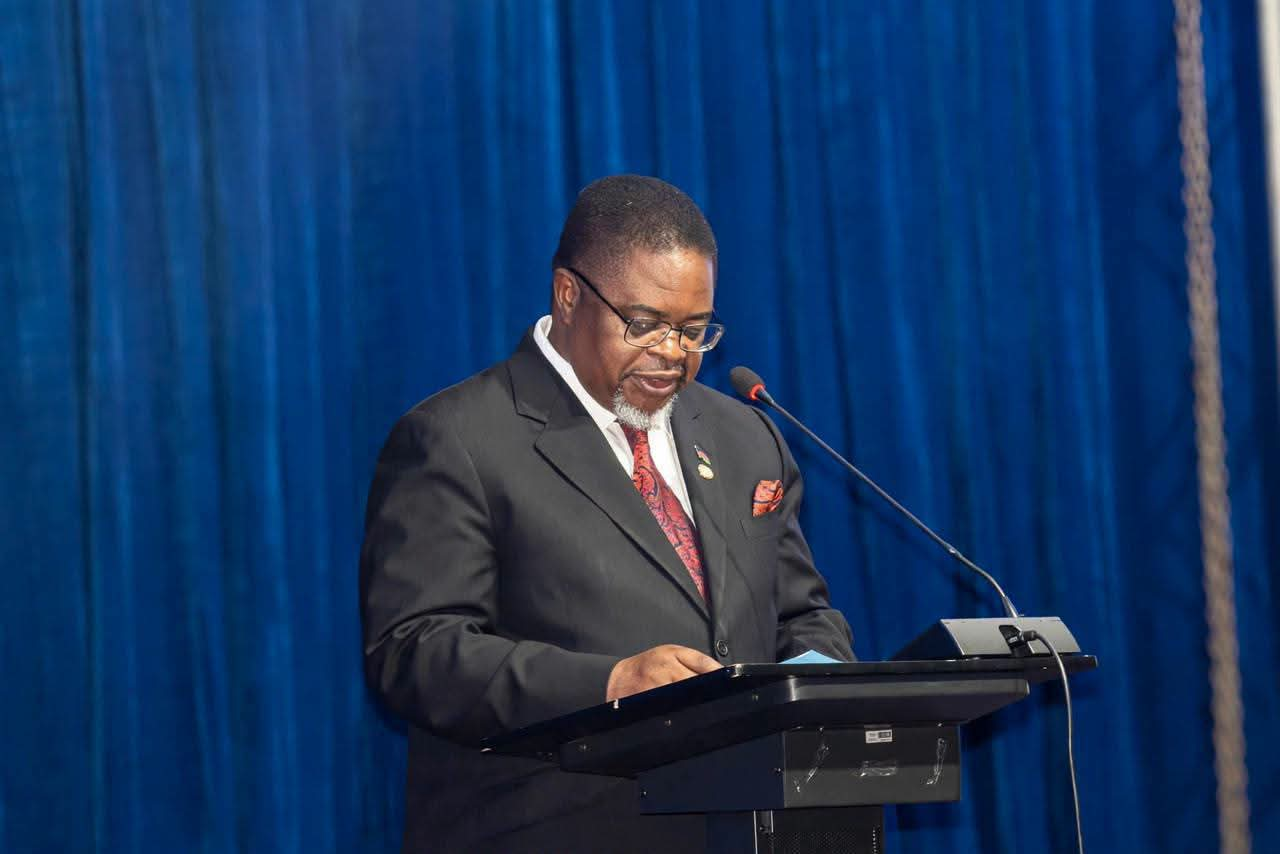
Minister of Education, Science and Technology, Bright Msaka, officially launched the 2026 Education Joint Sector Review (EJSR) and the National Education Sector Investment Plan (NESIP) 2026–2030 during a ceremony held at the Bingu International Convention Centre (BICC) in Lilongwe.
The new investment plan is expected to provide a strategic framework for Government and its development partners to coordinate resources, address challenges in the education sector and improve learning outcomes at all levels.
Speaking during the launch, Msaka said the Education Joint Sector Review provides an important opportunity to assess progress, identify gaps in implementation and agree on practical interventions to strengthen education delivery.
“The Joint Sector Review gives us a chance to examine the evidence, identify where implementation is falling short and agree on practical measures to accelerate progress,” he said.
Msaka highlighted significant progress in expanding access to education, revealing that primary school enrolment has reached 5.6 million learners, while secondary school enrolment stands at approximately 600,000.
He also disclosed that the number of students selected to public higher education institutions had increased from 11,000 in 2025 to 20,000 in 2026, reflecting efforts to widen access to tertiary education.
However, the minister stressed that Government’s priority is now to ensure that increased enrolment translates into better learning outcomes through improved foundational learning, teacher development, inclusive education and the availability of adequate teaching and learning materials.
He further revealed that the recruitment of 1,170 teachers was nearing completion as part of efforts to address staffing challenges in schools.
Govt Clears Way for Recall of Kuwait Ambassador
On reducing the financial burden on families, Msaka highlighted Government’s commitment to removing education-related barriers through the abolition of fees in public secondary schools, examination and information technology fees, alongside the provision of bursaries to support disadvantaged learners.
The NESIP 2026–2030 will cover all levels of education, including early childhood development, primary, secondary, technical and higher education, providing a shared framework for investment priorities and measurable progress.
Malawi Seeks China Partnerships to Make Smartphones Cheaper
Speaking on behalf of the Education Development Partners Group, UNICEF Representative Penelope Campbell congratulated Government on the launch, describing the investment plan as an important guide for transforming Malawi’s education sector over the next five years.
Campbell, however, cautioned that expanding access alone was not enough, emphasising the need to ensure that children acquire essential literacy and other foundational skills.
Government Mourns Sheikh Taufiq Daiton, Hails His Dedication to Islamic Faith
She observed that only one in five early-grade learners achieves age-appropriate literacy, highlighting the urgent need for stronger interventions to improve the quality of teaching and learning.
The launch was held under the theme: “Transforming Education for Improved Learning Outcomes and Skills Development: Advancing Quality, Equity and Sustainable Financing.”
The five-year plan marks an important step in Malawi’s efforts to build an inclusive, accessible and quality education system capable of equipping learners with the knowledge and skills needed for national development.