
 Suleman Chitera
By Suleman Chitera, MFN Reporter
November 3, 2026
Parliament has challenged Airtel Malawi plc over the high cost of internet data and rising mobile money fraud, putting renewed pressure on telecommunications operators to account for the quality, affordability and security of services they provide to millions of Malawians.
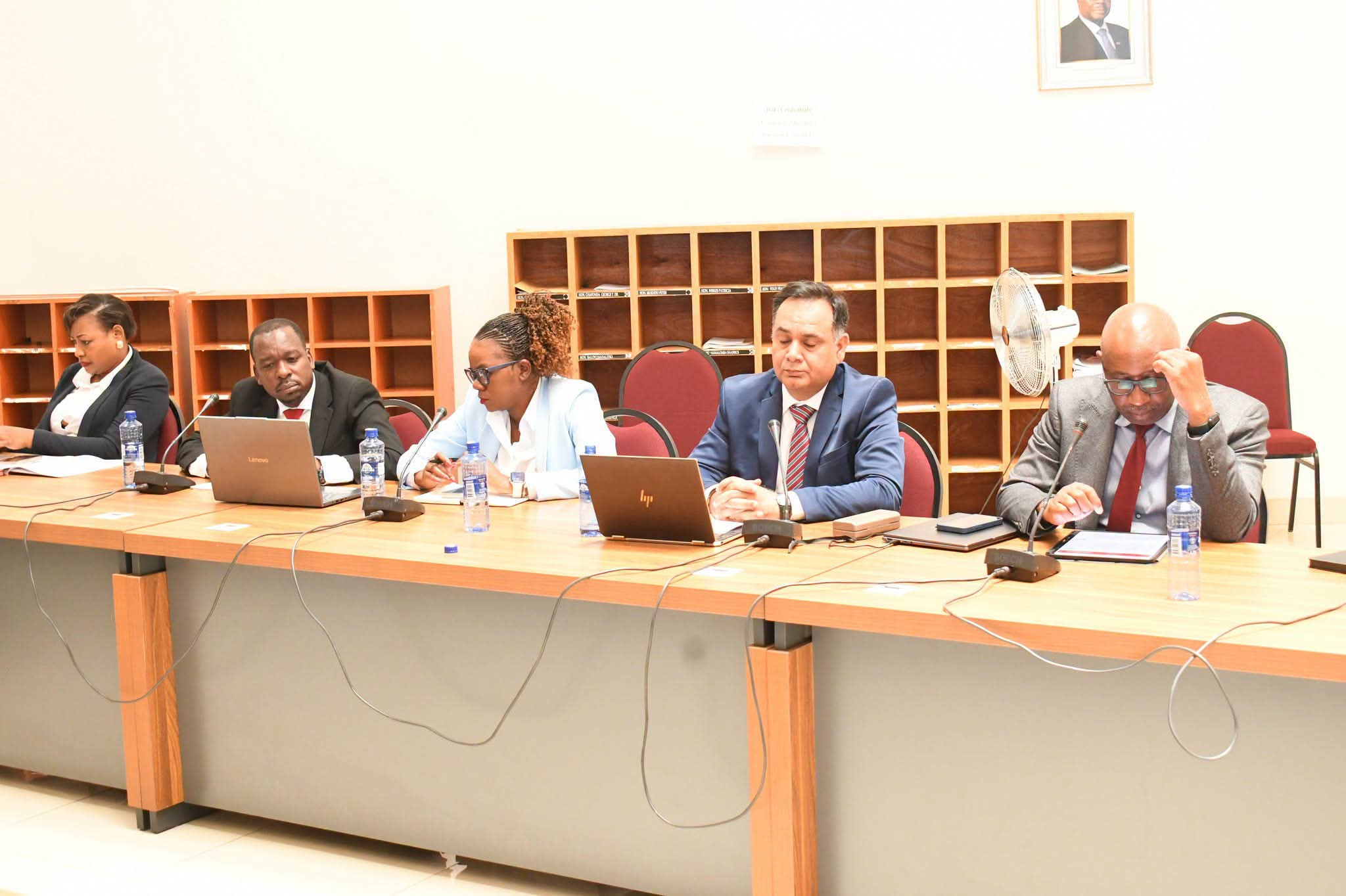
The concerns emerged during a meeting between the Parliamentary Committee on Media, Information and Communications and Airtel Malawi at Parliament Building in Lilongwe on Tuesday, November 3, 2026.
The engagement provided an opportunity for legislators to question the telecommunications company on issues that continue to affect consumers, particularly the affordability of internet access, network infrastructure development and the security of mobile money transactions.
Data affordability takes centre stage
One of the major issues raised was the cost of mobile internet data, with committee members seeking explanations on the factors contributing to high data prices in Malawi.
The lawmakers also questioned what Airtel is doing to make internet services more affordable and accessible, especially at a time when digital connectivity has become increasingly important for education, business, communication and access to information.
The scrutiny places the spotlight on a wider consumer concern: whether ordinary Malawians are getting value for money from telecommunications services in a market where internet access is increasingly becoming a necessity rather than a luxury.
For students, small-scale traders, entrepreneurs and other internet-dependent users, expensive data packages can limit opportunities to participate fully in the digital economy.
Mobile money fraud raises security concerns
The committee also raised concerns over increasing cases of mobile money fraud, particularly involving Airtel’s mobile financial services under Airtel Money.
The discussions focused on the operations of Airtel Mobile Commerce and the growing need to protect customers from fraudulent transactions and financial losses.
Mobile money has become an important part of Malawi’s financial system, enabling people to send and receive money, make payments and conduct transactions without necessarily accessing traditional banking services.
However, growing reliance on digital financial platforms also increases the importance of effective fraud prevention, customer protection and timely responses to reported cases.
The committee’s concerns underline the need for telecommunications companies to strengthen safeguards and ensure customers can trust the platforms they depend on for everyday financial transactions.
Network investment and national development
Beyond consumer complaints, legislators also examined Airtel Malawi’s network infrastructure development and its contribution to the country’s socio-economic progress.
The company briefed the committee on its operations and Corporate Social Responsibility initiatives, highlighting its involvement in activities intended to support communities and national development.
Dont miss MHRC Demands Full Operation of Karonga Refugee Shelter Amid Rising Concerns Over Irregular Migration
The engagement allowed lawmakers to assess the relationship between telecommunications investment, service delivery and the broader development needs of the country.
TNM next in Parliament’s spotlight
The committee’s engagement with Airtel is part of a wider parliamentary assessment of telecommunications service providers operating in Malawi.
Telekom Networks Malawi (TNM) plc is expected to appear before the committee later on Tuesday, where lawmakers will have another opportunity to examine issues affecting consumers and the telecommunications industry.
Read also Pastors Challenge Prophets Over Mutharika Health Predictions, Demand Apology
The engagements come at a time when affordable internet access, reliable network coverage and secure digital financial services are becoming increasingly central to Malawi’s economic and social development.
For consumers, the critical question remains whether the concerns being raised in Parliament will translate into tangible improvements in data affordability, network performance and protection against mobile money fraud.
As Parliament continues its scrutiny, telecommunications companies face growing expectations to demonstrate that their services are not only commercially sustainable but also affordable, reliable and safe for the people who use them.