 Suleman Chitera
By Suleman Chitera, MFN Reporter
November 3, 2026 | 12:48 PM
A group of church leaders has challenged individuals claiming to be prophets to apologise to President Professor Arthur Peter Mutharika over negative predictions they allegedly made about his health during his recent stay in South Africa.
The group, which identifies itself as Concerned and Patriotic Church Leaders, says it is troubled by what it describes as irresponsible prophecies targeting the President instead of messages that promote prayer, unity and national stability.
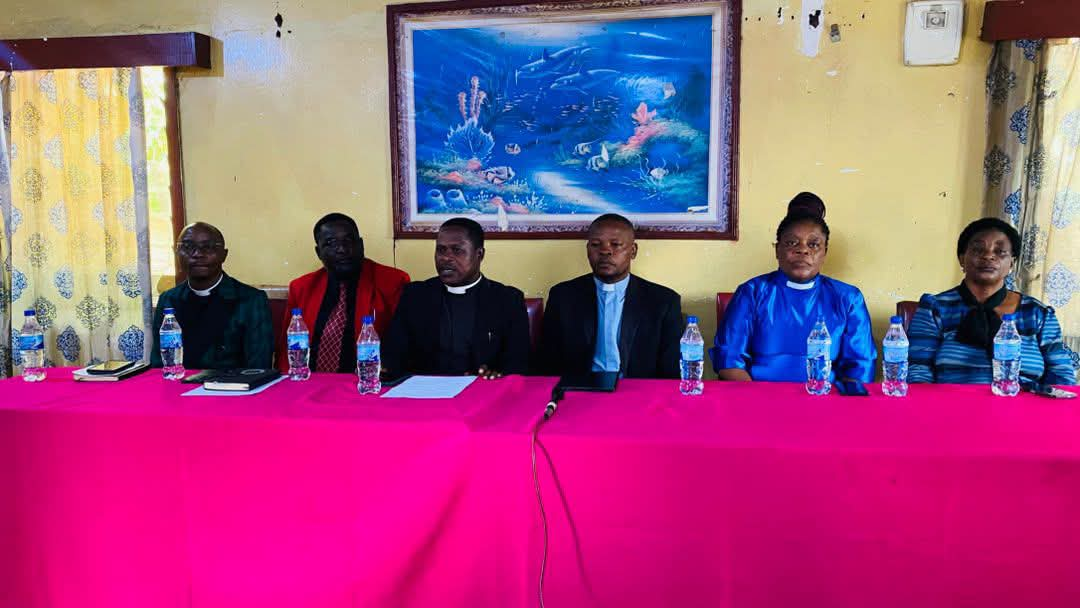
Speaking at a press conference in Lilongwe on Monday, the group’s leader, Bishop Maurice Katema, questioned why some religious figures were repeatedly making predictions about the President’s health.
Katema argued that religious leaders should use their influence to pray for the country’s leadership and address the challenges facing Malawi rather than make statements that could cause unnecessary anxiety.
“Why are people who claim to be men of God constantly waking up to make negative prophecies about the President? How long will this continue?” he questioned.
He further challenged those making such predictions to reflect on their statements following Mutharika’s return to Malawi.
The bishop said the President deserved prayers and support, describing him as the father of the nation.
The church leaders also indicated that they would reach out to individuals involved in making the alleged prophecies, although they declined to identify them publicly.
The controversy follows reports and claims circulated on social media questioning Mutharika’s health while he was in South Africa on a trip the government officially described as private.
The President returned to Malawi on November 1, 2026, bringing renewed attention to the claims that had circulated during his absence.
The pastors’ intervention has added a religious dimension to the wider public debate about responsible communication, political leadership and the role of religious figures in national affairs.
However, their demand for apologies raises questions about accountability among people who use religious platforms and social media to make predictions about public figures.
For the church leaders, the message is clear: religious influence should be used to encourage prayer and national unity rather than fuel speculation about the health of the country’s leadership.