
 Suleman Chitera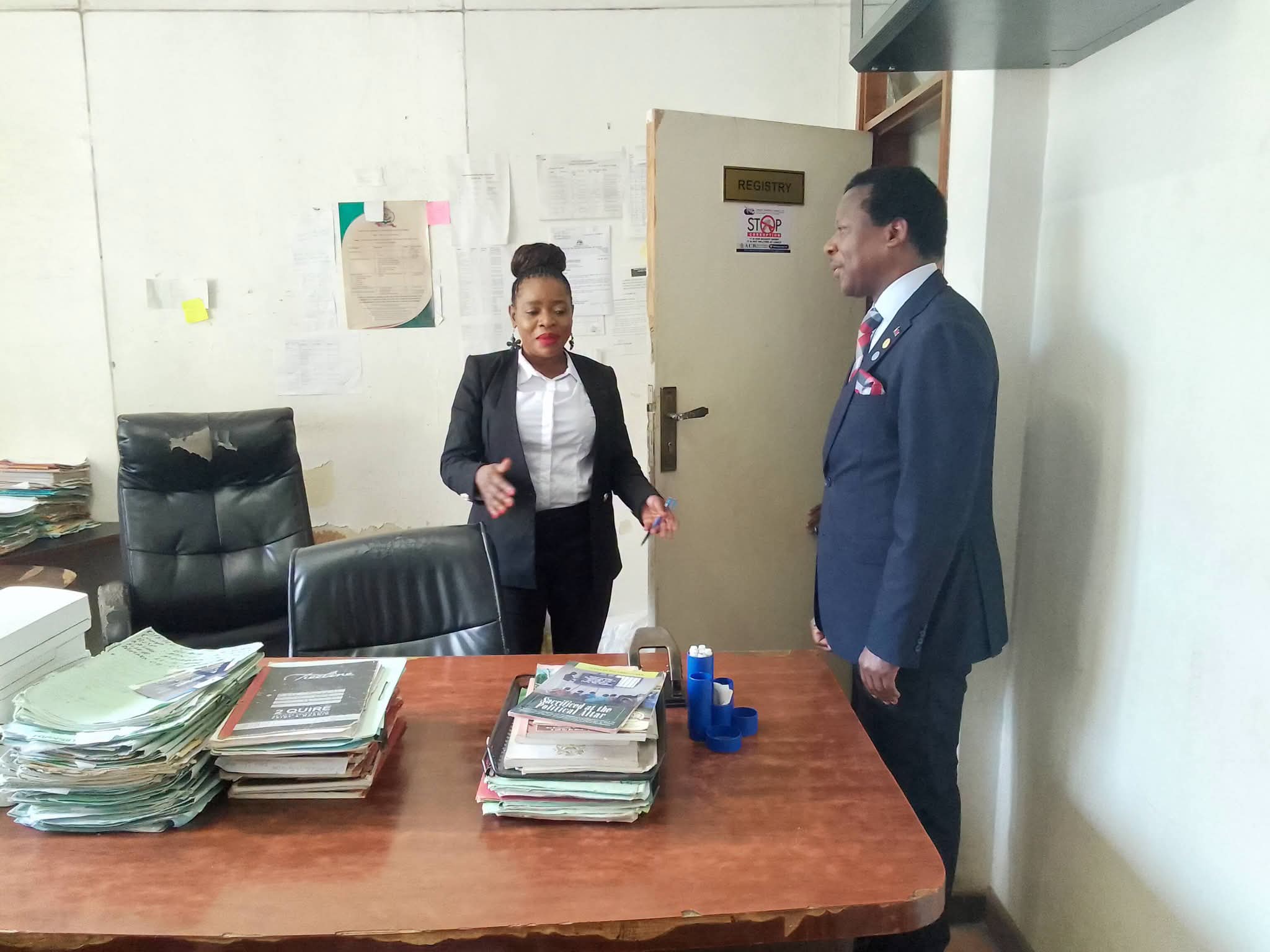
By Suleman Chitera
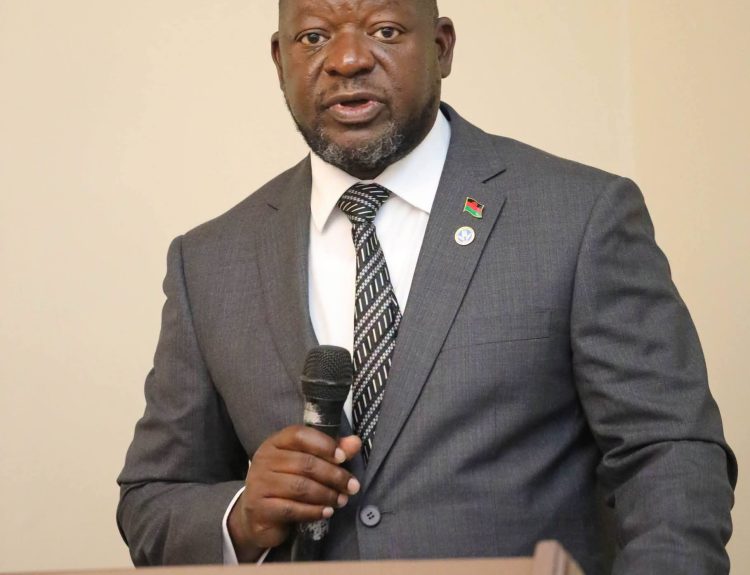
Lilongwe — Minister of Justice and Constitutional Affairs Charles Mhango says the government is moving to accelerate the review and implementation of several proposed legal reforms aimed at ensuring Malawi’s laws remain relevant to the country’s current social and economic realities.
The reforms include laws governing witchcraft, citizenship, immigration and public health, with the Ministry of Justice currently reviewing recommendations prepared by the Law Commission.
Mhango said the reforms are important to strengthening Malawi’s legal framework and supporting the country’s development aspirations under Malawi 2063.
He made the remarks during a visit to the Law Commission in Lilongwe, where he discussed progress on outstanding law reform proposals.
Malawi’s Witchcraft Act Under Review
Mhango said the Witchcraft Act requires particular attention because the legislation was inherited from the colonial period and, in his view, does not adequately reflect present-day circumstances in Malawi.
“The law on witchcraft was basically imposed on us by the colonial masters. That law does not reflect what is happening on the ground,” Mhango said.
He said the ministry would carefully consider the Law Commission’s recommendations before deciding whether to amend or repeal the existing legislation and introduce a new legal framework.
The review is particularly significant because accusations of witchcraft have historically been linked to violence and other forms of abuse against people suspected of practising witchcraft.
Law Commission Calls for Protection of Victims
Law Commissioner Rosemary Kumitsonyo Kanyuka said the Law Commission completed its review of the Witchcraft Act and Citizenship Act in 2021, while its review of the Immigration Act was completed in 2023.
However, she said delays in moving the recommendations through the legislative process have meant that some proposed Bills now need to be reviewed again to ensure they remain relevant.
Kanyuka said the proposed reforms to the Witchcraft Act are designed to protect people from violence and other harm resulting from accusations or suspicions of witchcraft.
“Your belief is your belief. You’ve got a right to believe in that, but you don’t have a right to extend your belief by harming somebody else,” she said.
According to Kanyuka, the proposed legislation would establish penalties for individuals who harm others because of witchcraft accusations or suspicions.
She also said the reforms would need to be accompanied by civic education to help communities understand the law and discourage violence linked to witchcraft allegations.
Ombudsman Pushes for Stronger Accountability
The broader legal reform agenda also includes strengthening governance and accountability in public institutions.
Ombudsman Grace Tikambenji Malera said the Office of the Ombudsman is expanding its oversight work through systemic investigations and other mechanisms aimed at identifying and addressing institutional weaknesses.
Malera said her office is investigating the management of funds and loan recovery under the former National Economic Empowerment Fund, while also increasing its focus on mining, extractive industries and environmental justice.
She cited the need to prevent a repeat of governance and environmental concerns associated with the Kayelekera uranium mine.
“How do we avert another Kayelekera? As far as governance and accountability issues are concerned, that’s the input that we want to make,” Malera said.
She called for closer cooperation between oversight institutions and the Ministry of Justice to ensure recommendations arising from investigations are translated into practical reforms.
Government Seeks Faster Legal Reforms
Mhango said the Law Commission and the Office of the Ombudsman play a critical role in strengthening the rule of law, accountability and good governance in Malawi.
“The Office of the Ombudsman and the Law Commission are at the centre of good governance,” he said.
The minister’s remarks signal renewed government attention to long-standing law reform proposals, some of which have remained pending for several years.
The proposed changes could have significant implications for Malawi’s legal and governance landscape, particularly in areas involving witchcraft-related violence, citizenship, immigration, public health, institutional accountability and environmental governance.
As the Ministry of Justice reviews the Law Commission’s recommendations, attention will now turn to whether the proposed reforms will be translated into Bills and eventually debated and passed by Parliament.
For Malawi, the challenge will be to modernise outdated legislation while ensuring that the resulting laws protect citizens’ rights, strengthen accountability and respond effectively to contemporary national challenges.