 Suleman Chitera
By Suleman Chitera, MFN Reporter
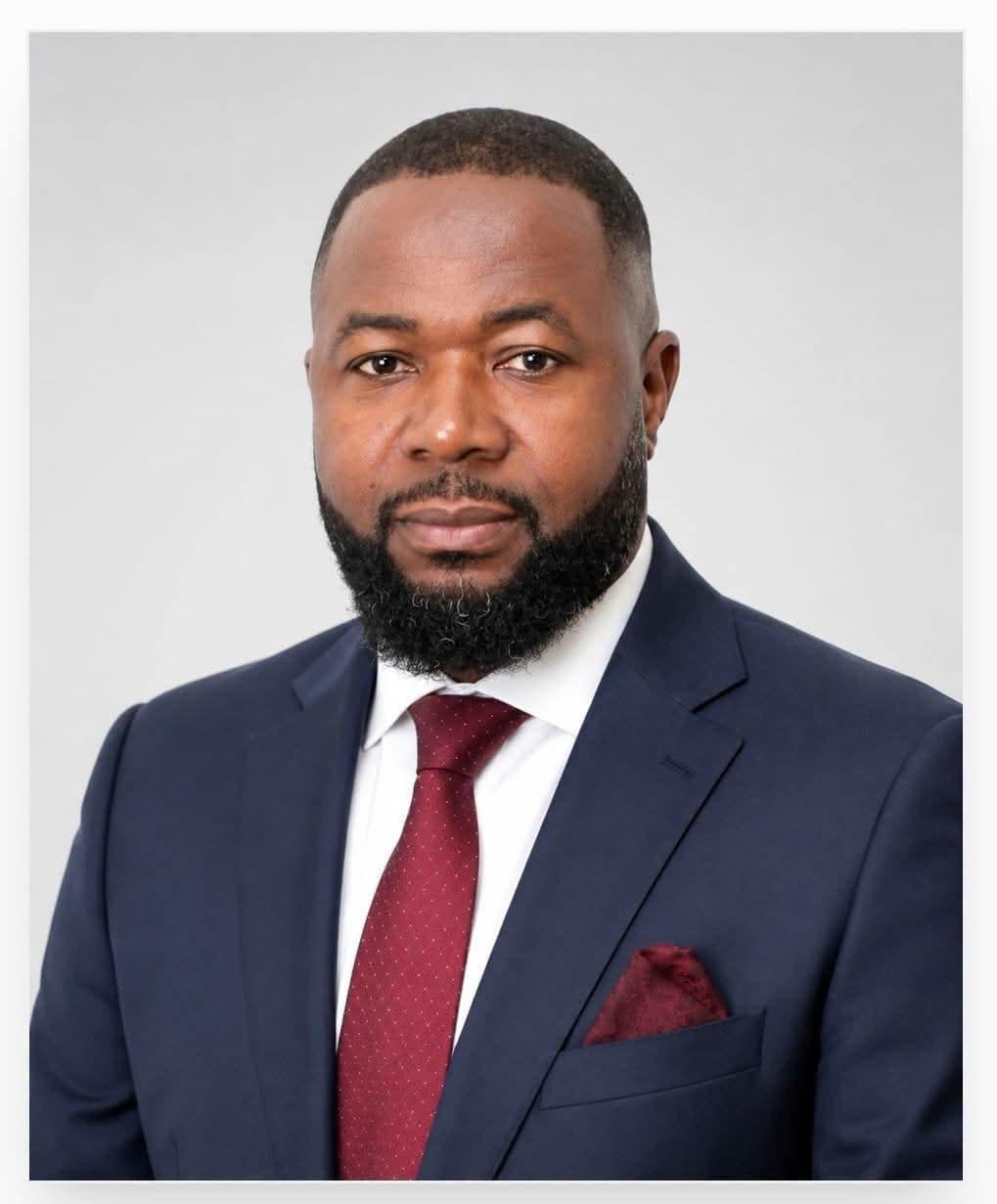
Rhodrick Junaid Kalumpha, popularly known as RJK, is attracting attention for his professional journey, philanthropic activities and growing engagement in conversations about Malawi’s development.
Based in England, Kalumpha represents a growing category of Malawians in the diaspora whose professional experiences and resources have the potential to contribute to the country’s social and economic transformation.
But what makes his story particularly interesting is the connection between his personal journey, appreciation of education, community support and ambition to see Malawi develop.
From a local classroom to international professional life
One of the most inspiring chapters of Kalumpha’s story is his educational background and journey to professional life abroad.
A profile published by Nation Online identifies him as a former pupil of Elizabeth Chisale, a teacher at Domasi Government Primary School in Zomba, who played a role in shaping his educational foundation.
Today, Kalumpha is a finance manager based in England, a journey that highlights the importance of education, determination and the contribution of teachers in preparing young people for future opportunities.
His experience also provides an important reminder that the classroom can be the starting point of an international professional journey.
Behind many successful individuals are teachers whose commitment and guidance help shape their ambitions and future achievements.
Philanthropy that responds to real community needs
Beyond his professional life, Kalumpha has also attracted attention through philanthropic interventions aimed at supporting public institutions.
One notable example was his support to Mangochi District Hospital, where he donated heating oil to help restore the operation of electric cooking pots that had remained grounded for years.
The intervention addressed a practical challenge affecting the hospital’s ability to prepare meals.
Rather than limiting his contribution to public statements about helping communities, the assistance targeted an immediate institutional need.
Such interventions demonstrate how individuals, particularly Malawians living abroad, can complement government efforts in improving essential public services.
For hospitals operating under resource constraints, support from well-wishers and organisations can make a meaningful difference.
Challenging young people to take responsibility
Another interesting aspect of Kalumpha’s public engagement is his interest in youth empowerment and national development.
In September 2026, he challenged young Malawians to stop being spectators in matters affecting their country’s future and instead become active participants in shaping national development.
Speaking virtually from London to young people, community organisers and traditional leaders, he emphasised the importance of youth participation, accountability and responsibility.
His message was that young people should not leave decisions about their future entirely in the hands of others.
Malawi has a large youthful population, making youth participation in governance, entrepreneurship, innovation and economic development essential to the country’s future.
His call therefore touches on an important national question: how can young people move from discussing the country’s problems to actively participating in finding solutions?
A vision beyond political discussions
Kalumpha’s interest in Malawi’s future also connects with broader conversations about economic transformation.
Issues such as agricultural productivity, food security, entrepreneurship, investment and employment creation remain central to the country’s development agenda.
Malawi needs stronger agricultural production, a more competitive private sector, expanded business opportunities and an economic environment capable of creating sustainable employment.
Malawians living abroad can contribute through investment, skills transfer, professional networks and partnerships that connect international opportunities with local needs.
For professionals such as Kalumpha, the challenge is to translate experience and development ideas into practical initiatives that produce measurable results.
The bigger question: What next for RJK?
Perhaps the most interesting part of Rhodrick Junaid Kalumpha’s story is the possibility of bringing together his international professional experience, philanthropic activities and interest in national development to make a lasting contribution to Malawi.
His growing public profile comes at a time when Malawians are increasingly demanding practical solutions to economic difficulties, better public services, employment opportunities and accountable leadership.
However, public recognition alone does not establish leadership credentials. His long-term influence will depend on consistency, transparency, practical achievements and the ability to turn ambitious ideas into tangible results.
His professional experience in England could provide opportunities to build partnerships, attract investment and support initiatives that benefit communities back home.
More than a name to watch
Kalumpha’s story brings together several important dimensions: a Malawian whose educational foundation was built locally, a professional developing his career abroad, a philanthropist supporting community needs and an emerging voice encouraging young people to participate in national development.
It also raises an important question about the responsibility of successful Malawians in the diaspora.
Can their professional achievements and international connections be converted into opportunities that improve lives back home?
For Kalumpha, the opportunity is to demonstrate that success should not be measured only by personal advancement but also by the positive difference one makes in society.
Ultimately, his legacy will be determined not by how frequently his name appears in public discussions, but by the number of lives touched, opportunities created and lasting contributions made towards Malawi’s development.
Malawi needs more people who are willing to move beyond talking about change and actively contribute to building a better future.