
 Suleman Chitera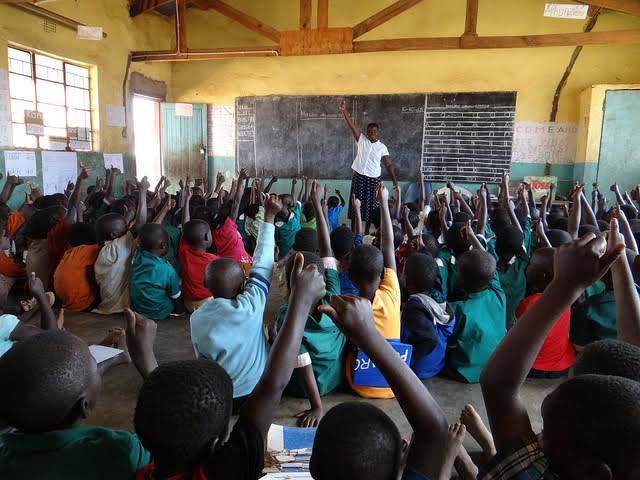
By Issa Chimwala
There is an urgent need for education authorities in Mangochi District to take a closer look at the working environment in some schools, particularly concerns being raised by teachers about alleged intimidation, victimisation and the misuse of administrative powers.
Teachers are the backbone of Malawi’s education system. They cannot be expected to deliver quality education, improve examination results and nurture responsible citizens if they work in an environment where they constantly fear their seniors.
A school should be a place of learning, professionalism, discipline and teamwork—not a place where teachers feel threatened because they have raised concerns or refused to participate in practices they believe are inappropriate.
Teachers deserve respect and professional leadership
Every teacher deserves to be treated with dignity and respect, regardless of their position.
A Primary Education Adviser (PEA) should be someone whom teachers can approach for professional guidance, encouragement and support. When teachers see their PEA, they should feel reassured that a professional leader has come to help them improve their work—not someone they should fear.
The responsibility of senior education officers is not simply to monitor teachers and identify weaknesses. It is also to create an environment in which teachers can perform at their best.
Where teachers are struggling, the appropriate response should be mentorship, professional guidance and constructive supervision.
Where there are genuine cases of poor performance, these should be handled through established procedures, evidence and fairness—not personal grudges.
Transfers must not become instruments of punishment
Transfers are a normal part of the public education system. However, concerns arise when transfers are allegedly used to punish teachers or Deputy Headteachers who refuse to comply with personal demands or practices they consider inappropriate.
A teacher should not have to choose between protecting their professional integrity and protecting their job.
If an employee genuinely deserves a transfer because of operational requirements, professional reasons or other legitimate considerations, the decision should be properly documented and handled transparently.
But if transfers are motivated by personal disagreements, retaliation or attempts to force individuals to comply with questionable demands, that undermines confidence in the education system.
Concerns over school development projects require investigation
Particular attention should be given to allegations concerning the management of school development projects.
There are concerns that some Deputy Headteachers may be pressured to take project funds and distribute portions to certain individuals under various explanations, including alleged allowances or “units.”
Where such allegations exist, they should not simply be dismissed as workplace disagreements.
The appropriate authorities should independently establish:
- How school project funds are being collected and managed.
- Who has authority over the funds.
- Whether all expenditures are properly documented.
- Whether Project Implementation Committees are involved as required.
- Whether school financial records are available for inspection.
- Whether teachers or school administrators have been pressured to release funds improperly.
- Whether disciplinary action or transfers have followed disagreements over such financial matters.
If the allegations are found to be unsubstantiated, those affected should have their names cleared. If wrongdoing is established, appropriate action should follow.
The objective should not be to target individuals but to protect public resources and restore confidence in the education system.
The impact on learners must not be ignored
This issue goes beyond disagreements between teachers and their seniors.
The ultimate victims of a dysfunctional school environment can be the learners.
Teachers who spend their time worrying about transfers, intimidation, workplace conflicts or administrative retaliation have less energy and confidence to concentrate on lesson preparation, classroom teaching and supporting learners.
Mangochi District, like every other district, wants to see improved performance in MANEB examinations. That requires more than simply demanding better results from teachers.
Authorities must also examine the conditions under which teachers are expected to produce those results.
You cannot demand excellent results from teachers while failing to address an environment that may be undermining their morale.
Authorities should listen before taking action
The Director of Education and Sports and the District Commissioner are therefore urged to take these concerns seriously and consider engaging directly with teachers, Deputy Headteachers, PEAs and Project Implementation Committees.
Most importantly, teachers who come forward with complaints should be given an opportunity to explain their experiences.
They should be listened to professionally and confidentially where necessary.
A teacher who reports a concern should not automatically be labelled troublesome, disloyal or incompetent.
Authorities should investigate both sides before reaching conclusions.
A fair system does not protect teachers from legitimate accountability. Rather, it protects everyone from unfair treatment.
Protect whistleblowers and encourage openness
There is also a need to create safe channels through which teachers can report concerns without fear of retaliation.
If teachers believe that speaking out will result in an unwanted transfer, harassment or other administrative consequences, many will remain silent even when they witness serious problems.
That silence can allow misconduct to continue.
Education authorities should therefore encourage teachers to report concerns through appropriate institutional channels and ensure that complaints are assessed objectively.
Where there are allegations of corruption or misuse of public resources, the relevant oversight institutions should be allowed to examine the matter independently.
Leadership should inspire, not frighten
The fundamental question for every education leader should be simple:
When teachers see you coming, do they feel encouraged—or threatened?
A good leader does not build authority through fear.
A good leader builds authority through fairness, professionalism, competence and trust.
Teachers should be able to say, “Our PEA has come to help us improve.”
Deputy Headteachers should be able to perform their responsibilities without fear that refusing an inappropriate instruction will cost them their positions.
School administrators should be able to manage development projects transparently and account for every kwacha.
And learners should be able to benefit from a stable environment where teachers are focused on education rather than workplace disputes.
A message to the authorities
This is therefore a call for the Mangochi District Council, education authorities, relevant oversight institutions, the Anti-Corruption Bureau and the Office of the Ombudsman to pay attention to concerns being raised by teachers.
The allegations should be investigated fairly, professionally and without prejudice.
If there is evidence of wrongdoing, action should be taken.
If the allegations are found to be false, those accused should be protected from unfair reputational damage.
But most importantly, the system must ensure that teachers can work without intimidation and that school resources are managed transparently.
Malawi cannot improve education by merely blaming teachers for poor examination results.
We must also examine the environment in which teachers work.
Teachers are not there to serve the personal interests of their seniors. Senior officers are there to support, supervise, guide and strengthen teachers so that they can deliver quality education.
A teacher who feels respected will work with confidence.
A teacher who feels supported will strive to improve.
A teacher who feels protected will speak up when something is wrong.
And a teacher who is free to concentrate on teaching gives our children a better chance of succeeding.
The call, therefore, is not for special treatment for teachers. It is for fairness, accountability, transparency and professional leadership.
The education system belongs to the nation, and its first responsibility must always be to the children it serves.