









Kabambe For Presidency
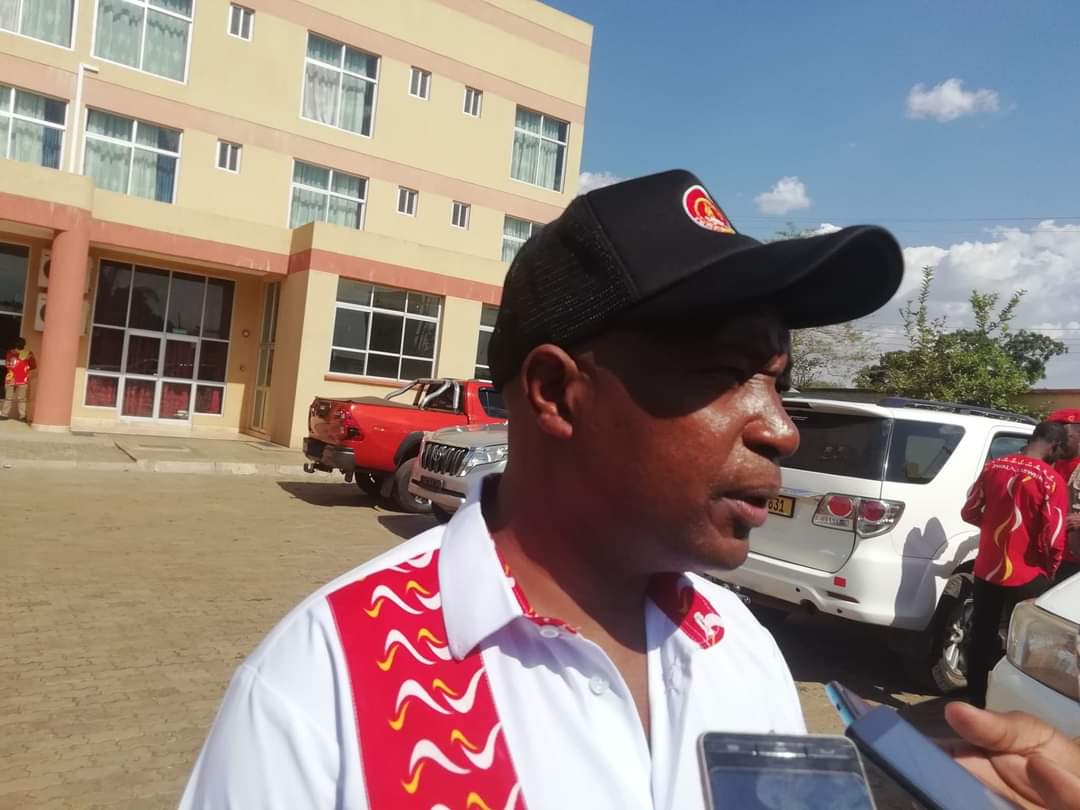
Dalitso Kabambe, one of the presidential aspirant for the UTM party, has called on delegates to vote for visionary leaders at the upcoming elective conference.
Speaking to Bua Central Region delegates in Kasungu District, he expressed confidence in his ability to lead the party to victory in the 2025 general elections.
“I’m very optimistic that if I am voted into the UTM presidential seat and win next year’s polls, my experience will help address the challenges Malawians face today,” Kabambe stated.
UTM Bua Central Region Governor Gerald Mbewe hailed Kabambe’s remarks, underscoring the need for intelligent leadership to ensure the party’s success.
The UTM party’s 2024 elective conference is scheduled for November 17.
Other news
- Team Malawi Unveils 24-Member Squad for Glasgow 2026

By Suleman Chitera
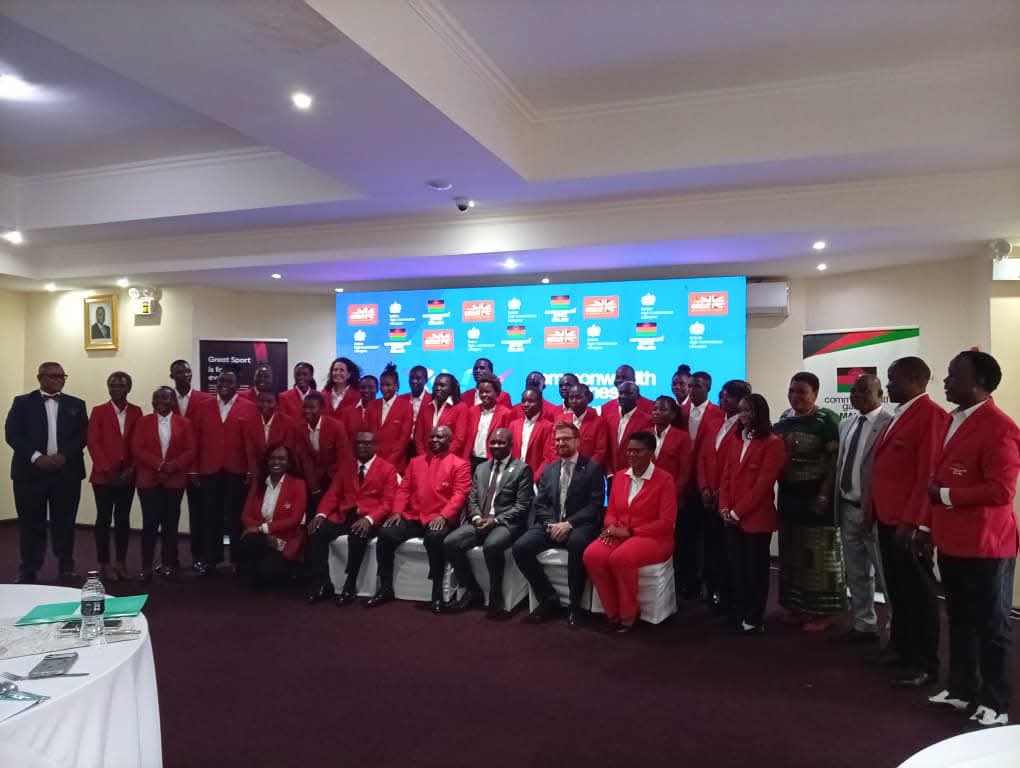
Malawi has officially unveiled a 24-member national team that will represent the country at the 2026 Commonwealth Games in Glasgow, Scotland, with hopes of securing the nation’s first-ever medal at the prestigious multi-sport event.
The athletes will compete in five sporting disciplines—netball, athletics, swimming, boxing and judo—during the Games, which will take place from 23 July to 2 August 2026.
Speaking during the official unveiling ceremony in Lilongwe on Friday, Minister of Youth and Sports Alfred Gangata challenged Team Malawi to rise to the occasion and make history by becoming the first Malawian athletes to win a Commonwealth Games medal.Team Malawi shines at Region 5 Youth Games with silver, bronze and spirited performances
Gangata expressed confidence in the team’s ability to compete at the highest level, urging the athletes to represent the country with pride, discipline and determination on the international stage.
Malawi National Council of Sports Acting Chief Executive Officer Ivy Chinangwa described the team’s participation as another important milestone for Malawian sport, saying the Games provide a valuable platform for athletes to showcase their talent against some of the world’s best competitors.
She said the athletes’ selection reflects months of preparation and dedication, expressing optimism that Team Malawi will deliver commendable performances throughout the competition.Malawi Sends 137 Student Athletes to Botswana for CUCSA Games as FDH Bank Injects K100 Million Sponsorship
According to the travel schedule, the national netball team will be the first contingent to leave Malawi, departing on 14 July 2026. The swimming and boxing teams are scheduled to travel on 20 July, followed by the athletics team on 23 July, while the judo team will depart on 27 July 2026.
As anticipation builds ahead of the Glasgow Games, Malawians will be hoping Team Malawi can produce memorable performances and return home having written a new chapter in the country’s sporting history.Haiya Hails Chiwalo as Game-Changer for FAM
- NBM plc supports MISALICO financial literacy program with K20 million

By Suleman Chitera
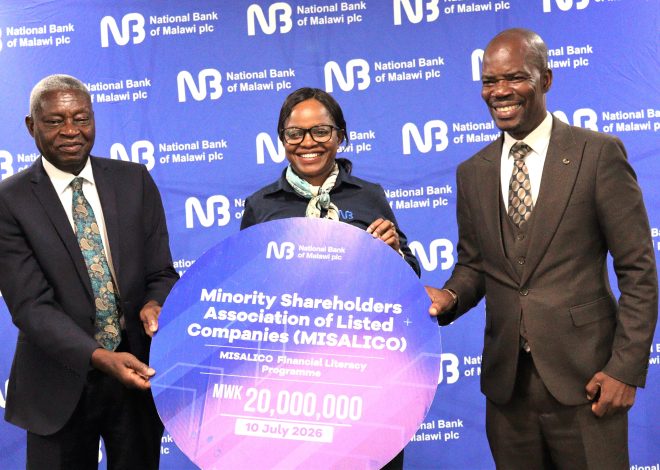
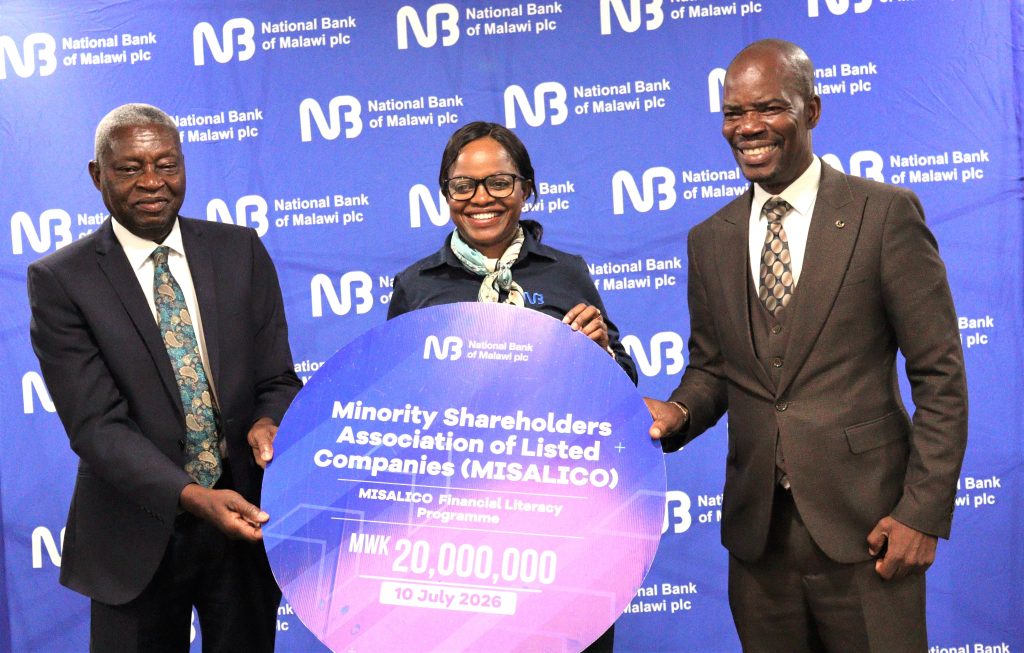
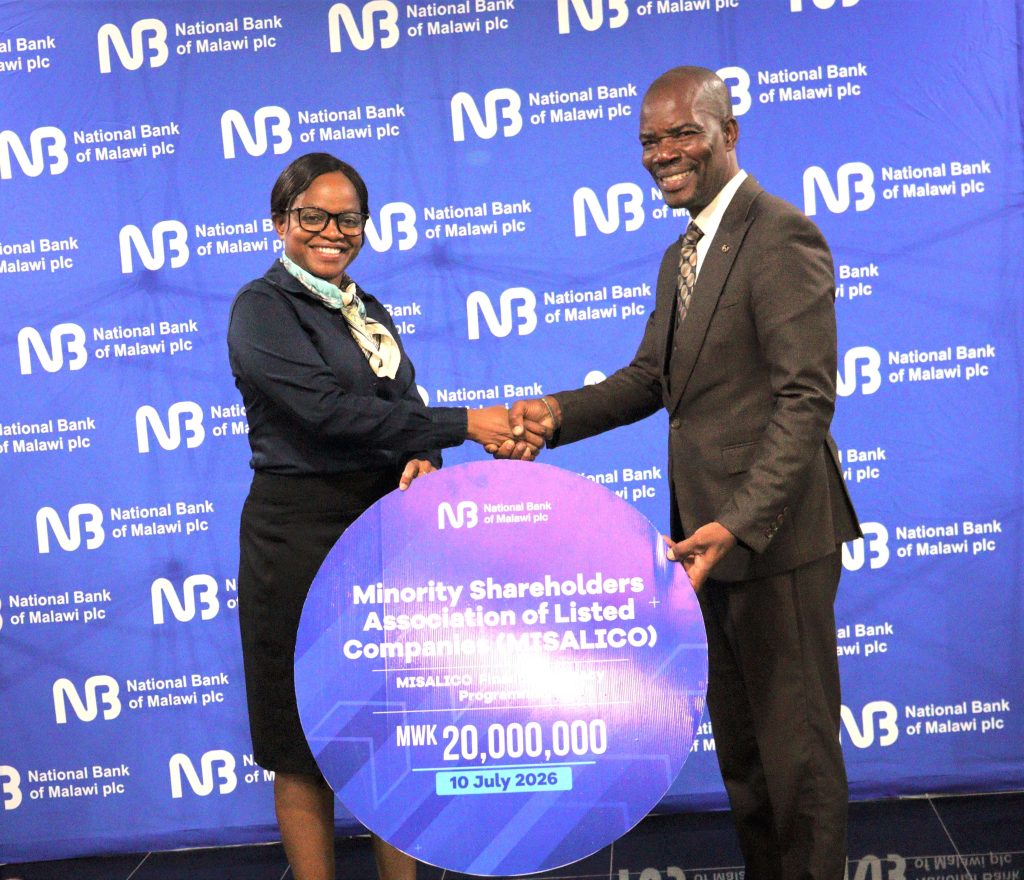
National Bank of Malawi (NBM) plc has given K20 million to the Minority Shareholders Association of Listed Companies (MISALICO) in support of their upcoming Clergy Financial Literacy Programme.
The programme, scheduled to take place in Mzuzu this August, aims to bridge the country’s financial knowledge gap, particularly in equity investments, while equipping participants with the skills needed to navigate the financial landscape.National Bank of Malawi Plc Posts Record K100 Billion Profit, Shareholders Call for Improved Mo626 Services
Speaking during the symbolic cheque handover ceremony in Blantyre on Friday, NBM plc Head of Legal and Company Secretary, Zunzo Mitole, said the Bank’s support reflects its commitment to promoting financial literacy and encouraging more Malawians to invest in the stock market.
“We believe investing is one of the most effective ways of preserving and growing wealth. One of the avenues for achieving this is through the stock market. We want more people to understand that investing in shares is possible and that it can bring long-term financial benefits,” said Mitole.Mwawi Kumwenda to Join Malawi Queens Ahead of 2026 Commonwealth Games
She further said the Bank believes that, through the scheduled programme, more people will be encouraged to invest in shares, thereby investing in their future.

association’s Secretary General, Frank Harawa Receiving the cheque on behalf of MISALICO, the association’s Secretary General, Frank Harawa, commended NBM plc for its support, describing the donation as a significant contribution towards addressing the country’s financial literacy challenges.
“Although the Malawi Stock Exchange (MSE) has been in existence for many years, we have realised that only a small proportion of Malawians understand how the stock market works. That is why we introduced these financial literacy programmes, to bridge this knowledge gap. We are grateful to National Bank of Malawi for supporting this important initiative,” said Harawa.NBS Bank Scraps SME Banking, Unveils Bold Business Banking Strategy to Help Build Malawi’s Next Business Giants
Harawa said the clergy play a crucial role in influencing the financial well-being of their members, which is why the association has targeted them through the programme.
MISALICO has been implementing financial literacy programmes targeting young people and women in various parts of the country, including Zomba, Blantyre and Lilongwe
- Questions Over K17.79 Billion: CDEDI Wants ACB to Probe First Lady’s BEAM Foundation
By Staff Reporter
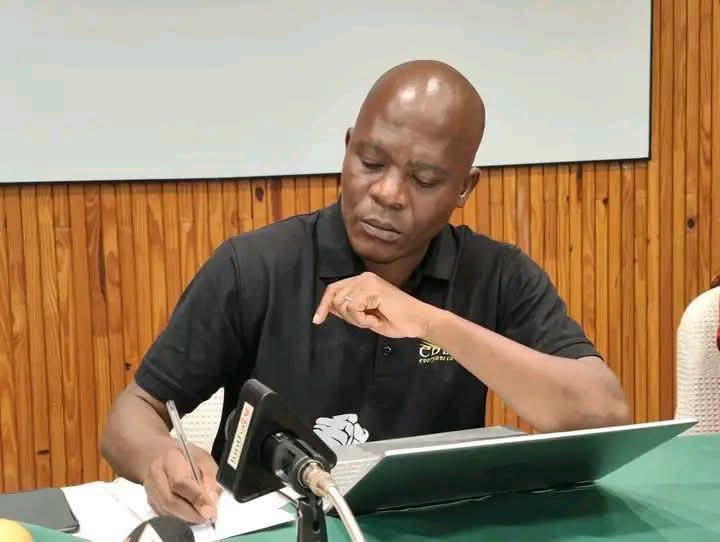
The Centre for Democracy and Economic Development Initiatives (CDEDI) has called on the Anti-Corruption Bureau (ACB) to investigate the Beautify Malawi (BEAM) Foundation, an organisation led by Malawi’s First Lady, Gertrude Mutharika, over the source of K17.79 billion reportedly raised during its launch.
Addressing the media, CDEDI Executive Director Sylvester Namiwa said the ACB should establish how the foundation obtained the funds and whether all donations complied with Malawi’s laws and financial regulations.
Namiwa also called on Mrs. Mutharika to publicly disclose the identities of the donors and the sources of the money contributed to the foundation, saying transparency is essential to maintain public confidence.PIJ investigation reveals identities of Namiwa attackers
He further urged the ACB to carry out a comprehensive financial audit of the BEAM Foundation covering the periods from 2014 to 2020 and from October 2025 to June 2026.
According to Namiwa, some of the reported contributors to the foundation include NBS Bank, which allegedly donated K5 billion, South African businessman Zunald Moti with K4 billion, Zimbabwean businessman Wicknell Chivayo with K1.7 billion, Apostle Clifford Kawinga with K1 billion, and Prophet Shepherd Bushiri with K300 millionICC Probes Police Inaction in Namiwa Attack.
CDEDI says the proposed investigation would help determine whether the funds were lawfully obtained and properly managed, while promoting accountability and transparency in the operations of the foundation.
At the time of publication, neither the BEAM Foundation nor the Anti-Corruption Bureau had publicly responded to CDEDI’s calls for an investigation.
Editor’s Note: The allegations and requests outlined above were made by CDEDI. They remain unproven, and no findings of wrongdoing have been made against the BEAM Foundation or any of the individuals mentioned. The story will be updated if responses are received from the BEAM Foundation, the First Lady’s office, the ACB, or any of the named donors.Namiwa demands urgent government action on sugar and fuel woes
- Vandalism Costs ESCOM K3 Billion Every Year

By Suleman Chitera
Every year, Malawi loses billions of kwacha that could have been used to connect thousands of homes to electricity. Instead, the money is spent replacing stolen transformers, damaged power lines and other vandalised infrastructure, slowing the country’s march towards universal electricity access.The Electricity Supply Corporation of Malawi (ESCOM) is losing about K3 billion annually to vandalism of electricity infrastructure, a growing crisis that is draining resources meant to expand electricity access across the country.Communities Foil Vandalism of ESCOM Transformer in Thyolo
The losses come as Malawi continues to battle one of the world’s lowest electricity access rates, with only 16 percent of the population connected to the national grid, according to the Tracking Sustainable Development Goal 7: The Energy Progress Report 2026.

Minister of Energy Dr. Jean Mathanga Speaking in Parliament on Wednesday, Minister of Energy Dr. Jean Mathanga described vandalism as one of the biggest threats to the country’s electrification programme, revealing that more than 185 electricity centres are affected by theft and destruction every year.
He said the continued attacks on power infrastructure are forcing government and ESCOM to divert billions of kwacha from new electricity connections to replacing stolen and damaged equipment.ESCOM, MISA Malawi unveil Anti-Vandalism Media Award
“The continued vandalism of electricity infrastructure is undermining government’s efforts to increase electricity access because resources that would have been used to connect new customers are instead being spent on replacing stolen and damaged equipment,” Mathanga said.
In an interview with the Malawi News Agency (MANA), ESCOM Public Relations Officer Pilirani Phiri said the K3 billion figure only reflects the direct cost of replacing vandalised infrastructure and excludes the much larger economic losses caused by prolonged power outages.
“This figure does not even include the billions of kwacha we lose through unserved energy, interrupted business operations and reduced productivity whenever customers are left without electricity,” Phiri said.
He explained that K3 billion is enough to buy about 150 electricity transformers, each costing around K20 million, or fund several centres under the Malawi Rural Electrification Programme (MAREP).
ESCOM recorded 138 cases of vandalism and theft between October 2025 and March 31, 2026, while another five transformers were vandalised in April alone.
Despite the alarming trend, Phiri welcomed recent court rulings imposing tougher sentences on offenders, saying they could help discourage future attacks.ESCOM Condemns Vandalism That Plunged Parts of Lilongwe Into Darkness
A vandal in Lilongwe was recently sentenced to 15 years in prison, while four men in Thyolo received 18-year jail terms after attacking security guards and vandalising a transformer valued at K15.7 million.
Phiri also credited public awareness campaigns, including ESCOM’s anti-vandalism media awards and community reporting through its toll-free line, for helping authorities arrest suspects involved in infrastructure theft.
The vandalism comes despite major investments aimed at increasing electricity access nationwide.
Through the World Bank-funded Malawi Electricity Access Project (MEAP), nearly two million people have already gained access to electricity through grid expansion and off-grid solar home systems.
Government is also rolling out additional phases of MAREP to extend electricity to trading centres, schools, health facilities and rural communities as part of the Malawi 2063 vision.Lilongwe Man Arrested For Cutting Escom Poles
However, experts warn that continued destruction of electricity infrastructure is undermining these investments.
Renewable Energy Industries Association of Malawi President Brave Mhone previously observed that an increasing share of energy sector funding is being spent repairing damaged infrastructure instead of expanding electricity generation and extending the national grid.
“A lot of resources are going towards replacing or rehabilitating existing infrastructure. That leaves limited funding for expanding generation capacity and connecting new consumers,” Mhone said.
As Malawi intensifies efforts to achieve universal electricity access, authorities say protecting power infrastructure will be critical to ensuring that billions of kwacha are invested in connecting more homes, businesses and public institutions rather than replacing assets destroyed by vandals.ESCOM Board and Staff Union Align to Drive Corporate Turnaround
- High Internet Costs Squeeze Students, Youth in Mzuzu as Data Prices Rise
By Suleman Chitera
MZUZU – Rising mobile internet costs are placing growing pressure on students and young people in Mzuzu, with many saying expensive data bundles are limiting access to online learning, job opportunities and other essential digital services.
University students and young graduates said the recent increase in mobile data prices has made it increasingly difficult to meet academic and personal needs that rely on reliable internet access.Parliament Urged to Tackle University Fees, Data Costs and Xenophobic Attacks
Virginia Bulawayo, a student at the University of Livingstonia’s Kaning’ina Campus, said internet connectivity has become indispensable in higher education, but rising costs are making it harder for students to keep pace with their studies.
“A K2,000 seven-day data bundle used to last four or five days, but now it is exhausted within just two days. This is becoming very difficult for students who depend on the internet for their studies,” she said.
Another University of Livingstonia student, Glyn Kunta, said the high cost of mobile data has forced many students to reduce the time they spend online despite increasing academic demands.
“School is already challenging. Students should not also be worrying about how to afford internet access. We constantly ask our parents and guardians for money to buy data bundles so that we can complete assignments,” Kunta said.
Mzuzu University student Eselen Mwamande said many learners are now faced with difficult financial choices just to remain connected.Zambia Reduces Internet Data Bundle Prices
“It has become a choice between food and education. Some students cut spending on meals just to afford internet bundles. Although the university provides Wi-Fi, many students compete for the service because mobile internet has become too expensive,” he said.
Young graduate Martin Nkhata said the rising cost of internet services has also affected unemployed and self-employed youth who rely on digital platforms to search for jobs and grow businesses.
“Many organisations now advertise employment opportunities online. Because internet access is expensive, I can only spend a few minutes checking my email before disconnecting. The high cost also limits opportunities for self-employment that require regular internet access,” he said.
Nkhata appealed to the government and other stakeholders to explore measures that would make internet services more affordable, arguing that digital connectivity has become a basic necessity rather than a luxury.
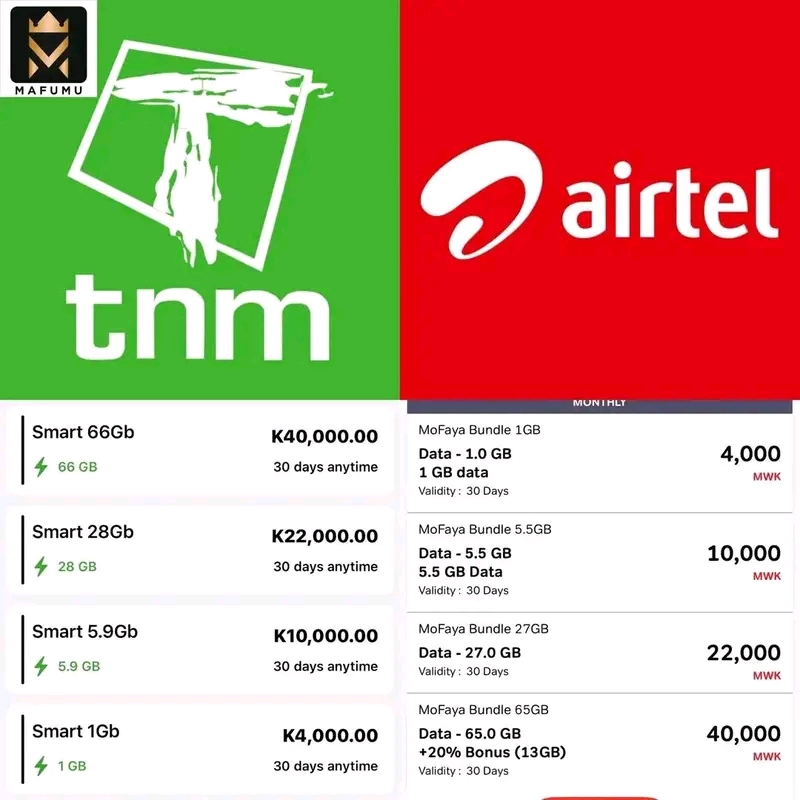
The concerns come after the Malawi Communications Regulatory Authority (MACRA) approved a 26 percent increase in mobile data tariffs, a move that has drawn criticism from some stakeholders who fear it could widen the digital divide, particularly among students and young people.CAMA Demands MACRA to Reverse Airtel and TNM Data Tariff Hikes Over Alleged Legal Violations
Despite the concerns, Minister of Information and Communication Technology Dr. Shadric Namalomba recently reaffirmed the government’s commitment to expanding digital access, saying Malawi aims to increase internet penetration to 80 percent within the next three years as part of efforts to strengthen the country’s competitiveness in the global digital economy.
Read also: Polling Underway in Malawi’s 2025 General Elections
Read also: MACRA Conference To Stop Spread Of Fake News
Read also: It said the FA board approved the decision last week and Tuchel signed a contract on 8 October.