By Burnett Munthali
Government spokesperson Moses Kunkuyu has attributed some of the challenges faced by the Malawi Congress Party (MCP)-led administration to damages caused during the Democratic Progressive Party’s (DPP) time in office. Kunkuyu was responding to remarks made by DPP leader Peter Mutharika, who, during his address to Malawians yesterday, criticized the MCP government for failing to govern effectively. Mutharika claimed that only the DPP could resolve the pressing issues currently affecting the country.
Kunkuyu refuted these claims, emphasizing that many of the problems the MCP government is grappling with were inherited from the previous regime. “The damage caused under the DPP’s leadership is significant, and it continues to affect progress in various sectors. The MCP government has had to invest time and resources to fix these issues while still pushing forward with its development agenda,” Kunkuyu stated.
This exchange of accusations between the two major political parties has reignited debates about leadership performance and accountability in Malawi’s governance. While the DPP insists that the MCP has failed to deliver on its promises, the MCP maintains that the current hardships are a result of systemic issues rooted in the previous administration.
Adding to the debate, political analyst George Phiri offered a critical perspective, arguing that both the MCP and DPP have failed to meet the expectations of Malawians during their respective tenures. “Both parties have had opportunities to lead this country, yet neither has delivered the transformative leadership Malawians hoped for,” Phiri said. He suggested that Malawi needs a fresh crop of leaders who can bring new ideas and prioritize the needs of citizens over political rivalry.
The back-and-forth between the MCP and DPP underscores the deep divisions in Malawi’s political landscape. With both parties blaming each other for the country’s challenges, many Malawians remain frustrated by the lack of tangible progress on critical issues such as unemployment, corruption, and the rising cost of living.
As the debate intensifies, calls for alternative leadership are growing louder. Many citizens are questioning whether the solution to Malawi’s problems lies within the two dominant parties or if it is time to explore new leadership options that prioritize the country’s development over partisan politics.
- EU Approves K271 Billion Development Package for Malawi

- Dzombe claims the country’s ground environment is not conducive to investors

- Batatawala Wanted as Police Probe Multi-Million Property Transfer Scam Allegations

- FDH Bank Plc, Ekhaya Group sponsor Gwamba’s ‘Landlord Pakwao’ concert

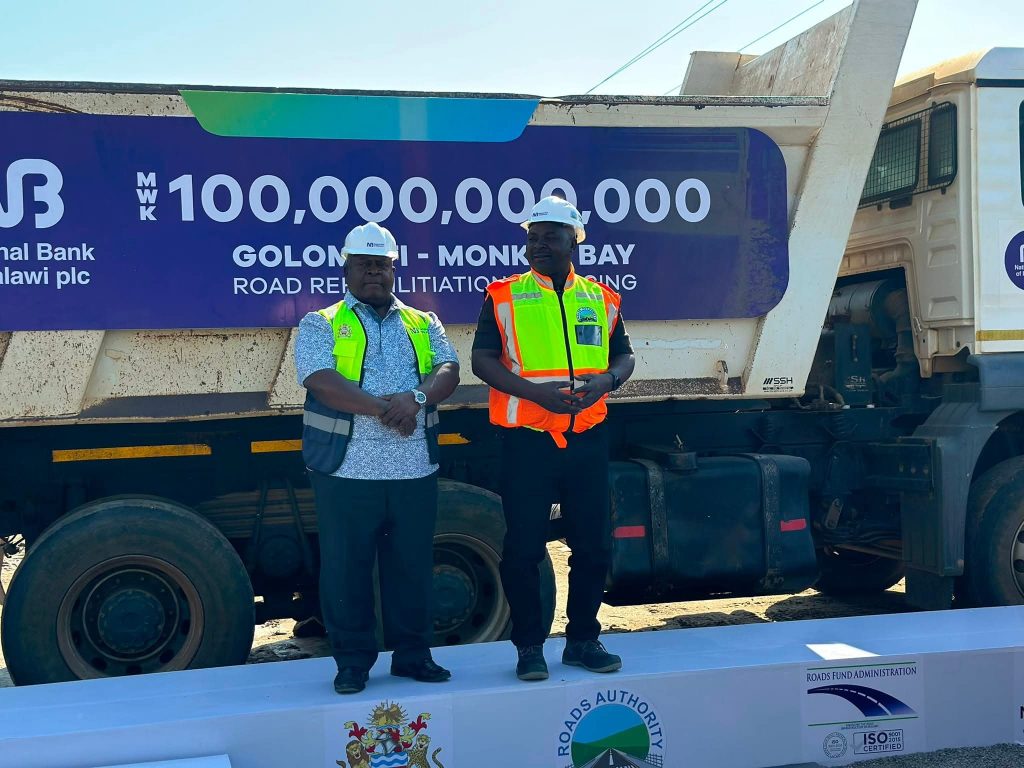
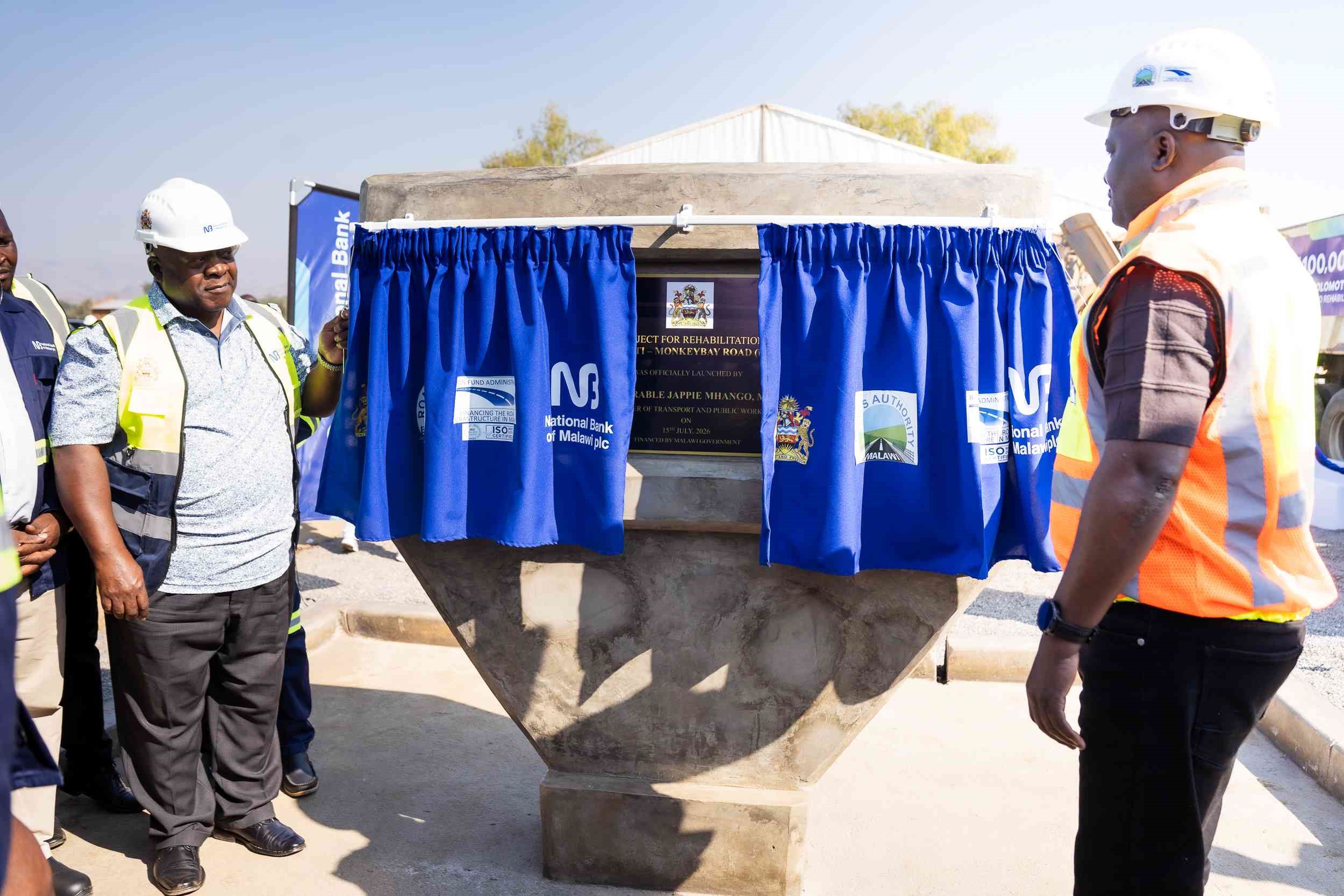
- Minister hails NBM Plc’s K100 billion Golomoti–Monkey Bay Road loan financing

- Mathanga Dismisses Kabambe Political Talks Claims

- Namadingo Joins Gift of the Givers to Support Malawians Returning from South Africa
- Calls Grow for Court Intervention and Interim Leadership Ahead of MAM Elections

- Malawian Linda Kachingwe-Sisya Appointed FNB South Africa Chief Marketing Officer

- Court Order Seals MEC Warehouse

- Mepa Explains Why Dowa Fertiliser Plant Approval Has Been Delayed

- Kampanikiza calls for urgency in Abdul Lapukeni Kapheni’s grave exhumation

- Two arrested over fake currency

- Parliament Launches High-Level Probe into Delays Affecting Mulalo Fertilizer Factory Project
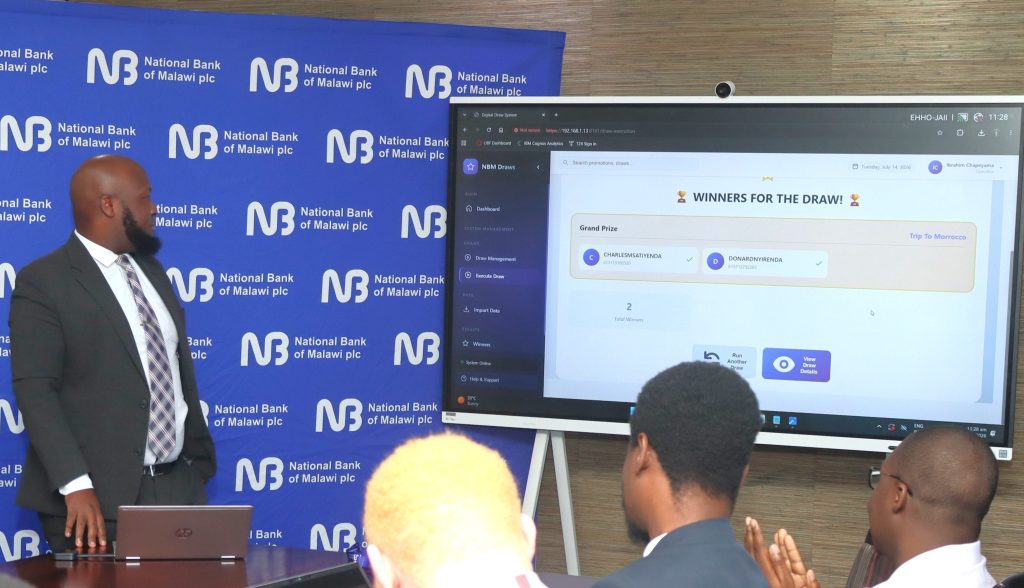
- NBM plc unveils 2 ‘Waku WAFCON’ grand prize winners

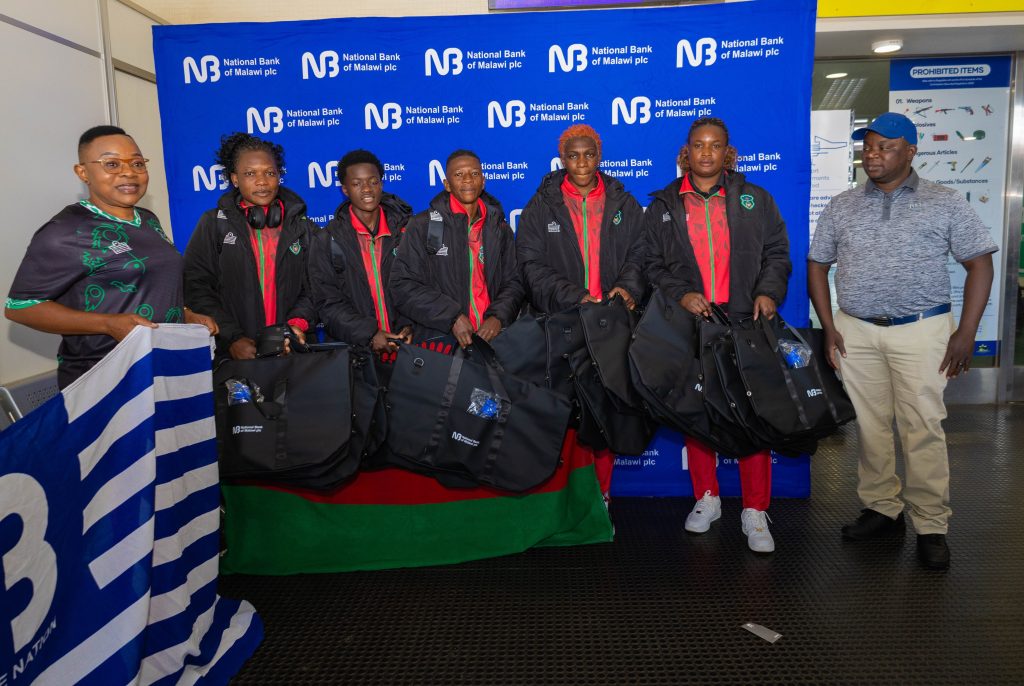
- NBM plc backs Scorchers as they depart for WAFCON

- Mangochi East Heads for Fresh Poll as Youth Forum Hails Supreme Court Victory

- BREAKING: Jappie Mhango Launches Final Phase of Golomoti–Monkey Bay Road Rehabilitation