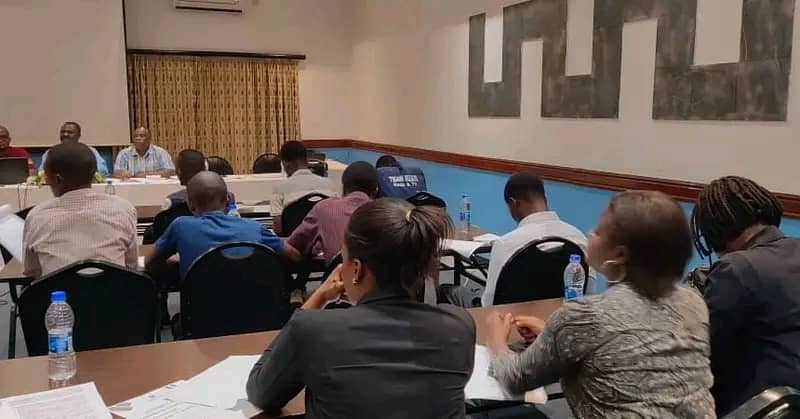
In a recent turn of events, Civil Society Organisations (CSOs) have called off their planned demonstrations against the Malawi Communications Regulatory Authority (MACRA) regarding its decision to procure a system designed to track and analyse misinformation and disinformation. The organisations, led by Concerned Citizens- People Power Movement (CC-PPM), have announced that they will give MACRA an opportunity to proceed with the procurement, following an engagement with the authority’s management on February 6, 2025.
The CSOs had initially planned to hold protests on February 13, 2025, in opposition to the system’s procurement, citing concerns about its potential to infringe on freedoms of expression and privacy. However, after a constructive dialogue with MACRA’s management, they have decided to halt the protests, indicating that their concerns had been addressed satisfactorily.
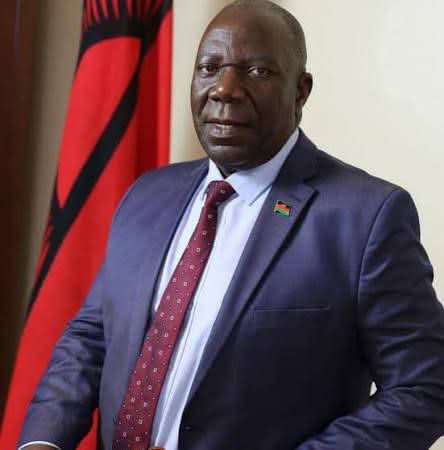
CC-PPM’s co-chairperson, Oliver Nakoma, expressed cautious optimism following the meeting, stating, “MACRA has demonstrated open dialogue on the matter, and most of our fears have been parried away.” Nakoma noted that the engagement had provided clarity on several issues that had initially raised alarm among the CSOs, particularly regarding the scope and intent behind the tracking and analysis system.
Nakoma further emphasized that the decision to call off the protests does not mean the CSOs are abandoning their oversight role. “However, should we find anything suspicious during the due diligence process, we will not allow the implementation of the system to proceed,” he warned. This statement suggests that while the CSOs are giving MACRA a chance to demonstrate good faith in the procurement process, they remain vigilant and committed to ensuring that any system implemented does not infringe upon fundamental rights or become a tool for political manipulation.
The engagement between the CSOs and MACRA was described as fruitful, with both sides acknowledging the importance of open communication. The authority has, according to Nakoma, provided assurances that the system will be designed and operated in line with the country’s legal and constitutional frameworks, and that any use of the system will be transparent and accountable. MACRA’s management, in turn, expressed willingness to work with the CSOs to ensure that the procurement process remains above board, with a commitment to addressing any legitimate concerns that may arise during the implementation of the system.
The decision to call off the protests marks a significant shift in the discourse surrounding the procurement of the misinformation tracking system. It reflects the possibility of productive engagement between government agencies and civil society, even on contentious issues. It also underscores the importance of ongoing dialogue and collaboration to ensure that policies, especially those related to media freedom and data privacy, are developed in a manner that is both effective and respectful of citizens’ rights.
While the immediate threat of demonstrations has been averted, the CSOs have made it clear that they will remain vigilant, promising to monitor the situation closely as the procurement process moves forward. They have also stated their intention to continue advocating for stronger safeguards to prevent any potential misuse of the system, particularly in a political climate where freedom of expression is a sensitive issue.
The situation highlights the delicate balance that must be struck between addressing the growing challenges of misinformation and disinformation and protecting fundamental freedoms, such as the right to free speech and privacy. The CSOs’ decision to engage with MACRA, rather than resorting immediately to public protests, may serve as a model for future interactions between civil society and government institutions, especially in the context of increasingly complex technological and regulatory challenges.
As Malawi continues to navigate the digital age, the role of civil society in holding public institutions accountable remains crucial. The outcome of this engagement will likely set the tone for how similar issues are handled in the future, particularly in relation to the regulation of digital platforms and the protection of democratic values in an increasingly interconnected world.
The CSOs have indicated that they will remain in close contact with MACRA throughout the procurement process and are committed to taking further action if necessary. With the potential for new developments in the coming weeks, all eyes will be on how the government and CSOs continue to navigate the delicate balance between combating misinformation and safeguarding citizens’ rights.