
 Suleman Chitera
 5 Oct 2026
 7 min read
Sameer Suleman is a Malawian politician whose public profile is closely associated with parliamentary representation and leadership in the National Assembly. This biography gives a measured overview of his background and career, distinguishing established public information from personal details that should not be treated as fact without reliable sourcing.
Sameer Suleman’s background and education
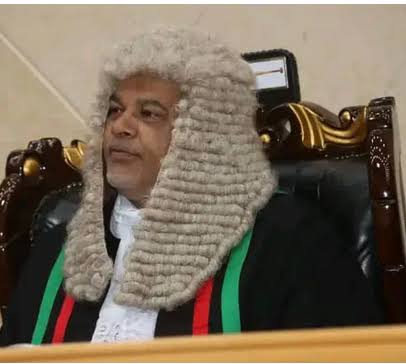
Public information about Sameer Suleman’s early life and education is limited compared with coverage of his political career. A careful biography should not fill those gaps with unsupported claims about his birth date, family, schooling or private life. Such details belong in a profile only when they are documented by dependable sources or confirmed by Suleman himself.
That distinction matters because online biographies often repeat details without showing where they came from. A claim appearing on several sites is not necessarily independently confirmed if those sites rely on the same original report. Readers can assess a biographical detail by checking whether it appears in a credible news report, an official parliamentary record, an election document or a direct public statement.
The most reliable starting point for understanding Suleman’s public background is the record of his political work: his constituency, party affiliation and parliamentary responsibilities. These can change over time, so readers should compare older profiles with newer reporting rather than assuming an earlier description remains current.
For context on developments connected to public figures and national affairs, readers can follow latest Malawi news. Current reporting can help place a politician’s public statements and roles in the circumstances in which they were made.
From public life to parliamentary politics

Suleman became a prominent public figure through parliamentary politics. His career is associated with the Democratic Progressive Party (DPP), and public reporting has connected him with Blantyre City constituency representation. Party affiliations and political roles are time-sensitive, however; the date and context of a report matter when describing them.
A clear account of a politician’s path into public life should separate three things: an election result, the political party under which a candidate contested, and later appointments or leadership positions. These are related, but they are not interchangeable. Election records establish who won a constituency contest; parliamentary records show a member’s formal role; news reports may describe political activity or internal party developments.
Malawi’s political landscape also changes through elections, parliamentary decisions and shifts in party leadership. To understand how one politician’s career fits into that wider setting, readers can consult reporting on Malawi political developments. Such context is useful, but it should not be used to infer a politician’s personal motives or positions beyond what is publicly documented.
When reading about Suleman’s early political profile, it helps to ask: Is the article reporting an official outcome or quoting a political actor? Is the information dated? Does it distinguish a party’s position from a government decision? Those checks help keep a biography informative without turning political commentary into fact.
Representing Blantyre City in Parliament
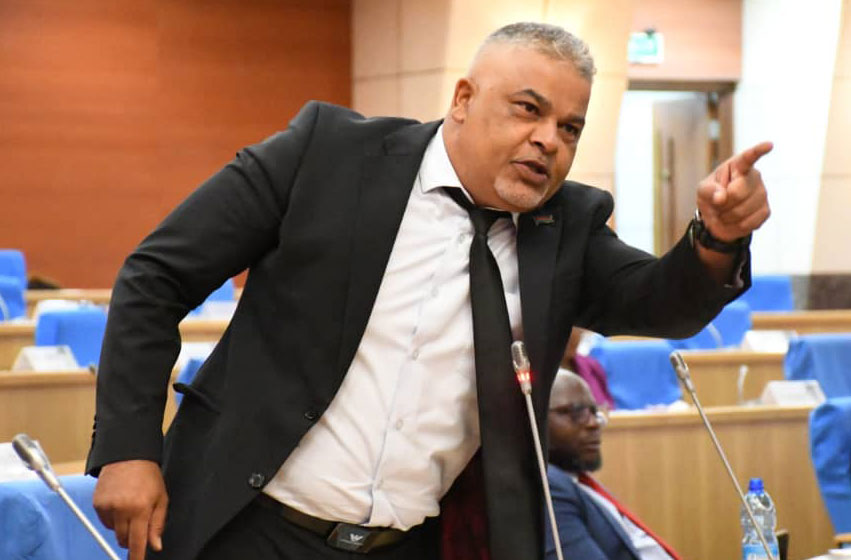
Suleman’s parliamentary profile is linked to Blantyre City. Constituency representation gives an MP a local role as well as a national one: the member participates in Parliament while also serving as a public representative for the area associated with the seat. Election records and official parliamentary information are the strongest places to confirm the precise constituency and the period of service.
A member of Parliament’s work is broader than speeches or media appearances. MPs participate in legislative business, scrutinise government, represent constituents and take part in parliamentary proceedings. Their public records can include debates, committee work, questions and votes, where those records are available. A single news story may show one aspect of a representative’s work, but it does not necessarily describe the full record.
Readers following constituency politics can look for dated reports that identify the specific issue, the location and the people or institutions involved. That makes it easier to distinguish a direct statement by an MP from a report about a wider political dispute. For example, economic or public-sector reporting may mention politicians alongside institutions and businesses; the wording and evidence in each report should be read carefully. Malawi Freedom Network’s report, Faizal Latif of Mapeto implicated in Mera MK300 million saga, illustrates why readers should attend to attribution in coverage involving allegations. An allegation reported in the news is not, by itself, proof of wrongdoing.
For any politician, constituency service is also different from parliamentary leadership. An MP may represent local concerns in the House without holding a leadership office, while a parliamentary leader has additional responsibilities connected to the institution. Keeping those roles separate makes a biography more accurate and helps readers understand what a particular title means.
Leadership roles and later career milestones
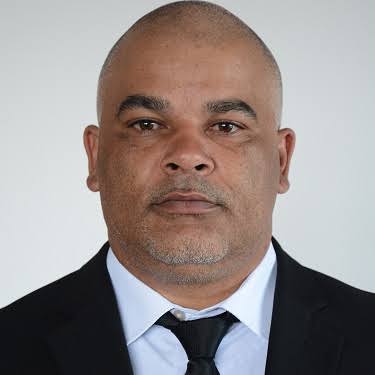
Suleman’s public career has included parliamentary leadership. He has been reported as serving as Speaker of Malawi’s National Assembly, a position that carries responsibilities distinct from those of an ordinary MP. Because leadership appointments and parliamentary terms are tied to formal decisions, readers should use official records and dated reporting to confirm the timing and status of a role.
The Speaker’s work concerns the conduct of parliamentary proceedings. The office presides over sittings, applies the House’s rules and supports the orderly consideration of business. This is an institutional role, not simply a senior political title. The Speaker’s authority and duties should be understood through the Constitution, parliamentary standing orders and official parliamentary explanations.
When following a leadership milestone, readers should check what happened and when. A report may cover a nomination, an election by members, an assumption of office or a later change in status; those events are not the same. Where a claim is contested, the relevant parties’ statements should be attributed, and the outcome should be checked against formal records when available.
A useful way to read the career timeline is to group information into three categories:
- Confirmed public roles, such as an elected constituency seat or a formally recorded parliamentary office.
- Reported political developments, which should be dated and attributed to the outlet or speaker reporting them.
- Personal or background claims, which require a reliable source and should not be repeated merely because they circulate online.
This approach provides a more useful account than a list of unverified biographical details. It also gives readers a practical way to follow later developments without confusing political debate with institutional fact.
Sameer Suleman FAQs
What constituency does Sameer Suleman represent?
Suleman is associated with Blantyre City constituency in public reporting. For the current parliamentary term and precise constituency designation, check the latest official election or parliamentary record.
Which political party is Sameer Suleman affiliated with?
Suleman is associated with the Democratic Progressive Party (DPP). Party affiliation can change, so consult recent, dated reporting or official records when confirming his current status.
How can constituents contact Sameer Suleman’s parliamentary office?
Use contact details published through official parliamentary or constituency channels, and confirm they are current before sharing personal information. Avoid relying on unverified phone numbers or social media posts.
What responsibilities does a member of Parliament have in Malawi?
An MP represents constituents, participates in making laws and scrutinises government through parliamentary work. Specific duties may also include committee assignments and other responsibilities set by Parliament.
How is the Speaker of Malawi’s Parliament chosen?
The Speaker is elected by members of the National Assembly under the applicable constitutional and parliamentary rules. Consult official parliamentary information for the procedure and rules in force at the time of an election.
What is the difference between an MP and the Speaker?
An MP represents a constituency and takes part in parliamentary business; the Speaker presides over House proceedings and applies its rules. The Speaker holds an institutional leadership office in addition to being a member of the House.
Where can readers find official updates about Malawi’s Parliament?
Check the Parliament of Malawi’s official communications and records for notices, proceedings and office-holder information. Dated news coverage can add context, but official records are useful for confirming formal decisions.
How can readers distinguish confirmed biographical details from online claims?
Look for a dated, credible source that identifies where the information came from, and compare it with official records or direct statements. Treat unsourced personal details and unattributed allegations cautiously.
How to follow Suleman’s public career
A public figure’s biography is not a fixed record: constituency details, political roles and parliamentary offices can change. When checking a current claim about Suleman, first identify the date, then look for the original source—such as a parliamentary record, an election document, a direct statement or a clearly attributed news report.
For statements or allegations, notice who is speaking and whether the report distinguishes an assertion from a confirmed finding. For leadership changes, check whether the source describes a proposal, a vote or a completed appointment. These simple steps help readers follow developments without treating every headline or social post as established fact.
Malawi Freedom Network covers national affairs and public developments for readers following the country’s news. Pairing current reporting with official records gives a fuller picture of what has changed in Suleman’s public career and what remains part of the historical record.
Suleman Chitera is a Malawi-based editor with experience covering national affairs, public institutions, and the issues shaping daily life across the country. He oversees reporting on politics and breaking developments, drawing on local sources and careful verification. His writing prioritizes clear, timely updates and context that helps readers understand what events mean for Malawi.