Nearly a year after assuming office, the Democratic People’s Party (DPP) administration is increasingly being seen as making tangible progress in implementing key commitments outlined in its 2025 election manifesto, with developments emerging across multiple sectors of the economy.
From improved fuel availability and infrastructure projects to education reforms, innovation initiatives, and economic policy adjustments, observers say the government is laying the foundation for its long-term vision of transforming Malawi into a prosperous and self-reliant nation.BMTV advises DPP ministers to love one another
Fuel Situation Improves
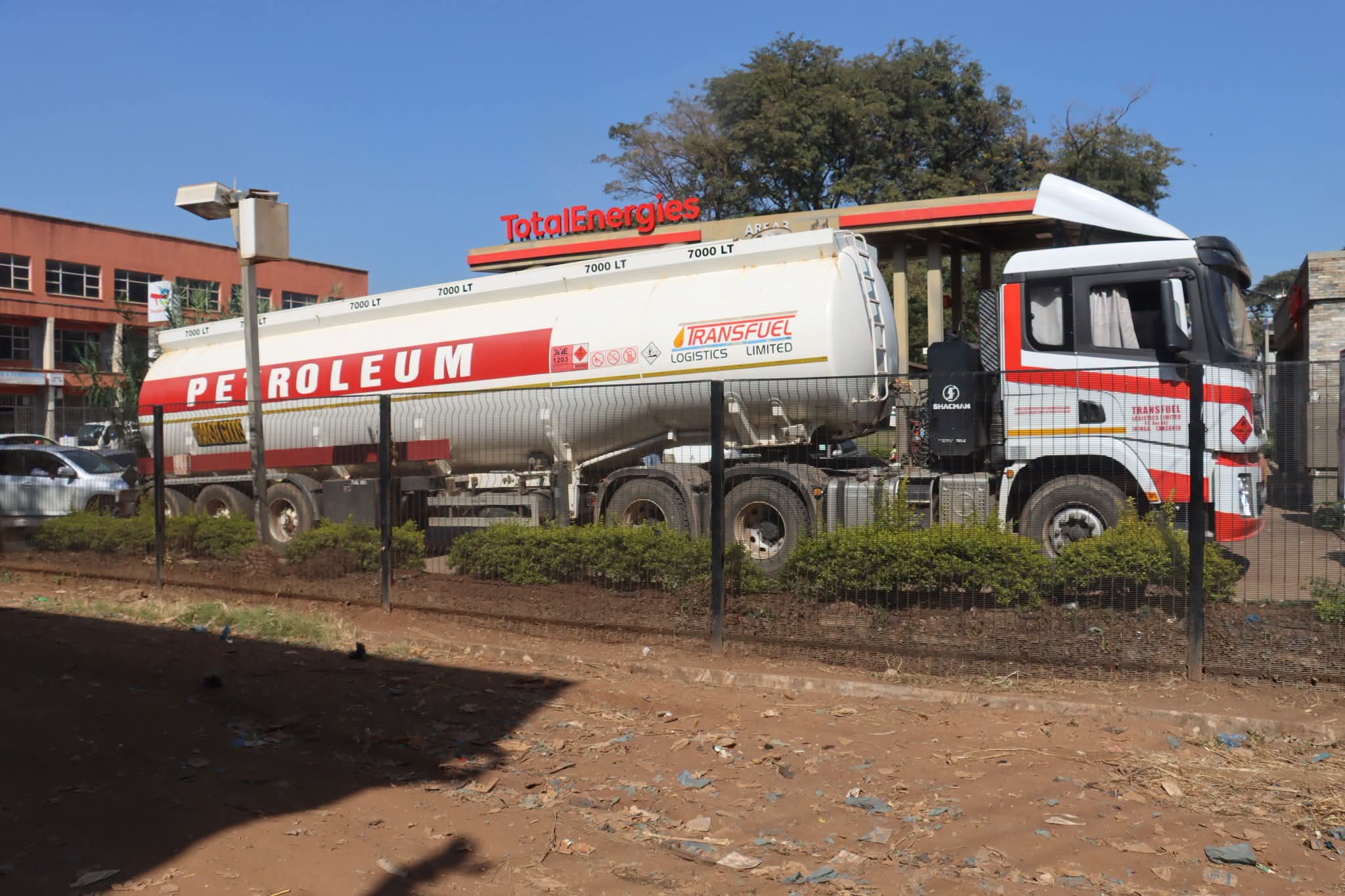
One of the most visible changes has been the improvement in fuel supply across the country.
Not long ago, motorists were spending hours in fuel queues amid uncertainty over when the next delivery would arrive. However, recent updates from the Malawi Energy Regulatory Authority (MERA) indicate a more stable supply chain, with fuel tankers continuing to enter the country and regular deliveries reaching service stations nationwide.DPP Diaspora RSA Warns Malawians Against Repatriation Bus Scam
In one update issued last week alone, MERA announced fuel deliveries to 22 filling stations across the Southern, Central, and Northern regions, a development that has significantly eased concerns over fuel shortages.
Governance expert Dr. George Chaima believes the DPP manifesto is distinctive because it combines immediate interventions with long-term development goals.
“What I have observed is that the manifesto focuses on both short-term and long-term infrastructure projects, human rights, and a people-centred economic agenda,” said Chaima. “The government seems determined to transform Malawi into a prosperous, self-reliant, industrialised, upper-middle-income country.”
He pointed to the increase of the Constituency Development Fund (CDF) to K5 billion per constituency, along with reforms aimed at improving accountability and efficiency in fund management, as examples of efforts to decentralise development and accelerate service delivery.
Economic Reforms Showing Early Results
On the economic front, Chaima noted that recent monetary policy adjustments indicate a shift toward growth-oriented economic management.
“On the financial local market, the policy rate has dropped from 26 percent to 24 percent within months, not years, leading to reduced inflation. This indicates a significant economic shift towards growth,” he said.
The government has consistently emphasised economic recovery, job creation, and increased productivity as central objectives of its development agenda.
Chaima highlighted the implementation of free primary and secondary education as one of the government’s notable achievements.
“People doubted that it would be possible to run free primary and secondary education without associated fees. Here we are, nine months down the line, and things are happening,” he said.
He further noted that payment of overdue pensions and gratuities has commenced, bringing relief to many retirees and vulnerable citizens.
Mining and Energy Drive Economic Transformation
Mining, energy, infrastructure, and industrialisation remain central pillars of the DPP’s economic transformation strategy.
Since taking office, the government has introduced reforms aimed at promoting value addition in the mining sector while advancing major investments such as the Kasiya Rutile and Graphite Project, which is expected to generate employment opportunities and boost foreign exchange earnings.
In the energy sector, progress on the Mpatamanga Hydropower Project is viewed as a significant step toward increasing electricity generation capacity and expanding access to reliable power, a key requirement for industrial growth and economic competitiveness.
Infrastructure Development Gains Momentum
The rehabilitation of major sections of the M1 Road between Lilongwe and Blantyre is among the flagship infrastructure projects currently underway.
The road serves as one of Malawi’s most critical transport corridors and is expected to improve connectivity, reduce transport costs, and facilitate trade and investment once completed.
The DPP administration has also placed increasing emphasis on innovation, technology, and digital transformation.
Its manifesto outlines commitments to expand broadband connectivity, support digital entrepreneurship, encourage innovation, and create technology-driven employment opportunities.
Global climate and energy innovator and MI Technologies and Innovations founder Innocent Mandili has welcomed the government’s efforts to promote innovation among young people.
“I have seen positive government efforts to promote ICT and innovation. Initiatives like the Youth Innovation Fund are giving young people an opportunity to turn ideas into businesses and solutions that can transform communities,” Mandili said.
He also praised government efforts to support social media local content monetisation and the broader digital economy.
“The push for local content monetisation and the digital economy is also a step in the right direction,” he said.
However, Mandili stressed that additional support is needed to maximise the sector’s potential, including increased funding opportunities, training programmes, stronger innovation hubs, improved intellectual property protection, and expanded market access for locally developed technologies.Mutharika proves that he is not hospitalized in South Africa
Mandili believes Malawi has the human capital necessary to become a regional leader in innovation and technology if collaboration among key stakeholders is strengthened.
“We must develop practical solutions to national challenges, collaborate, and build technologies that create jobs and drive economic growth,” he said.
“I believe Malawi has the talent to become a regional innovation hub. With stronger partnerships between government, the private sector, and innovators, we can build a competitive digital economy that benefits everyone.”
Looking Ahead
Political analysts note that the implementation of manifesto promises often becomes one of the most important benchmarks by which governments are judged.
While many of the DPP administration’s long-term commitments remain in their early stages, ongoing developments in fuel supply management, infrastructure, economic reforms, education, social protection, mining, energy, and innovation are increasingly being cited as evidence that the government is moving to translate campaign promises into measurable action.Mwanamvekha Defends Tax Hikes, Says Malawi Was on the Brink of Financial Collapse
The ultimate test, observers say, will be whether these early achievements can be sustained and expanded into lasting improvements that positively impact the lives of ordinary Malawians and support the country’s broader development aspirations.