
 Suleman Chitera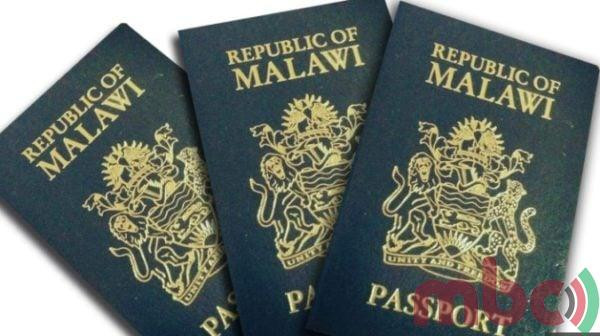
By Suleman Chitera
The Malawi Government has reaffirmed its commitment to digitising passport processing, a move expected to transform the country’s immigration services by reducing corruption, shortening waiting times and improving convenience for thousands of passport applicants.
The development follows a proposal by Mwanza Central Member of Parliament Felix Njawala, who urged the government to introduce an online passport application and tracking system that would allow citizens to submit applications and monitor their progress without repeatedly visiting immigration offices.
Speaking in Parliament, Njawala said modern technology offers an opportunity for Malawi to improve public service delivery while addressing long-standing concerns surrounding passport issuance.President Mutharika Urged to Revoke Nir Ges’ Diplomatic Passport Amid Outgoing MCP Scandal
He argued that a digital passport processing system would reduce unnecessary delays and eliminate the need for applicants to spend hours in queues at immigration offices.
According to the legislator, applicants should be able to track the status of their passports through a dedicated mobile application or an online portal, giving them real-time updates on every stage of the application process.
Njawala said introducing digital services would not only improve efficiency but also promote transparency by reducing opportunities for corruption that often arise when applicants have to rely on physical interactions with officials.
His proposal comes at a time when many Malawians have repeatedly complained about lengthy passport processing periods, overcrowded immigration offices and the inconvenience of making multiple visits to follow up on their applications.Investigative Report: How Nir Ges Obtained a Diplomatic Passport in Malawi
Responding to the concerns, Minister of Homeland Security Peter Mukhitho confirmed that government is already working towards digitising passport services as part of broader efforts to modernise public service delivery.
Mukhitho told Parliament that plans to introduce the new system are already in the pipeline and assured lawmakers that citizens will eventually be able to access passport services through an online platform.
Once operational, applicants will be able to submit applications and access various passport-related services through a government website, significantly reducing the need for physical visits to immigration offices.Diplomatic Passport Scandal in Malawi: Questions Surrounding Nir Gess and Abuse of State Privileges
The minister agreed with Njawala that digitising passport processing has the potential to improve service delivery while limiting direct interactions between applicants and immigration officers.
Reducing face-to-face interactions is widely viewed as one of the most effective ways of minimising opportunities for corruption, favouritism and illegal payments that sometimes arise in manual public service systems.
Experts have consistently argued that digital government services improve accountability because every application can be tracked electronically, making it easier to monitor processing times and identify delays.
The proposed reforms also align with the government’s broader digital transformation agenda aimed at improving efficiency across public institutions through the use of information and communication technologies.Investigative Report: Questions Continue to Follow Malawi’s Honorary Consul to Israel, Nir Gess
If successfully implemented, Malawi would join a growing number of African countries that have adopted online immigration services to make passport applications faster, more transparent and more accessible.
Digital passport systems have become increasingly common across the continent, enabling citizens to apply online, upload required documents, make electronic payments and receive updates without travelling long distances.
Such systems also help government institutions maintain accurate digital records while reducing paperwork and administrative costs.
For ordinary Malawians, the planned reforms could mean significant savings in both time and transport costs, particularly for people living in rural areas who often travel long distances to immigration offices.
Business people, students, tourists and workers seeking travel documents are also expected to benefit from a more efficient passport processing system.
Although the government has not yet announced a timeline for rolling out the digital platform, Mukhitho’s confirmation signals that authorities are moving forward with plans to modernise one of the country’s most important public services.
As Malawi continues pursuing digital reforms across government institutions, expectations remain high that the planned passport processing system will enhance transparency, restore public confidence and improve access to essential immigration services.Malawi–Israel Job Scam Exposed? Recruitment Agents Accused of Exploiting Desperate Malawians with K2.5 Million Charges
If implemented effectively, the initiative could mark a significant step towards a more efficient, accountable and citizen-centred immigration system that meets the needs of a modern digital economy.