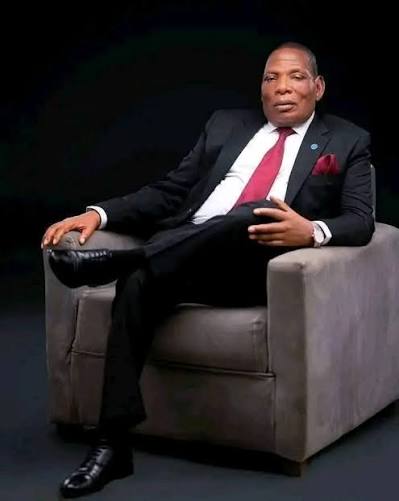
 Suleman Chitera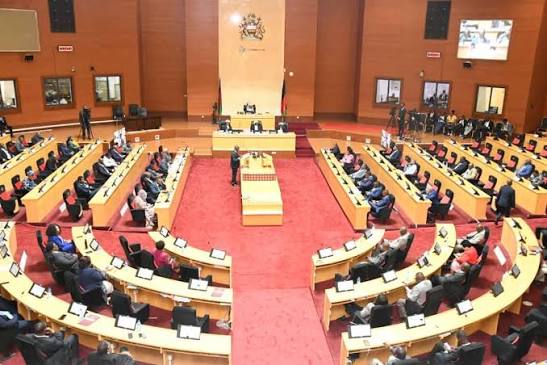
By Suleman Chitera
Some citizens, civil society groups and political stakeholders are calling on Members of Parliament to prioritise accountability over several high-profile public finance controversies that emerged between 2020 and 2025.
The calls centre on allegations of financial mismanagement, procurement irregularities and corruption involving various government institutions during the previous administration. While several investigations were launched and some matters remain before investigative agencies or the courts, campaigners argue that Parliament has a constitutional responsibility to ensure public funds are properly accounted for.
Also Why Lazarus Chakwera Failed as President of Malawi
Among the issues attracting renewed public attention are allegations of fraudulent Value Added Tax (VAT) refund claims involving officials at the Malawi Revenue Authority (MRA). Reports suggested that the country may have lost billions of kwacha through suspected fraudulent refund schemes allegedly involving collusion between some MRA employees and external parties. Citizens are demanding that investigators disclose the full extent of the losses and identify everyone found responsible.
Questions have also persisted over procurement at the National Economic Empowerment Fund (NEEF), particularly a contract reportedly valued at more than MK2.1 billion involving motorcycles and other supplies. Allegations surrounding procurement procedures prompted calls for investigations, with accountability advocates urging authorities to publish the findings and recover any public funds that may have been lost through unlawful conduct.
Dont miss Lobin Lowe Implicated in Fertilizer ‘Butchery’ Scandal
Agricultural procurement has similarly remained under scrutiny. Fertiliser supply arrangements between 2023 and 2025 generated widespread concern after several contracts reportedly experienced implementation failures. Public attention focused particularly on the Barkaat Foods fertiliser supply controversy and subsequent procurement arrangements that critics argued exposed taxpayers to significant financial risks. Stakeholders continue to demand greater transparency in the award, management and monitoring of strategic agricultural contracts.
Fuel procurement has also featured prominently in anti-corruption discussions. Since 2021, several investigations and arrests involving public officials have been linked to allegations surrounding fuel procurement and supply contracts. Although some investigations have progressed through law enforcement agencies, members of the public continue to call for comprehensive disclosure of findings and the recovery of any public money proven to have been lost through corruption or abuse of office.
Read this Government To Update On 6.8 Billion US Dollar Grant
Another issue that continues to generate strong public interest is the management of COVID-19 response funds. Billions of kwacha allocated to support Malawi’s pandemic response became the subject of investigations following allegations of misuse. Accountability campaigners argue that every kwacha intended for healthcare and emergency response should be fully accounted for, with anyone found responsible facing prosecution and any stolen funds recovered.
Questions have also been raised regarding public expenditure connected to the Bridgin Foundation initiative, including reported costs relating to chartered flights, accommodation, transport and other services. Critics have called for a comprehensive parliamentary inquiry to establish whether procurement procedures were followed, whether value for money was achieved, and whether any public funds were improperly spent.
Food security procurement has likewise remained under public scrutiny. Maize procurement programmes intended to protect vulnerable households have faced allegations of procurement irregularities and financial losses. Citizens are urging oversight institutions to complete investigations, publish their findings and ensure that anyone found responsible is held accountable under the law.How Malawi’s gold is secretly flowing out to Isreal— and why authorities remain silent
Governance experts argue that these matters extend beyond partisan politics. They say Parliament’s oversight role includes ensuring transparency in the management of public resources regardless of which political party is in government. They further contend that public confidence in state institutions depends on independent investigations, timely prosecutions where evidence exists, and the recovery of public funds where wrongdoing is established.
As Parliament resumes its work, many Malawians are expected to watch closely for renewed efforts to strengthen oversight, demand accountability from public institutions and ensure that allegations of corruption and financial mismanagement are investigated thoroughly, fairly and transparently in accordance with the law.Malawi–Israel Job Scam Exposed? Recruitment Agents Accused of Exploiting Desperate Malawians with K2.5 Million Charges