 Malawi Freedom Network
By Mawa Kumaliwopa
Public anger is rising, and it is not without cause. Across Malawi, citizens are speaking with one voice: if Chimwendo Banda is found guilty of the allegations leveled against him, the punishment must be firm, decisive, and exemplary. Anything less would confirm a long-held suspicion—that political power in Malawi still offers protection from justice.
For decades, Malawians have watched corruption scandals unfold in a familiar pattern. Allegations emerge. Investigations drag on. Courts move slowly. In the end, consequences are weak or nonexistent. The result has been catastrophic: public resources looted, institutions weakened, and citizens pushed deeper into poverty while a politically connected few prosper.
This case, however, has become more than a legal matter involving one individual. It is now a national test of credibility for Malawi’s justice system and political leadership.
No One Should Be Above the Law
At the heart of public outrage is a simple principle: the law must apply equally to all. When ordinary citizens commit crimes, the state acts swiftly and decisively. Yet when senior politicians are implicated, the system suddenly becomes cautious, technical, and forgiving.
Malawians are saying enough.
If Chimwendo Banda is found guilty, a lenient sentence would send a dangerous message—that political office is a shield against accountability. A stiff penalty, on the other hand, would mark a turning point, demonstrating that power no longer guarantees impunity.
Deterrence Matters
Harsh punishment is not about vengeance; it is about deterrence. Malawi’s political culture has normalized misconduct because the risks have been low and the rewards high. Strong sentencing would fundamentally alter that calculation.
Other politicians are watching closely. A decisive outcome would warn those in public office that abuse of power comes at a real and personal cost—loss of freedom, reputation, and political career.
A Chance to Restore Public Trust
Trust in government institutions is at its lowest point in years. Citizens struggle with rising prices, unemployment, and collapsing public services, while corruption scandals dominate headlines. Many feel abandoned by leaders who were elected to serve, not exploit.
This case offers a rare opportunity to rebuild confidence. A transparent process, followed by appropriate punishment if guilt is proven, would show that the state still works for the people—not for elites.
History Is Watching
How Malawi handles this matter will be remembered long after court proceedings end. It will define whether the country is serious about reform or merely repeating old habits under new slogans.
The public has made its position clear. Justice must not whisper—it must speak loudly. If guilt is established, the punishment must be strong enough to echo across the political landscape and signal the beginning of a new era of accountability.
- US Eyes Greater Investment in Malawi as American Chamber of Commerce Launches
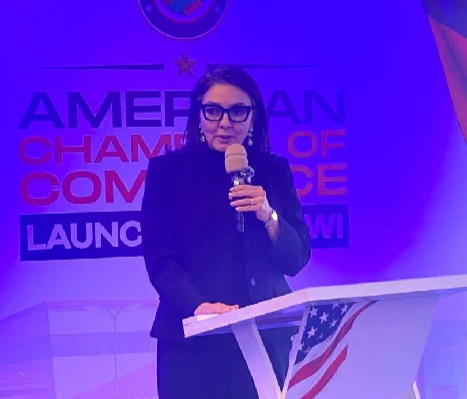 Share Listen to this article By Suleman Chitera | August 25, 2026 The United States has welcomed the establishment of the American Chamber of Commerce in Malawi, describing it as a significant new chapter in strengthening trade, investment and economic cooperation between Malawi and the United States. Read moreNEEF Customers Demands Their Deposit BackSpeaking during…
 - BREAKING: Former Electoral Body Chief Andrew Mpesi ArrestedShare Listen to this article By Our Reporter Former electoral body chief Andrew Mpesi has reportedly been arrested after appearing before the police’s Financial Crimes Investigation Unit in Lilongwe. Read moreBiography Of Dr Thomson MpinganjiraMpesi was summoned to the unit as part of an investigation into suspected financial crimes. His lawyer, Chrispine Ndalama, says the…
- DNA Results in Malawi: 80% Non-Paternity Rate Reported Among Men Testing After Suspecting InfidelityShare Listen to this article By Suleman Chitera25 August 2026 Recent DNA paternity testing figures reported in Malawi have sparked a national conversation about fatherhood, trust, relationships and the growing demand for scientific evidence in family disputes. Read moreCorrupt Mafia Batatawala Case Commence On 25 April 2022According to reports published by The Nation, genetics scientist…
- MEC Dismisses Reports That Chairperson Was Stopped From Leaving MalawiShare Listen to this article By Suleman Chitera The Malawi Electoral Commission (MEC) has dismissed reports circulating on social media alleging that its Chairperson, Justice Annabel Mtalimanja, and other senior officials were stopped by police from leaving the country at Kamuzu International Airport. Read moreAhmed Dassu Ask ACB To Investigate President Chakwera On NOCMA ContractIn…
- Muluzi Demands Evidence Over K1 Million ESCOM Guards AllegationsShare Listen to this article By Suleman Chitera | August 25, 2026 United Democratic Front (UDF) president Atupele Muluzi has challenged Situation Malawi to provide evidence for allegations linking him to a purported promise to pay former ESCOM security guards K1 million each. Read moreIsraeli-Born Malawi Parliament Member: Actions, Not Words, Will Change Africa for…
- Flames Legends Receive K8 Million Boost for Medical Scheme, AGMShare Listen to this article By Suleman Chitera25 August 2026 The Flames Legends Association (FLA) has received a combined K8 million from two corporate companies to support its activities, including the welfare of former Malawi national football players. Read moreSulom unpacks revised prizesSimama Hotel contributed K5 million, while Austo Brake & Clutch donated K3 million,…
- Ireland Ambassador Says Malawi Can Become Major Legume Producer
 Share Listen to this article By Suleman Chitera Irish Ambassador to Malawi Kate Brady says Malawi has the potential to become a key player in legume production, highlighting the crop’s importance in strengthening food security and improving livelihoods. Read moreMalawi Is Sovereign State, No need US/UK To Tell Us What To DoBrady made the remarks…
 - Professor Arthur Peter Mutharika: A Statesman with a Vision for Malawi’s Future
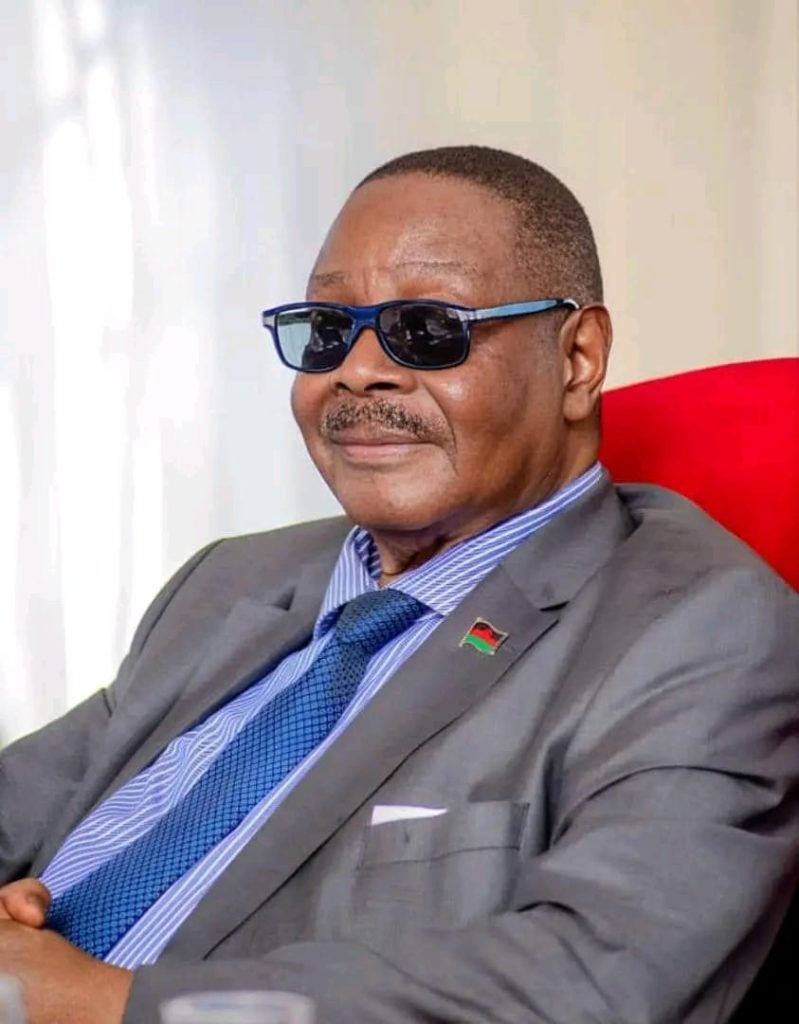 Share Listen to this article By Suleman ChiteraAugust 25, 2026 Malawi needs leadership that looks beyond the challenges of today and remains firmly focused on building a stronger, more peaceful and prosperous future. Read moreBiography Of Dr Thomson MpinganjiraIn His Excellency Professor Arthur Peter Mutharika, Malawi has a leader whose political journey, academic background and…
 - Lilongwe Muslims Celebrate Ziyara, Call for Peace, Unity and Compassion Across Malawi
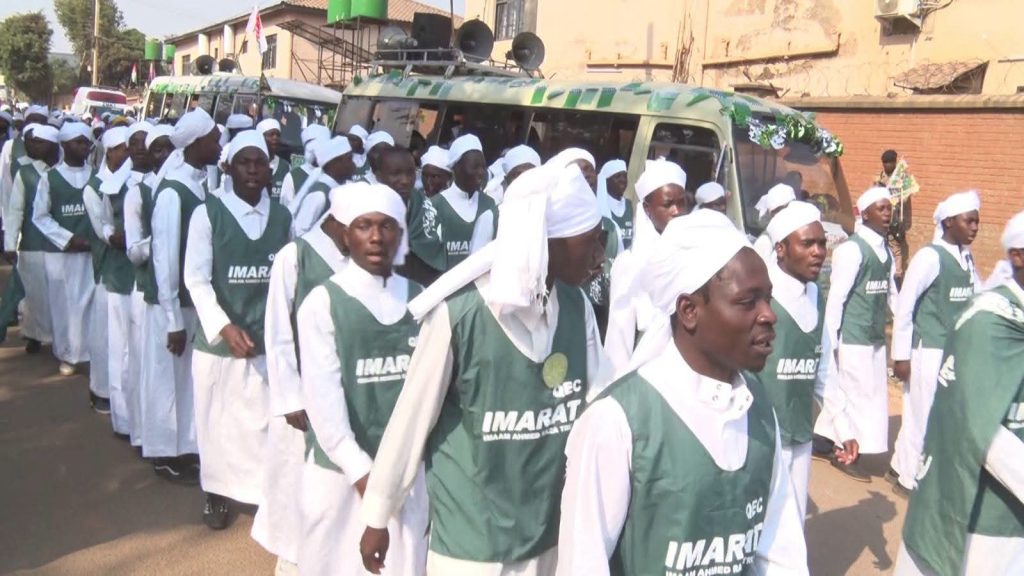 Share Listen to this article By Suleman ChiteraAugust 25, 2026 | Lilongwe, Malawi Muslims in Lilongwe today gathered to celebrate Ziyara, an annual occasion marked by worship, spiritual reflection, fellowship and the strengthening of bonds among members of the Muslim community. Read moreMalawi Is Sovereign State, No need US/UK To Tell Us What To DoThe…
 - Malawi Police Service Gets New Leadership in Administration
 Share Listen to this article By Suleman ChiteraAugust 25, 2026 The Malawi Police Service has strengthened its senior leadership following the appointment of Evalista Mvula Chisale as Deputy Inspector General of Police responsible for Administration, with immediate effect. Read moreCorrupt Mafia Batatawala Case Commence On 25 April 2022The appointment was made by the Malawi Police…
 - DPP Leadership Under Professor Arthur Peter Mutharika Promises Stability, Development and Stronger Governance
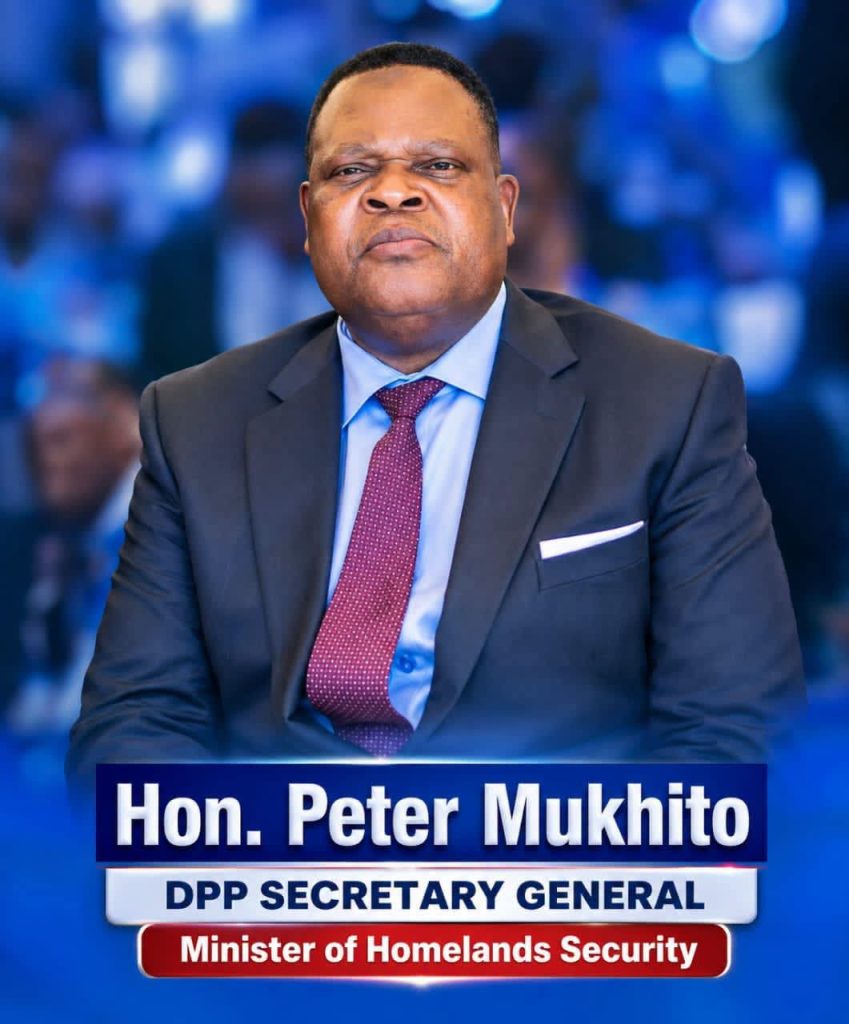 Share Listen to this article By Suleman ChiteraAugust 25, 2026 The leadership of the Democratic Progressive Party (DPP), under the stewardship of President Professor Arthur Peter Mutharika, is positioning itself as a government focused on restoring stability, strengthening national institutions and accelerating Malawi’s development agenda. Read moreIsraeli-Born Malawi Parliament Member: Actions, Not Words, Will Change…
 - Shire Valley Media praises Press Cane’s operational transparency
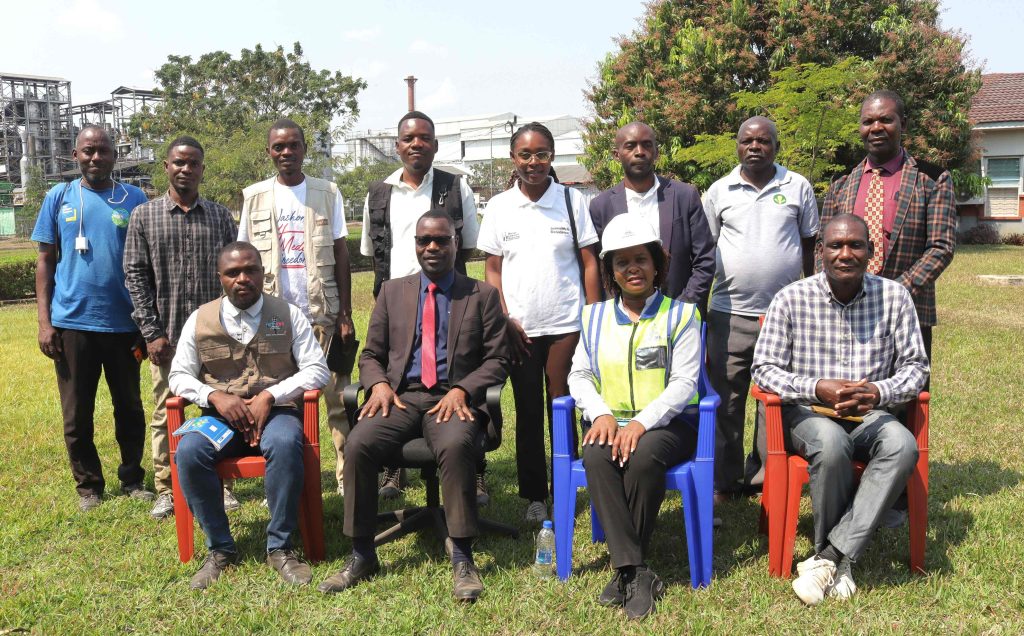 Share Listen to this article By Suleman Chitera Shire Valley Media Club has commended PressCane Limited for opening its operations to journalists, saying the company’s decision to host a first-hand tour has helped provide a clearer understanding of its activities, challenges and contribution to the region. Read moreCorrupt Mafia Batatawala Case Commence On 25 April…
 - The Mpinganjira Derby, father-son face off
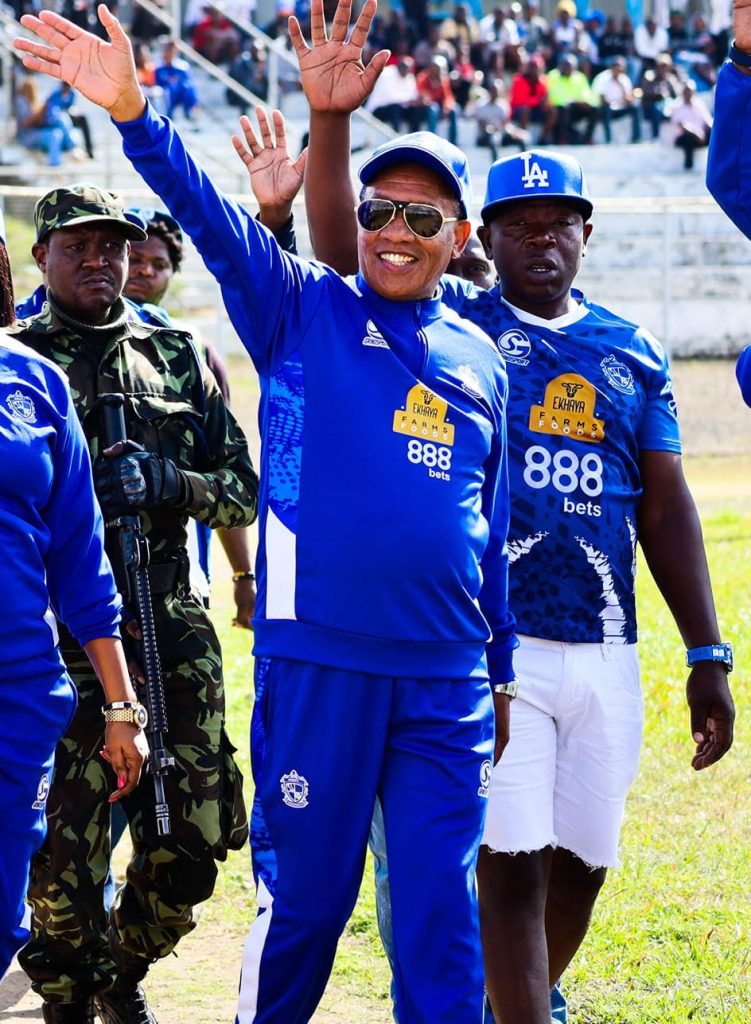 Share Listen to this article Wanderers face Ekhaya FC in Airtel Top 8 final By Suleman Chitera Read moreSulom unpacks revised prizesIt is going to be epic! It is going to be history in the making for Malawian football administration and sponsorship. Mighty Wanderers, sponsored by business mogul Thom Mpinganjira will battle it out against…
 - Scorchers Reap Millions After Historic World Cup Qualification
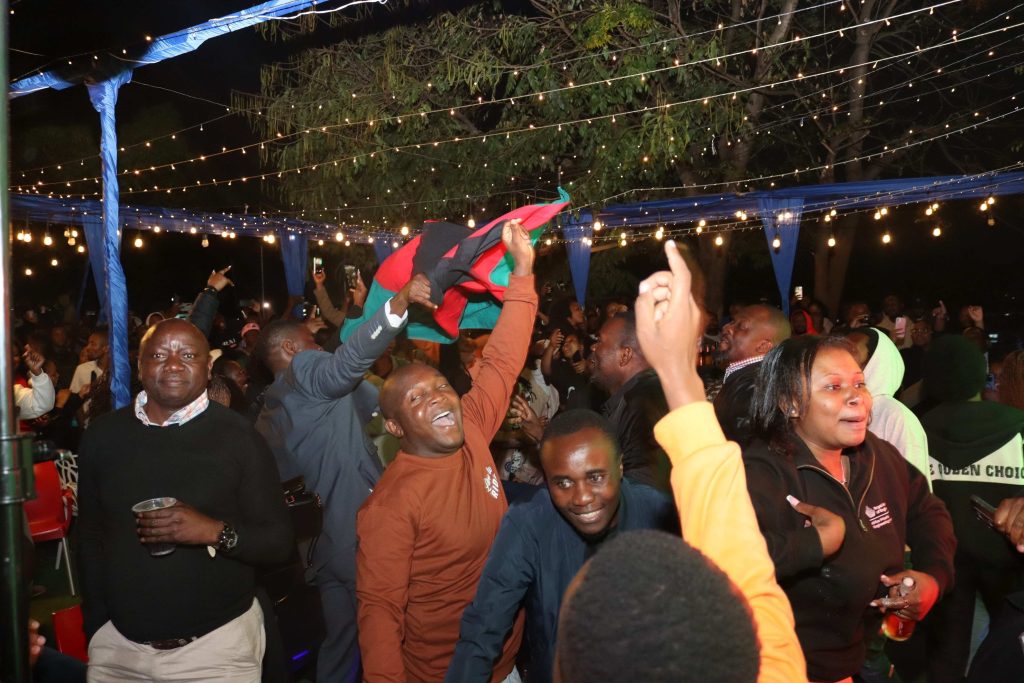 Share Listen to this article By Suleman ChiteraAugust 25, 2026 LILONGWE, Malawi — Malawi’s historic Scorchers campaign at the 2026 Women’s Africa Cup of Nations (WAFCON) continues to bring financial rewards, with the national women’s football team receiving millions of kwacha in recognition of its remarkable achievement of qualifying for the 2027 FIFA Women’s World…
 - Malawi Power Crisis Deepens as EGENCO Reveals Major Generation Problems and More Blackouts Loom
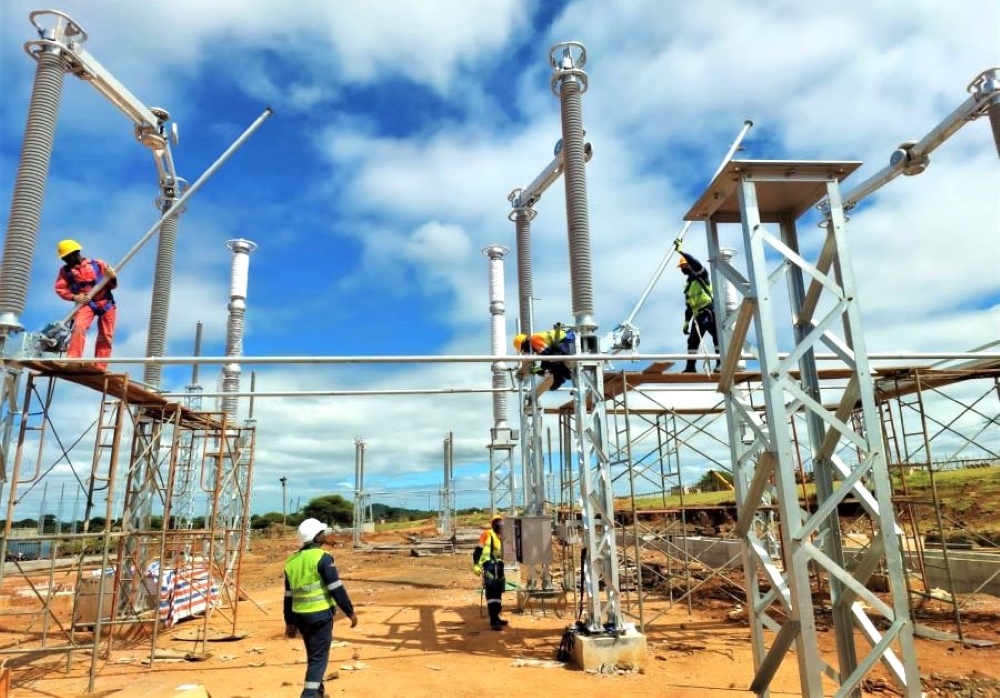 Share Listen to this article By Malawi Freedom NetworkAugust 25, 2026Lilongwe, Malawi Malawi’s electricity crisis is deepening, with the Electricity Generation Company (Malawi) Limited (EGENCO) confirming that several of its generating units are operating below capacity while one major unit at Nkula B remains completely out of service. Read moreCorrupt Mafia Batatawala Case Commence On…
 - Malawi’s Mining Boom Raises Big Questions: Who Will Control the Country’s Mineral Wealth?
 Share Listen to this article By Suleman ChiteraMalawi Freedom Network25 August 2026 Malawi stands at a mining crossroads Malawi is entering a potentially transformative period for its mining industry, with uranium, rare earths, rutile, graphite and niobium projects attracting increasing attention from international investors. Read moreInvestigative feature — Why many Malawians call Lazarus Chakwera the…
 - NOCMA Loses US$403,605 in Suspected Cyber Fraud as Police Probe K700 Million Payment
 Share Listen to this article By Malawi Freedom NetworkAugust 25, 2026 LILONGWE, Malawi — The National Oil Company of Malawi Limited (NOCMA) is investigating a suspected cyber-fraud incident in which US$403,605 — approximately K700 million — was transferred to a fraudulent bank account after criminals allegedly impersonated Mozhandling Limited, a company providing services linked to…
 - Nocma Loses K700 Million in Cyber Fraud After Hackers Impersonate Mozambican FirmShare Listen to this article By Malawi Freedom NetworkAugust 25, 2026 The National Oil Company of Malawi Limited (Nocma) has lost US$403,605—equivalent to about K700 million—to cyber fraud after criminals allegedly impersonated a Mozambican company responsible for handling fuel shipments at the Port of Nacala. Read moreCorrupt Mafia Batatawala Case Commence On 25 April 2022Nocma…
- Zotsatira za DNA ku Nigeria Zayambitsa Mafunso pa Ubale wa Ana ndi Abambo, Pomwe Ziwerengero za ku Malawi Zikukopanso Chidwi
 Share Listen to this article Wolemba: Malawi Freedom Network LILONGWE — Lipoti latsopano lokhudza kuyezetsa DNA ku Nigeria layambitsanso mkangano wokhudza ubereki wa ana komanso chiwerengero cha abambo omwe mwina akulera ana omwe si awo obadwa nawo osadziwa. Read moreBiography Of Dr Thomson MpinganjiraKafukufuku amene waperekedwa kuti unachitidwa ndi Smart DNA ku Nigeria wapeza kuti…
Read also: Kenyans Voting today
Read also: NESA Kuyika Chiyembekezo kwa Ana Osowa Thandizo la Sukulu ku Malawi