 Suleman Chitera
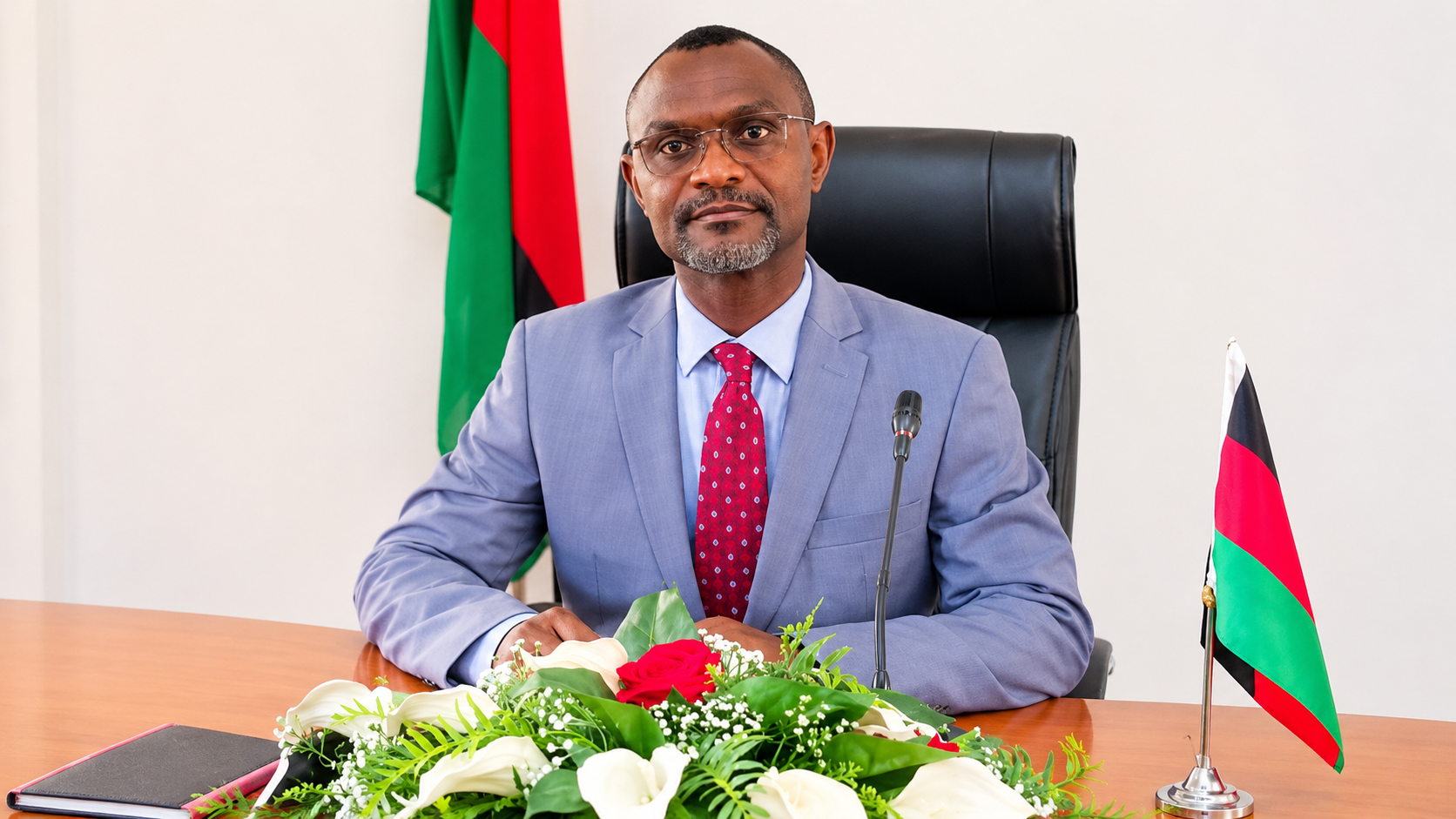
By Suleman Chitera | MFN Reporter
Date: 18 November 2026
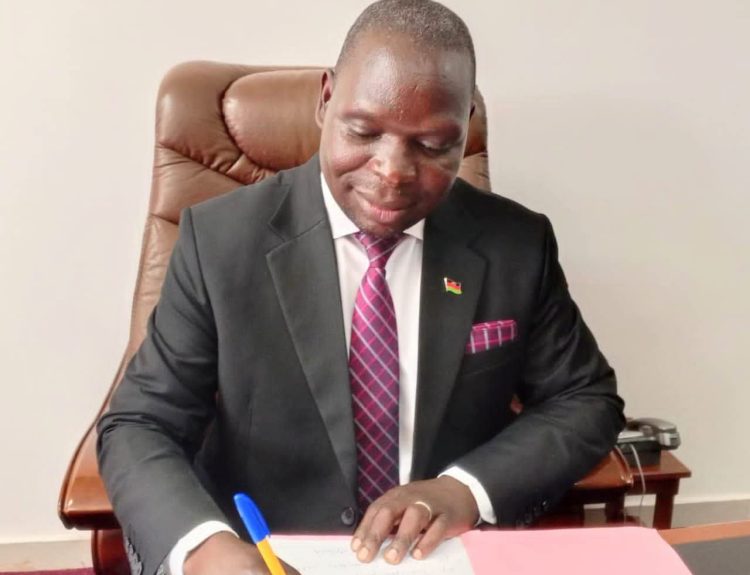
Malawi has taken a major step towards strengthening food security following the signing of a Framework of Cooperation between the Ministry of Local Government and Rural Development and the United Nations World Food Programme (WFP), aimed at increasing food production and reducing dependence on donor assistance.
Minister of Local Government and Rural Development Ben Phiri said Malawi must strengthen its food systems from the grassroots if the country is to achieve sustainable food security and successfully eliminate hunger.
Speaking during the signing ceremony, Phiri stressed that the country must shift its focus towards building its own capacity to feed its population rather than continuously relying on external assistance.
He explained that although food security primarily falls under the Ministry of Agriculture, the new cooperation framework will be integrated into the Constituency Development Fund (CDF) to strengthen agricultural production across all districts.
“As you’re aware, CDF has got an agriculture component. However, the question is, as we use CDF in agriculture, what do we want to achieve? This MoU therefore defines exactly what we want to do, which is to increase food production and maximize the use of our land and every investment that goes into it,” said Phiri.
The minister said the framework will help ensure that resources invested in agriculture through CDF deliver measurable results, particularly in improving productivity and making better use of available agricultural land.
Meanwhile, WFP Country Director Hyoung-Joon Lim said the organisation’s Zero-Hunger initiative is expected to reach more Malawians following encouraging results from its pilot implementation in 14 villages.
The initiative supports subsistence farmers who struggle to produce enough food for their households by providing maize seed to improve agricultural production.
Lim said the programme had already transformed the harvests and food security situation of participating households.
“People who used to harvest three or five bags, have now harvested more than 15 bags. They used to have food coverage only for three, four months after harvesting, but now they have 12 months more, with some using the surplus to invest in seed and buy their own fertiliser,” said Lim.
He said the increased production has enabled some farmers to maintain adequate food supplies throughout the year while also creating opportunities to reinvest agricultural surpluses in their farming activities.
The Framework of Cooperation seeks to strengthen district council oversight in implementing government and WFP-supported programmes under the Malawi Country Strategic Plan for 2024–2028.
The partnership is expected to improve coordination, accountability and implementation of development initiatives at district level, with particular emphasis on strengthening local food systems.
The agreement comes at a time when strengthening agricultural productivity, improving household food security and reducing dependence on food assistance remain important priorities for Malawi’s development.
Frequently Asked Questions (FAQ)
Answer here…