 Malawi Freedom Network
By Suleman Chitera
EGENCO’s K2.6 Billion Legal Fee Raises Serious Questions About Government Coordination, Leadership and Accountability
The reported payment of K2.6 billion by the Electricity Generation Company (Malawi) Limited (EGENCO) to M&M Global Law Consultants for recovering approximately K30 billion owed by the Electricity Supply Corporation of Malawi (ESCOM) has raised serious questions about government coordination, public financial management and accountability.
At the centre of the debate is a disturbing question: How can two government-owned institutions end up in a situation where one has to engage private lawyers and pay billions of kwacha to recover money owed by another institution operating under the same government?
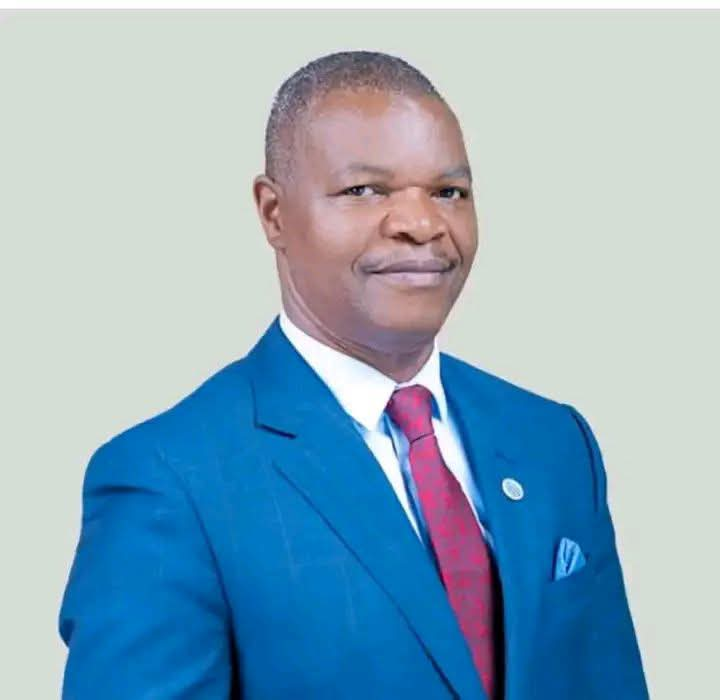
EGENCO Chief Executive Officer William Liabunya has confirmed that the company paid K2.6 billion to M&M Global Law Consultants after agreeing that the law firm would receive 15 percent of the amount successfully recovered.
While recovering outstanding debts is important for the financial health of EGENCO, the circumstances surrounding this transaction deserve serious public scrutiny.
Is This How Government Institutions Are Supposed to Work?
Malawians have a legitimate reason to question why two institutions belonging to the same government cannot resolve financial disputes through effective administrative coordination and established government mechanisms.
If EGENCO and ESCOM are both operating within the public electricity sector, why should their financial disagreements potentially result in substantial legal costs that ultimately affect public resources?
Government institutions should have clear channels for resolving financial disputes, negotiating settlements and enforcing contractual obligations without unnecessarily exposing public finances to expensive legal arrangements.
The situation raises questions about whether there is sufficient coordination between government ministries, institutional boards and management teams.
It also raises concerns about the effectiveness of government oversight.
Where Are the Responsible Ministers?
The Ministry responsible for Energy and the Ministry of Finance must explain their understanding of this arrangement.
Were the responsible ministers aware that one government-owned electricity company was pursuing another over a debt of approximately K30 billion?
Was government consulted before EGENCO engaged the law firm?
Could the matter have been resolved through direct government intervention without committing K2.6 billion to legal fees?
These questions deserve clear answers, not general statements.
Malawians Deserve Better Management of Public Resources
The K2.6 billion payment is not a small amount of money. It is public money that deserves proper justification.
At a time when Malawi is facing economic difficulties and the electricity sector requires significant investment, every billion kwacha spent by public institutions must be accounted for.
The public is not questioning the importance of legal professionals or their right to receive payment for services rendered. The concern is whether such a costly arrangement was necessary, properly authorised and in the best financial interests of the country.
There must also be transparency regarding the contract, the procurement process and the actual amount recovered.
Government Must Explain This Arrangement
The government should not allow questions about billions of kwacha involving its own institutions to go unanswered.
EGENCO, ESCOM, the relevant ministers and the boards of the two institutions should provide a comprehensive explanation.
Malawians deserve to understand why government-owned institutions are engaging in costly legal battles against each other instead of finding coordinated solutions within the same public administration system.
Ultimately, the question is bigger than EGENCO and ESCOM.
If government institutions cannot effectively resolve financial disputes among themselves, who is taking responsibility for protecting public resources?
The country needs stronger institutional coordination, financial discipline and accountability.
Public money must be protected, and every decision involving billions of kwacha must stand up to public scrutiny.
Government must explain. Malawians deserve answers.