
 Malawi Freedom Network
By Malawi Freedom Network
Malawi’s delegation remained inside the United Nations General Assembly chamber as dozens of country representatives walked out when Israeli Prime Minister Benjamin Netanyahu began his address in New York on Thursday.
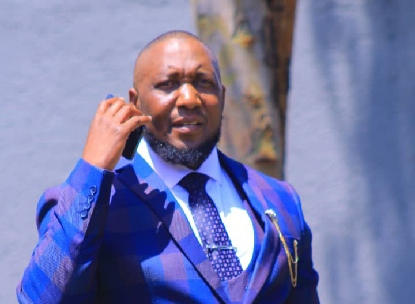
The Malawian delegation was led by Foreign Affairs and International Cooperation Minister Dr George Chaponda, who was seen remaining in the chamber during Netanyahu’s speech.
The scene created a sharp contrast inside the UN hall, where a significant number of delegations left their seats as Netanyahu approached the podium.
International reports said the walkout involved countries from several regions, including Africa, the Middle East, Asia, Europe and Latin America. The Palestinian Mission to the United Nations had called on delegations to leave during Netanyahu’s address.
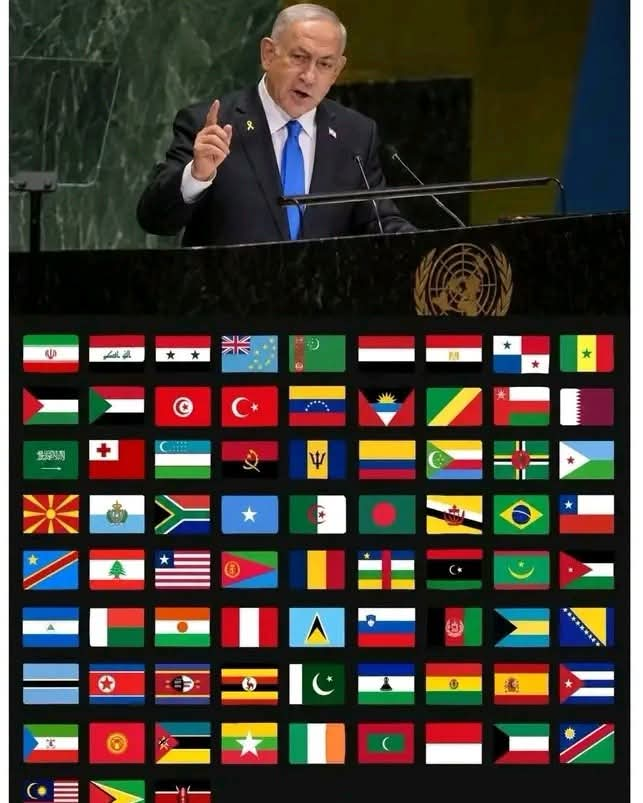
An Israeli government tally later put the number of delegations that were either absent from the chamber or left at the beginning of the speech at 77. The figure therefore combines countries whose representatives were already absent with those who physically walked out.
Malawi was not included among the 77.
The walkout followed continued international disagreement over Israel’s military campaign in Gaza and its broader regional policies. Netanyahu responded to the departing delegates by calling on other representatives to leave as well, while defending Israel’s military actions and arguing that Israel was acting in self-defence.
The unusually divided chamber quickly became one of the most visible moments of this year’s General Assembly, with television and news images showing rows of empty seats as Netanyahu continued his address.
For Malawi, however, the delegation’s decision was different.
Chaponda and the Malawian representatives remained seated throughout the address, according to reports and images from the chamber.
There has been no public explanation from the Malawi Government indicating why the delegation chose to remain inside the hall. Consequently, the decision should not automatically be interpreted as an endorsement of every position expressed by Netanyahu or the Israeli Government.
Rather, what is established is that Malawi’s representatives did not join the mass departure that accompanied the Israeli leader’s arrival at the podium.
The development places Malawi among the countries whose representatives stayed through an address that triggered one of the most prominent diplomatic walkouts at the UN in recent years.
The episode also highlights the differing diplomatic approaches being taken by UN member states as governments continue to debate the Gaza conflict, Israel’s regional military operations and the future of the Israeli-Palestinian conflict.
For Malawi, the focus now shifts to whether the government will publicly explain the diplomatic reasoning behind its delegation’s decision to remain in the chamber.