
 Malawi Freedom Network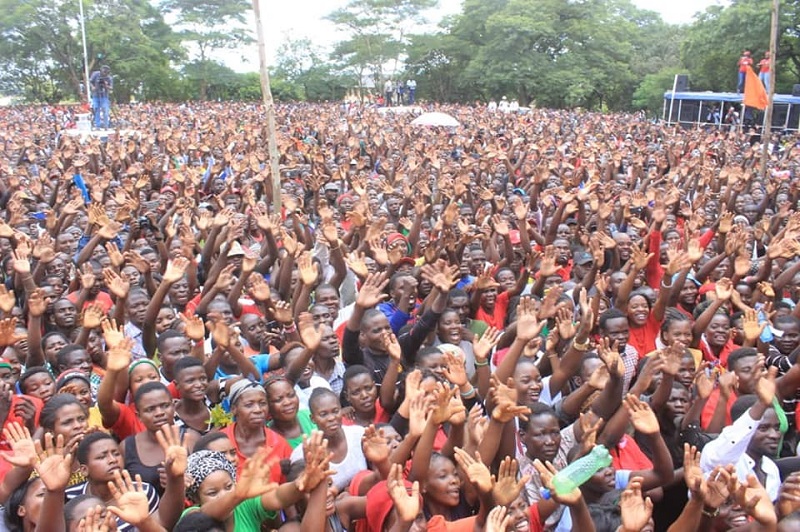
By Our Reporter
A study has raised concerns over the political representation of Muslims and people of Yao origin in Malawi, alleging that the two major political parties, the Malawi Congress Party (MCP) and the Democratic Progressive Party (DPP), rely heavily on these communities during elections but provide limited representation when it comes to government appointments.
According to the study, Muslims and Yaos are among the communities that actively participate in politics and turn out in large numbers to vote during elections.
However, the findings claim that their political contribution is not adequately reflected in the distribution of government positions and other opportunities after political parties win elections.
The study alleges that during the MCP administration, Muslims and Yaos accounted for only about 4 percent of appointments to positions of responsibility.
It describes the figure as disproportionately low and says this contributed to frustration and disappointment among sections of the Muslim and Yao communities.
The study further claims that the DPP appointed an even smaller proportion of Muslims and Yaos, putting their representation at about 2 percent.
If verified, the figures would raise questions about whether the political participation of these communities is being matched by equitable representation in government.
Concerns Over Names and Identity
One of the key concerns highlighted by the study is the alleged tendency to judge potential appointees based on their names or perceived religious and ethnic background.
The study claims that some highly qualified individuals who have made significant contributions to the country can allegedly be overlooked simply because their names are perceived to be Muslim or Yao.
It argues that appointments to public positions should be based primarily on qualifications, competence, experience, integrity and the ability to serve the public, rather than a person’s name, religion or ethnic background.
Call for Fair Representation
The study is calling on political parties to ensure that Muslims and Yaos are not treated as important only during election campaigns.
It argues that communities that participate actively in elections and contribute to political victories should also have fair opportunities to participate in government and benefit from national resources.
The issue also raises a broader question about inclusivity in Malawi’s political system and whether appointments to public positions adequately reflect the country’s diverse population.
Political parties and government authorities have yet to publicly respond to the specific findings and percentages contained in the study.
The reported figures of 4 percent under MCP and 2 percent under DPP should therefore be independently verified against the original research report, methodology and underlying data before being treated as definitive statistics.
Nevertheless, the findings have brought renewed attention to the importance of fair political representation and the need for merit-based appointments that do not discriminate against individuals because of their religious or ethnic identity.