 Malawi Freedom Network
By Twink Jones Gadama
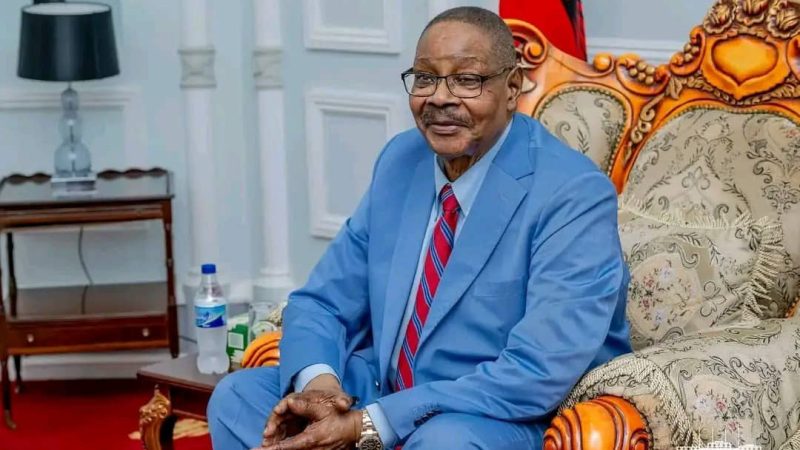
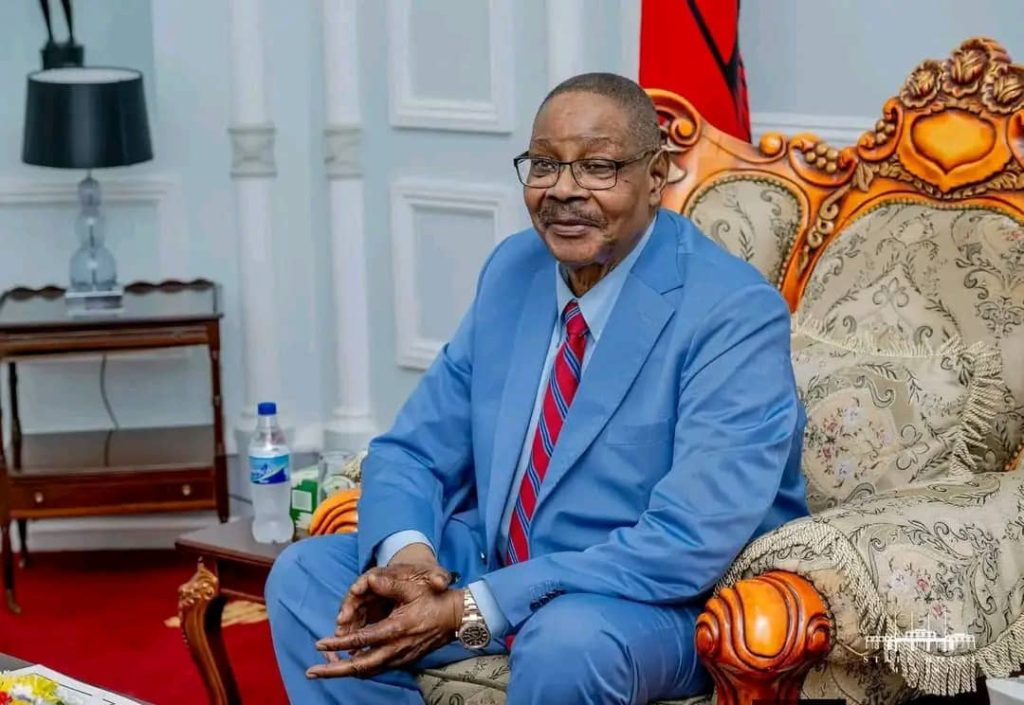
In the complex political landscape of Malawi, the interplay between former and current leaders often stirs controversy, particularly when it comes to the interpretation of constitutional rights and responsibilities. The recent accusations leveled by Undule Mwakasangula, an agent of the Malawi Congress Party (MCP), against former President Arthur Peter Mutharika, have ignited a debate about the boundaries of political discourse and the rights of former leaders to engage with the public. Mwakasangula’s assertion that Mutharika’s national address undermines the authority of the current president raises critical questions about the nature of political communication, the role of former leaders in a democratic society, and the legal frameworks that govern such interactions.
At the heart of Mwakasangula’s accusations is the claim that Mutharika’s address constitutes an infringement on the authority of the sitting president. This perspective suggests a zero-sum view of political power, where the actions of one leader are seen as a direct challenge to another. However, this interpretation overlooks the fundamental principles of democratic governance, where the exchange of ideas and opinions is not only encouraged but is essential for a healthy political environment. The Constitution of Malawi guarantees freedom of expression, which extends to all citizens, including former presidents. Mutharika, as a former head of state, retains the right to communicate with the public, share his views, and engage in national discourse without fear of retribution or accusations of undermining authority.
Moreover, Mwakasangula’s criticism raises questions about the nature of authority itself. In a democratic system, authority is not absolute; it is contingent upon the consent of the governed and is subject to scrutiny and debate. The notion that a former president should remain silent or refrain from public engagement simply because they are no longer in power undermines the very essence of democracy. It suggests a political culture where dissent is stifled and where leaders are expected to retreat into silence once they leave office. This is not only detrimental to the democratic process but also risks creating a political environment characterized by fear and repression.
The accusation also highlights a broader issue within Malawian politics: the tendency to view political opposition as a threat rather than a vital component of a functioning democracy. Mwakasangula’s stance reflects a mindset that perceives any critique or alternative viewpoint as an attack on the current administration. This perspective can lead to a dangerous precedent where political discourse is curtailed, and individuals are discouraged from expressing their opinions for fear of being labeled as undermining authority. Such an environment stifles innovation, critical thinking, and the healthy exchange of ideas that are necessary for the progress of any nation.
Furthermore, the legal framework surrounding the rights of former presidents in Malawi is clear. The Constitution does not prohibit former leaders from engaging with the public or expressing their views on national issues. In fact, it can be argued that their experience and insights are invaluable to the ongoing political discourse. Former presidents, having held the highest office in the land, possess a unique perspective on governance, policy, and the challenges facing the nation. Their contributions can enrich public debate and provide a historical context that is often lacking in contemporary discussions.
In this light, Mutharika’s decision to address the nation should be viewed not as an act of undermining the current president but as an exercise of his constitutional rights. It is a demonstration of his continued engagement with the political landscape of Malawi, which is a hallmark of a vibrant democracy. By sharing his thoughts and experiences, Mutharika contributes to the collective understanding of the nation’s challenges and potential solutions. This engagement can foster dialogue, encourage collaboration, and ultimately strengthen the democratic fabric of the country.
Moreover, Mwakasangula’s accusations may inadvertently reflect a deeper insecurity within the current administration. The perception that Mutharika’s address poses a threat to the authority of the sitting president suggests a lack of confidence in the current leadership’s ability to govern effectively. In a healthy political environment, former leaders should be seen as allies in the pursuit of national progress rather than adversaries to be silenced. The current administration should embrace constructive criticism and differing viewpoints as opportunities for growth and improvement, rather than viewing them as challenges to be quashed.
The political dynamics in Malawi are further complicated by the historical context of leadership transitions in the country. The legacy of past administrations, including Mutharika’s, continues to shape the political landscape, and former leaders often play a significant role in influencing public opinion and political discourse. The ability of former presidents to engage with the public is not only a constitutional right but also a reflection of the ongoing evolution of Malawi’s democracy. As the nation grapples with pressing issues such as economic development, social justice, and governance, the insights of former leaders can provide valuable guidance and perspective.
In conclusion, Undule Mwakasangula’s accusations against former President Arthur Peter Mutharika raise important questions about the nature of political authority, the rights of former leaders, and the role of public discourse in a democratic society. The Constitution of Malawi guarantees freedom of expression to all citizens, including former presidents, and it is essential to uphold these rights to foster a vibrant and inclusive political environment. Rather than viewing Mutharika’s engagement as a threat, the current administration should embrace the contributions of former leaders as part of a broader dialogue aimed at addressing the challenges facing the nation. Ultimately, a healthy democracy thrives on the exchange of ideas, the respect for differing viewpoints, and the recognition that all voices, regardless of their political affiliation, have a role to play in shaping the future of Malawi.
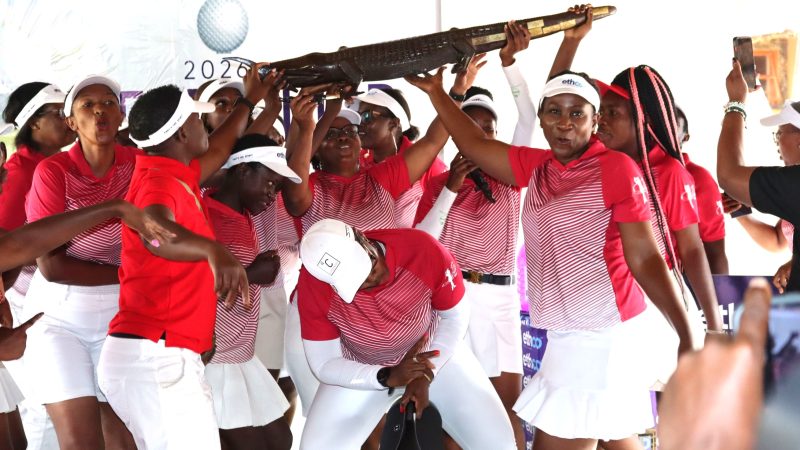
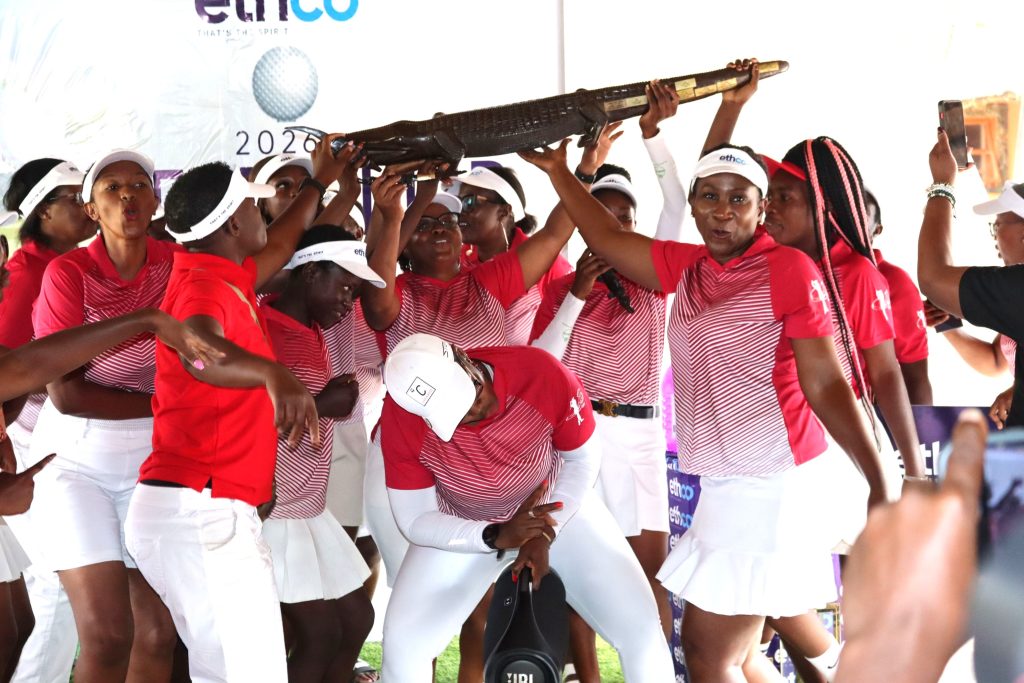
- Lilongwe Golf Club retains EthCo Ladies Interclub golf trophy
- NBM plc awards scholarships, recognises top-performing KuHeS students

- DPP Governor urged DPP to fulfill campaign promises
- Ayuba James: MCP Apology Means Nothing While Chakwera Remains Leader
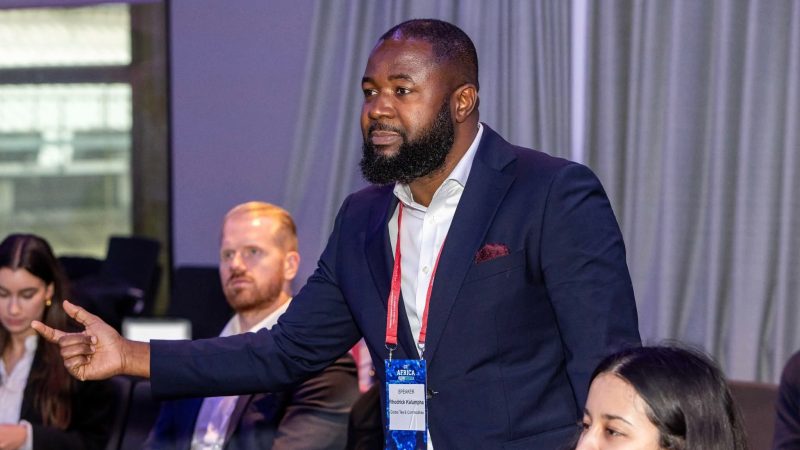
- Rhodrick Junaid Kalumpha: Malawi Cannot Afford to Sleepwalk Into the El Niño Threat
- The Roots Beneath the Mighty Tree: The Danger of Abandoning Political Foot Soldiers
- Chisale Empowers 33 Students With K6.6 Million Education Support

- Simba 6-1 Wanderers: Nomads crushed out of CAF champions league
- Swed: Mutharika is bringing the kwacha back to life — A new era of economic confidence

- Malawi cannot afford another leadership experiment like Chakwera
- Mvula Warns: Corruption Threatens Malawi’s Investment Future as Investor Confidence Wanes
- Atupele sounds alarm over Nusrat Jiwa Osman Abduction: “Malawi cannot normalise this”
- Malawians Take Notice: Sameer Suleman’s Parliament Is Changing the National Conversation
- Rhodrick Junaid Kalumpha Steps Up Education Support at Malemia Primary School as Nine Learners Break Historic Barrier
- Chadza Takes Parliamentary Oversight Fight to High Court as Constitutional Showdown Deepens
- EU Commits €143 Million to Malawi in 2026 as Ambassador Backs Parliament Oversight

Read also: PACENET calls out National Registration Bureau’s Defiance of High Court ruling on voter registration
Read also: Residents challenged to observe hygiene as cholera cases drop in Blantyre
Read also: President Chakwera advocates for Malawi’s fuel and food security in UAE talks