
 Malawi Freedom Network
By Burnett Munthali
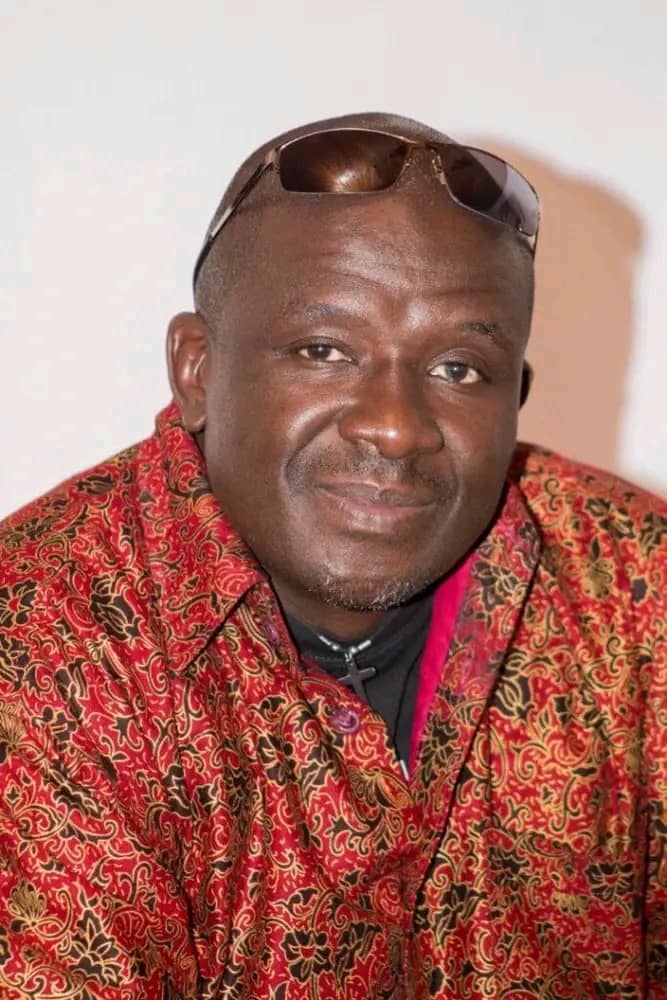
Governance and Human Rights Advocate Undule Mwakasungula recently criticized former President Professor Arthur Peter Mutharika (APM) for calling his recent speech a “national address,” claiming that such a privilege is reserved exclusively for sitting presidents. While Mwakasungula’s concerns reflect a broader debate on the relevance and roles of former presidents in shaping public discourse, his critique appears to overlook key democratic principles and the nuances of political communication in Malawi.
Mwakasungula’s assertion that only sitting presidents are entitled to deliver a national address raises questions about his understanding of democratic freedoms and constitutional rights. A “national address” is not a legal or constitutional term restricted to sitting presidents; rather, it refers to a speech directed to the nation on matters of national interest.
Former presidents, as custodians of experience and wisdom, retain a moral obligation to comment on national affairs. APM’s use of the term “national address” may be unconventional, but it is neither deceptive nor illegitimate. Instead of focusing on semantics, the focus should be on the content and value of the speech itself.
Firstly, Mwakasungula’s critique centers on the terminology used by APM rather than the substance of his message. Such an approach shifts attention away from the critical issues raised in the speech, such as governance, economic management, and political accountability. In a democracy, the quality of ideas should matter more than labels.
Secondly, by suggesting that former presidents should not deliver speeches addressing the nation, Mwakasungula risks silencing important voices in the democratic space. Former leaders possess unique insights and perspectives that can enrich public debate. APM’s speech, whether termed a “national address” or otherwise, contributes to this dialogue and offers alternative viewpoints to the current administration’s policies.
Thirdly, Mwakasungula’s remarks could be interpreted as politically motivated rather than rooted in genuine concern for governance. Criticism of APM’s speech might have carried more weight if it engaged with the content of the address rather than dismissing it based on its designation. This approach raises concerns about impartiality and the selective targeting of political figures.
Globally, former presidents often engage in public discourse, offering their perspectives on national and global issues. For instance, in the United States, former presidents frequently deliver public addresses and participate in policy discussions without their legitimacy being questioned. Malawi, as a democracy, should embrace this tradition rather than stifling it.
APM’s speech reflects his continued commitment to addressing Malawi’s challenges, including governance issues, economic hardships, and social injustices. Critiquing his message constructively would have been more productive than dismissing his right to speak.
Mwakasungula’s comments represent a missed opportunity to engage meaningfully with the substance of APM’s address. Instead of fostering dialogue, his remarks risk polarizing public opinion and discouraging former leaders from contributing to national discussions.
In conclusion. while Undule Mwakasungula’s concerns about terminology may resonate with some, they fail to address the larger democratic principles at stake. Malawi’s political landscape benefits from diverse voices, including those of former presidents. Rather than focusing on labels, critics should evaluate the substance of political discourse and engage in constructive dialogue to advance national interests.
APM’s decision to speak to the nation demonstrates his continued relevance in Malawi’s political discourse. The onus is on citizens and leaders alike to prioritize the content of such speeches over the semantics of their titles. In a democracy, no voice should be silenced or dismissed based on arbitrary rules about who can address the nation.
- Rumphi DC hails NBM plc for U-23 Championship

- IDF Backs Speaker Suleman’s Anti-Corruption Stance, Calls for Accountability
- Jumbe Demands Investigation Into Alleged Humiliation of Kamlepo Kalua at Umodzi Park
- Sameer Suleman: A Son of Malawi Committed to Public Service and the Fight Against Corruption
- MAIIC dangles K42 billion facility targeting rural businesses
- MUBAS Muslim Graduates Challenged to Reject Corruption in Malawi

- DPP Fires Back at MCP Over Alleged Attack on Chakwera’s Entourage
- Ayuba James Tears Into Chimwendo’s Rhetoric, Calls MCP Secretary General’s Speeches ‘Meaningless’
- Imran Jumbe: Corruption is Malawi’s’ number one enemy-Let us join hands to save our country
- Tundu Lissu to Begin Hunger Strike Over Lawyers’ Access
- Malawi Freedom Network Invites Guest Post Contributors

- Thom Mpinganjira Invests K16 Billion in Advanced Diagnostic Centre to Transform Healthcare
- Kondowe Dismisses MCP Claims of Leadership Vacuum Over Mutharika’s South Africa Trip
- NBM Under-23 Championship launch Sunday

- Man Fights for Life After Train Runs Over Him in Lilongwe

- Omar Ayatu Athandiza Azimayi Achisilamu Kupita ku Ijitima
- “Is APM Still the Ansah?” — MCP Questions Leadership as Namalomba Defends President’s Absence
- The Walkers in kidney health awareness walk Saturday

- Blantyre Mayor Jomo Osman Urges Prayers as Malawi Fuel Crisis Deepens