

By Suleman Chitera
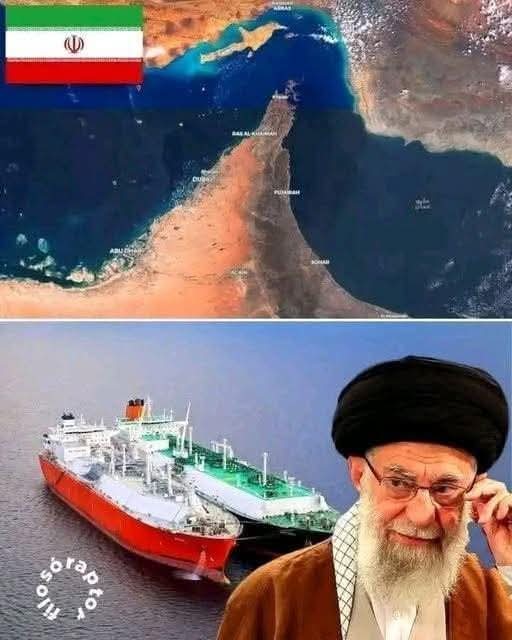
A sudden and dramatic development in the Middle East has sent shockwaves across global markets and governments, after reports indicated that Iran’s parliament has approved a move to close the Strait of Hormuz—one of the most critical النفط transit corridors in the world.
The narrow waterway, which links the Persian Gulf to the Arabian Sea, is responsible for transporting nearly a fifth of the world’s oil supply. Every day, dozens of tankers pass through it, carrying crude النفط and liquefied natural gas to major economies across Asia, Europe, and beyond. Any disruption to this route has immediate and far-reaching consequences.
A Decision with Global Consequences
The reported approval by Iran’s legislative body signals a potentially dangerous escalation in an already tense geopolitical environment. While it remains unclear whether the القرار will be fully enforced, analysts warn that even the threat of closure is enough to destabilize global energy markets.
Oil prices typically respond within hours to such developments, and early indications suggest heightened volatility. A full closure would likely trigger a sharp spike in fuel prices worldwide, affecting transportation, manufacturing, and food supply chains.
Countries that rely heavily on imported fuel—particularly in Africa—are expected to feel the impact quickly.
Malawi on Alert
In Malawi, authorities are closely monitoring the situation, aware of the الاقتصاد’s vulnerability to external shocks. As a landlocked country dependent on fuel imports routed through international supply chains, any disruption in global oil transit could translate into higher pump prices and increased cost of living.
Government officials have indicated that contingency measures are being considered to cushion the الاقتصاد from sudden fuel price hikes. These may include strategic fuel reserves, diversification of supply routes, and fiscal interventions to stabilize local markets.
Strategic Signal or Escalation?
Observers remain divided on Iran’s intentions. Some view the move as a calculated geopolitical signal—aimed at asserting leverage amid ongoing tensions with Western powers. Others fear it could mark the بداية of a broader confrontation that may involve regional and global actors.
Historically, the Strait of Hormuz has been a flashpoint for military and political tensions, given its unmatched strategic importance. Any attempt to block or restrict access would likely provoke a strong international response.
The World Watches Closely
From Washington to Beijing, and from Brussels to African capitals, governments and markets are watching developments unfold in real time. The interconnected nature of today’s global economy means that no country is insulated from shocks of this magnitude.
For now, uncertainty dominates. What happens next will depend on diplomatic engagements, military calculations, and the willingness of global powers to de-escalate tensions.
But one thing is clear: this is no ordinary policy move. It is a событие with the potential to reshape energy markets, strain economies, and test international stability.
As the situation continues to evolve, the world remains on edge—fully aware that decisions made in one narrow waterway could ripple across continents, economies, and livelihoods.
- Nathenje Parish Recruits Two Catechists to Strengthen Pastoral Work
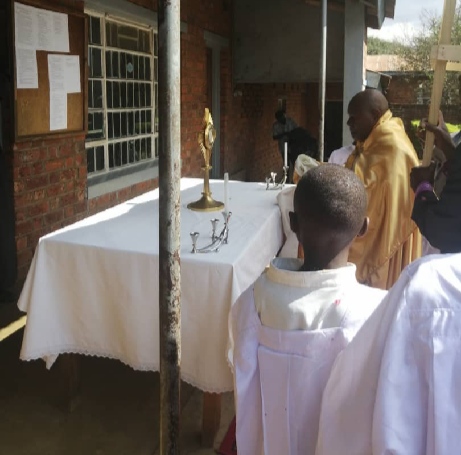 By Mabvuto Kalawa, Correspondent, Malawi Freedom Network Nathenje Parish in the Likuni Deanery has employed two catechists to support its pastoral work. The new catechists, Christopher Suya and Mbeta, have been posted to Chitekwere and Matapila centres respectively. Speaking during the orientation, Parish Superior Fr. Thomas Kasiya urged the catechists to dedicate themselves to serving… Read more: Nathenje Parish Recruits Two Catechists to Strengthen Pastoral Work
 - Mfune calls Area 25 B residents not be divided by politics
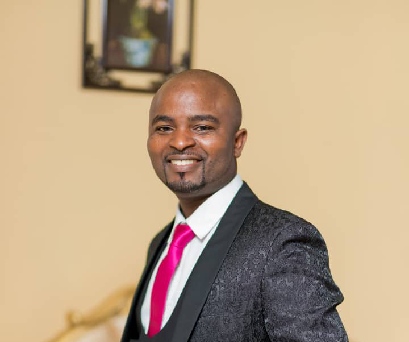 By Sarah Gwetsani Member of Parliament for Lilongwe City Kabwabwa – Dzenza Constituency Jonathan Mfune, has called on residents of Area 25B township – Kanthepa location not to allow politics dividing them for the area to develop. Mfune said people have done politics and time for politics is over, this is the time for development… Read more: Mfune calls Area 25 B residents not be divided by politics
 - CSOs Demand Probe into Alleged Political Interference in ESCOM Procurement
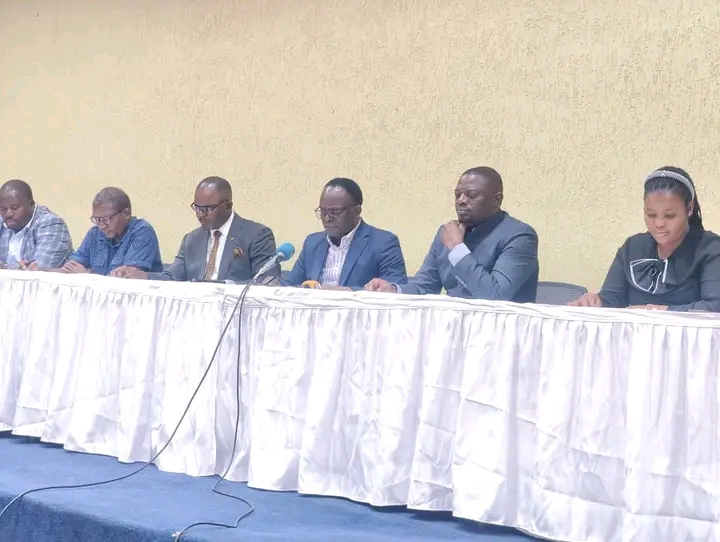 By Suleman Chitera A coalition of civil society organizations (CSOs) has called for urgent investigations into alleged political interference in procurement processes at the Electricity Supply Corporation of Malawi (ESCOM), warning that such actions threaten transparency and accountability in public institutions. The organizations, led by the Human Rights Consultative Committee (HRCC) and the Human Rights… Read more: CSOs Demand Probe into Alleged Political Interference in ESCOM Procurement
 - Coca-Cola Launches ‘Sangalala ndi Coca-Cola’ Promotion to Celebrate FIFA Club World Cup
 By Suleman Chitera Coca-Cola Beverages Malawi has launched the Sangalala ndi Coca-Cola Promotion, a nationwide consumer campaign aimed at celebrating football and rewarding customers during the FIFA Club World Cup tournament, which kicks off today in North America. The promotion was unveiled at Ufulu Gardens in Lilongwe, where company officials said the initiative seeks to… Read more: Coca-Cola Launches ‘Sangalala ndi Coca-Cola’ Promotion to Celebrate FIFA Club World Cup
 - Canada Introduces Law to Restrict Social Media Access for Children Under 16
 By Suleman Chitera Canada has introduced a new law aimed at protecting children online by restricting access to social media platforms for users under the age of 16. Under the proposed legislation, children younger than 16 years will not be allowed to hold social media accounts unless technology companies can prove that their platforms have… Read more: Canada Introduces Law to Restrict Social Media Access for Children Under 16
 - Kamphangala says MCP is a suspect to Chilima’s death
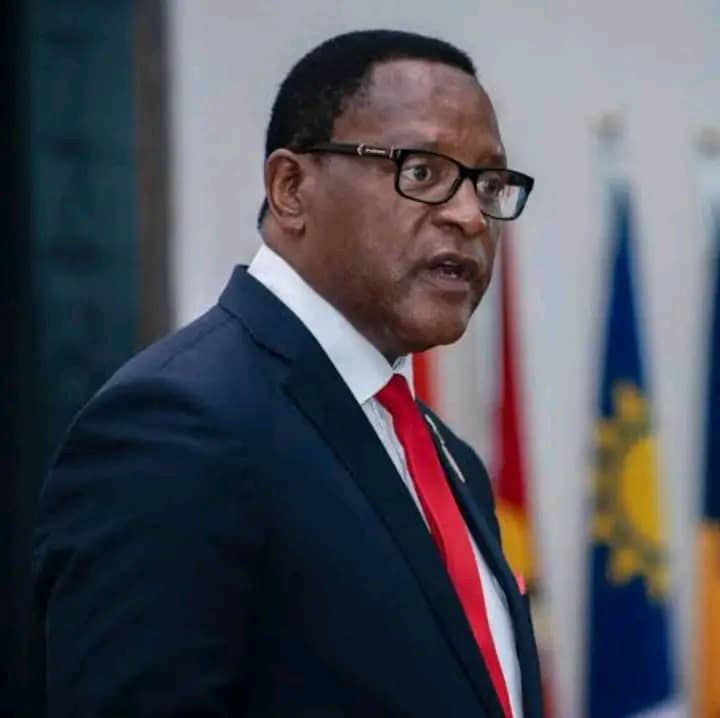 By Vincent Gunde A Malawi Congress Party (MCP) diehard of Mvera in Dowa district Mr. Rodgers Kamphangala, has told the Malawi Congress Party (MCP) that the leadership of the party has not been invited to a solemn remembrance of the life of Dr. Saulosi Chilima in Ntcheu on Saturday. In a communication by UTM National… Read more: Kamphangala says MCP is a suspect to Chilima’s death
 - CDEDI Demands Fuel Price Cuts, Accuses Government of Being Captured by Cartels
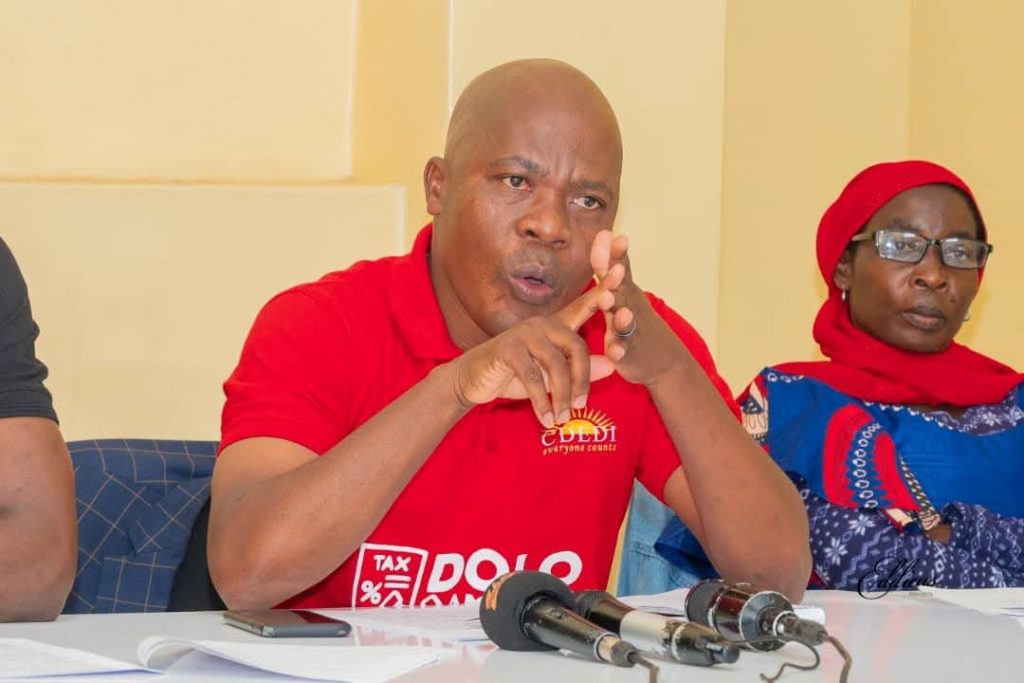 By Suleman Chitera The Centre for Democracy and Economic Development Initiatives (CDEDI) has launched a scathing attack on the government, demanding an immediate reduction in fuel prices and accusing authorities of failing Malawians due to what it describes as state capture by powerful cartels operating within the fuel supply chain, foreign exchange market, and public… Read more: CDEDI Demands Fuel Price Cuts, Accuses Government of Being Captured by Cartels
 - Are Quarry Miners Meeting Their Social Corporate Responsibilities?
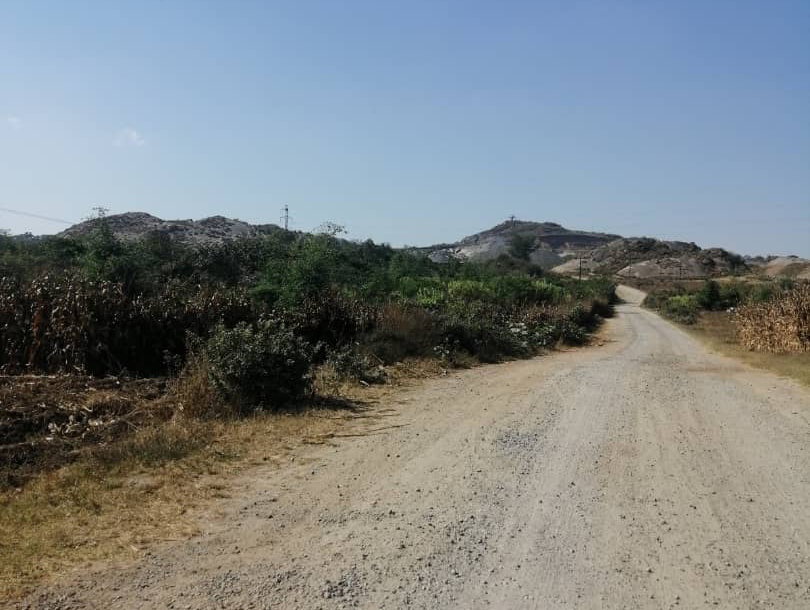 By Mabvuto Kalawa, Correspondent, Malawi News Network Over the past years, Nathenje has seen the establishment of several quarries, including Sino Sky, OG Issa, Additional Mining, and Chawezi. Most of these quarries are owned by Chinese and Indian nationals, with very few owned by Malawians. Initially, the development was welcomed by local communities. The quarries… Read more: Are Quarry Miners Meeting Their Social Corporate Responsibilities?
 - SKC Mausoleum unveiling Saturday
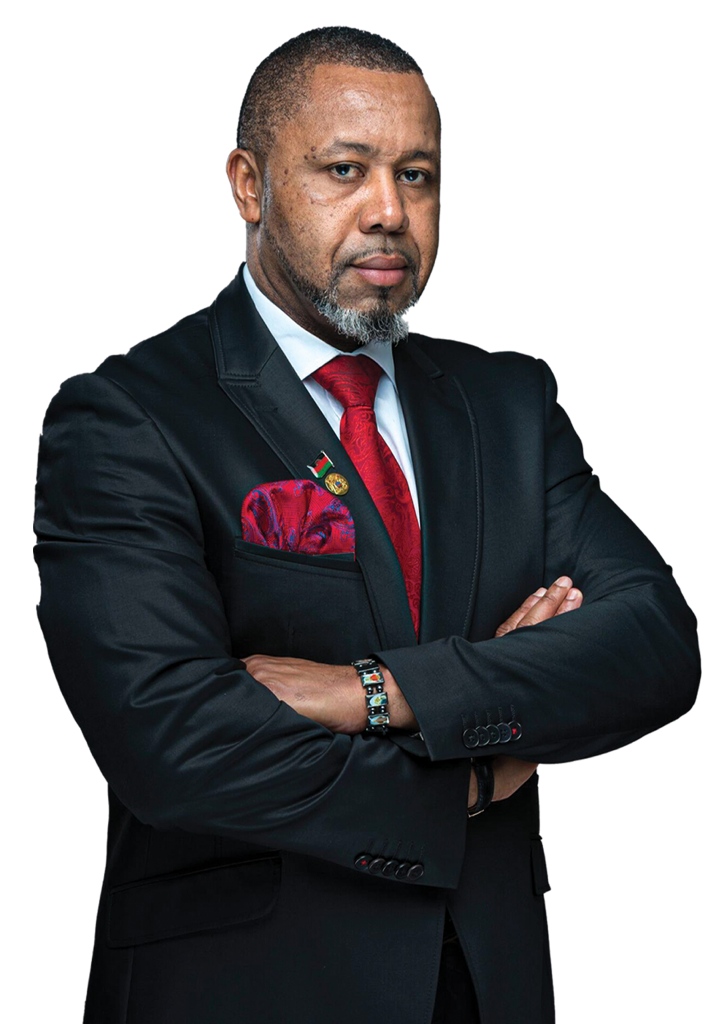 By Suleman Chitera Preparations for the official memorial and unveiling of a Mausoleum for the late Vice President of Malawi Dr Saulos Klaus Chilima at his resting place in Nsipe, Ntcheu on Saturday are in place, family members have said. Dr Efrem Chilima who is chairing a committee comprising of Chilima family members and close… Read more: SKC Mausoleum unveiling Saturday
 - AFORD Appoints Bishop Malani Mtonga as Acting Secretary General
 By Suleman Chitera The Alliance for Democracy (AFORD) has appointed Bishop Malani Mtonga as its Acting Secretary General, replacing Linda Limbe, who has recently been appointed to Malawi’s diplomatic service as Deputy Consul General to China.DPP unveils election manifesto at Mount Soche as alliance with AFORD gains momentum The appointment has been confirmed through a… Read more: AFORD Appoints Bishop Malani Mtonga as Acting Secretary General
 - HRW report to Malawi VP documents attacks on people with albinism, calls for action
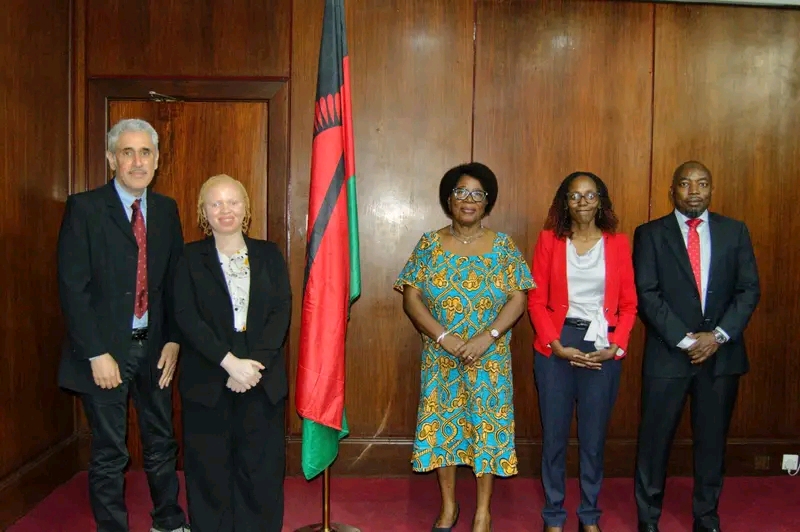 By Malawi Freedom Network Human Rights Watch has presented a report to Vice President Dr Jane Ansah that documents continued attacks and violations against persons with albinism in Malawi.Malawi Introduces Mandatory Health Screening at Borders Amid Ebola Concerns The report, set to be launched this Friday in Lilongwe, is based on research conducted in nine… Read more: HRW report to Malawi VP documents attacks on people with albinism, calls for action
 - FDH Bank plc injects K100m into Team Malawi’s Commonwealth Games
 By Suleman Chitera FDH Bank Plc has donated K100 million to the Malawi Olympic and Commonwealth Games Committee (MOCGC) to support Team Malawi’s preparations for the 2026 Commonwealth Games set to take place in Glasgow, Scotland, from July 23 to August 2. Speaking during the cheque presentation ceremony on Wednesday, FDH Bank Plc Head of… Read more: FDH Bank plc injects K100m into Team Malawi’s Commonwealth Games
 - Chilwa Minerals Extends Niobium Discovery at Nakombe Project
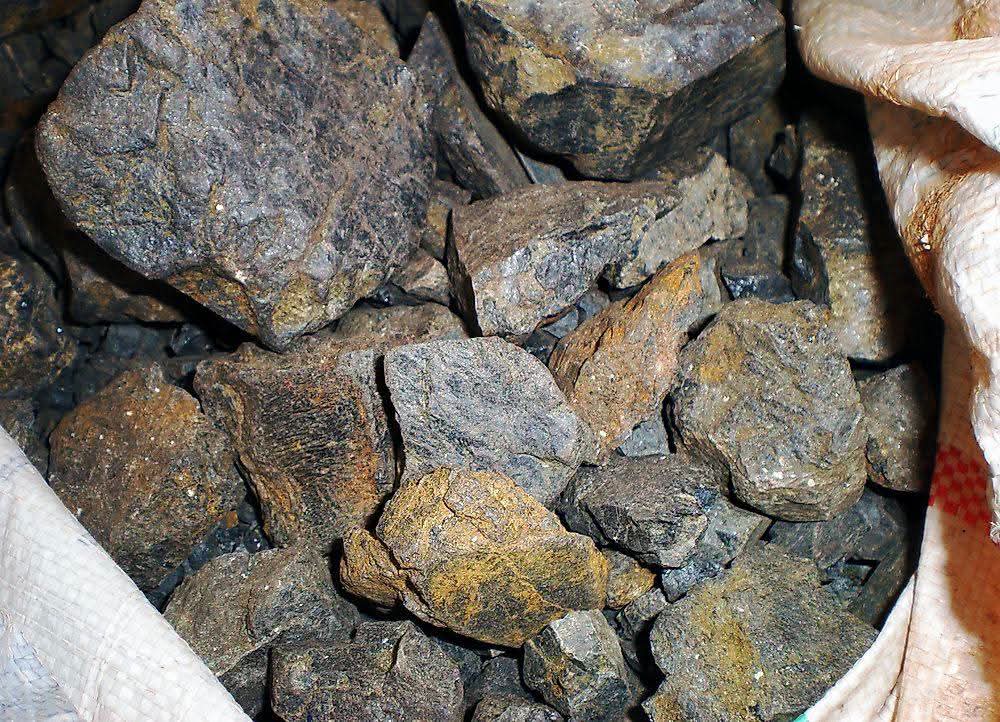 By Suleman Chitera ZOMBA, Malawi – Australian Securities Exchange-listed exploration company Chilwa Minerals has announced a significant expansion of niobium mineralisation at its Nakombe Project in Mpyupyu, Zomba District, further strengthening the project’s potential as a future strategic mining asset. The company said its latest drilling programme has confirmed the presence of niobium mineralisation across… Read more: Chilwa Minerals Extends Niobium Discovery at Nakombe Project
 - Unity for Transparency calls MCP a party of terrorists
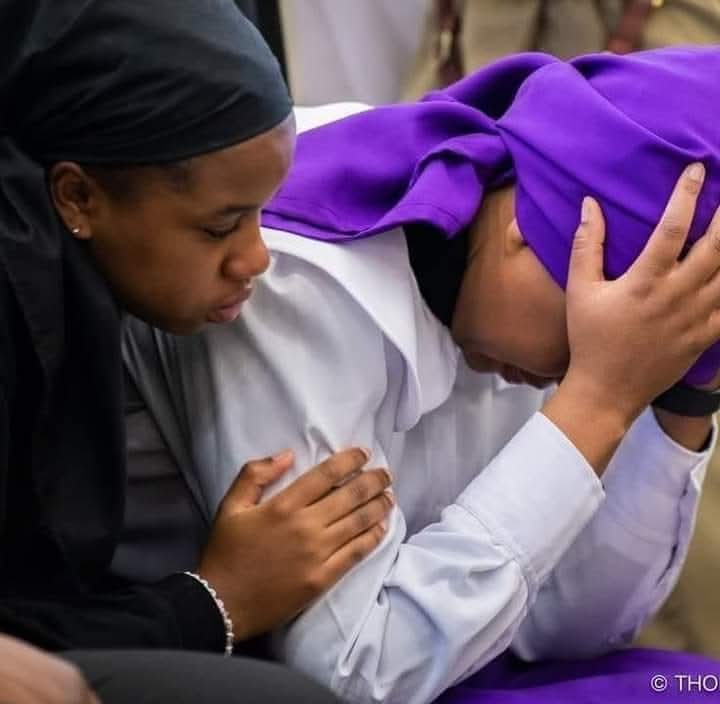 By Vincent Gunde The Unity for Transparency and Accountability ( UTA) has called the Malawi Congress Party (MCP), a party of terrorists claiming that this party should not exist on the ground in Malawi in line with the principles of democracy. The UTA said the MCP under man of God – an ordained Priest of… Read more: Unity for Transparency calls MCP a party of terrorists
 - Malawians in solemn remembrance of SKC,and eight others
 By Vincent Gunde On Monday, 10th June, 2024 dark clouds covered Malawi following the missing of the military aircraft which crashed in the Chikangawa forest killing the former Vice President Dr. Saulosi Chilima, and eight others. There were millions of questions raised but without answers, even President Dr. Lazarus Chakwera and his MCP did not… Read more: Malawians in solemn remembrance of SKC,and eight others
 - Should Malawi Consider Foreign Judges to Fight Corruption?
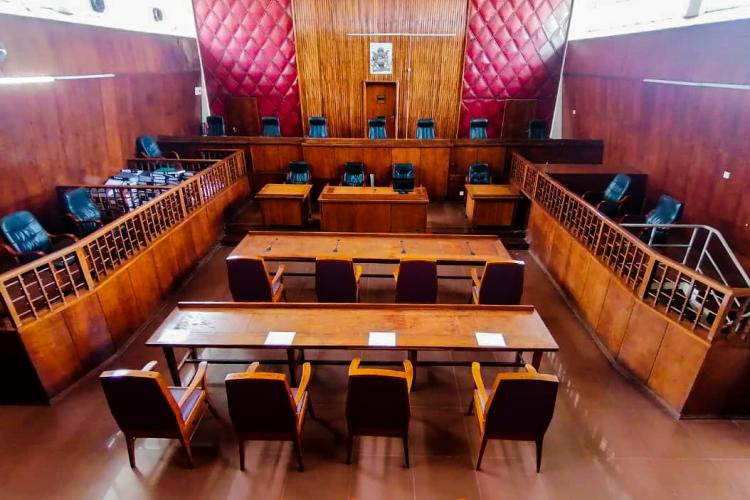 Growing Frustration Over Corruption Cases Raises Tough Questions By Suleman Chitera Public frustration over corruption in Malawi continues to grow as many citizens question whether the country’s institutions are doing enough to hold powerful individuals accountable. Critics argue that corruption cases involving influential figures often move slowly through the courts, while some suspects are released… Read more: Should Malawi Consider Foreign Judges to Fight Corruption?
 - Condom Shortage Forces Some Mangochi Residents to Use Plastic for Protection
 By Staff Reporter Mangochi District Hospital has reportedly run out of condoms for the past two weeks, raising concerns among health officials and residents in the lakeshore district. Malawi Voice has learnt from a senior officer at the facility that people seeking condoms, particularly young people, are being turned away due to the shortage.1 Million… Read more: Condom Shortage Forces Some Mangochi Residents to Use Plastic for Protection
 - When Money Speaks, Justice Falls Silent: Growing Public Concerns Over Accountability in Malawi
 By Suleman Chitera Across Malawi, a growing number of citizens are expressing frustration over what they perceive as unequal treatment under the law, with many arguing that wealth and political influence often determine who faces justice and who escapes accountability. From corruption allegations to controversial government deals, public debate continues to intensify over whether powerful… Read more: When Money Speaks, Justice Falls Silent: Growing Public Concerns Over Accountability in Malawi
 - NBM puts digital banking at the centre of growth strategy
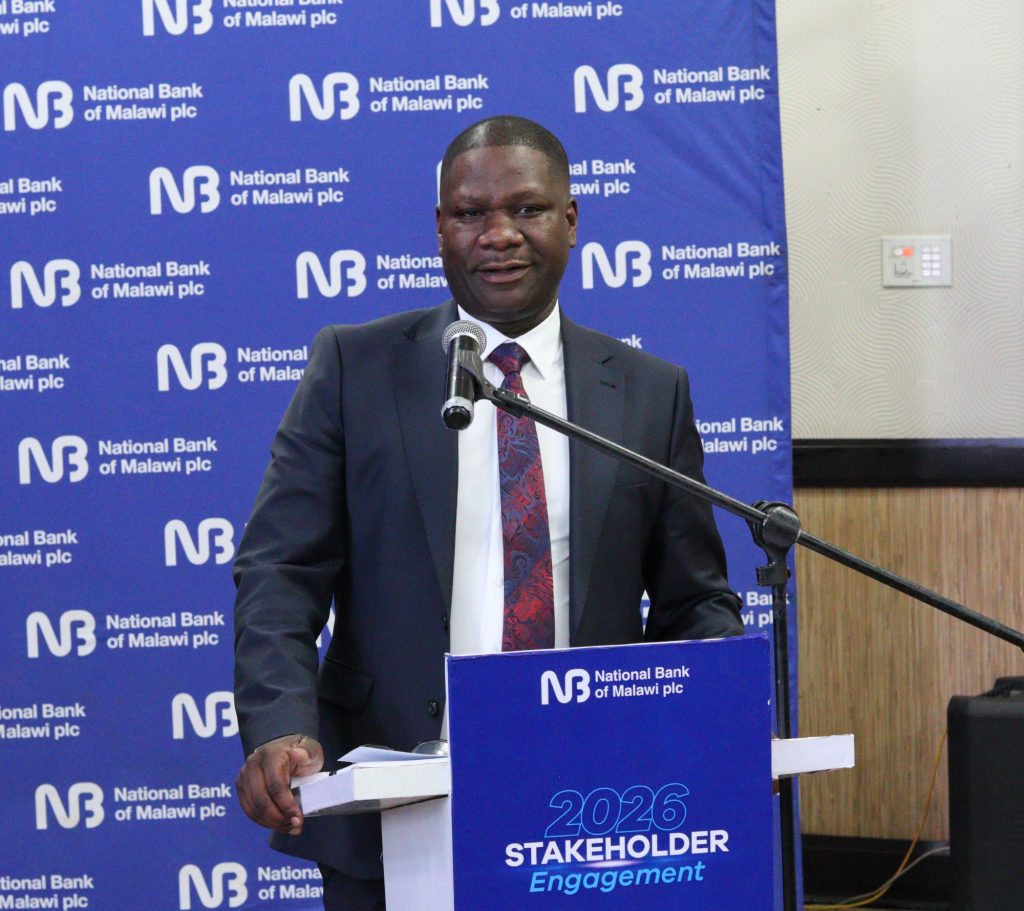 By Suleman Chitera National Bank of Malawi (NBM) plc says digital banking is central to its growth strategy as the Bank moves to strengthen its competitive position and expand its customer base across Malawi. Speaking on Tuesday at the NBM plc Stakeholder Engagement held at Sunbird Mount Soche in Blantyre, NBM plc Chief Executive Officer… Read more: NBM puts digital banking at the centre of growth strategy