
 Suleman Chitera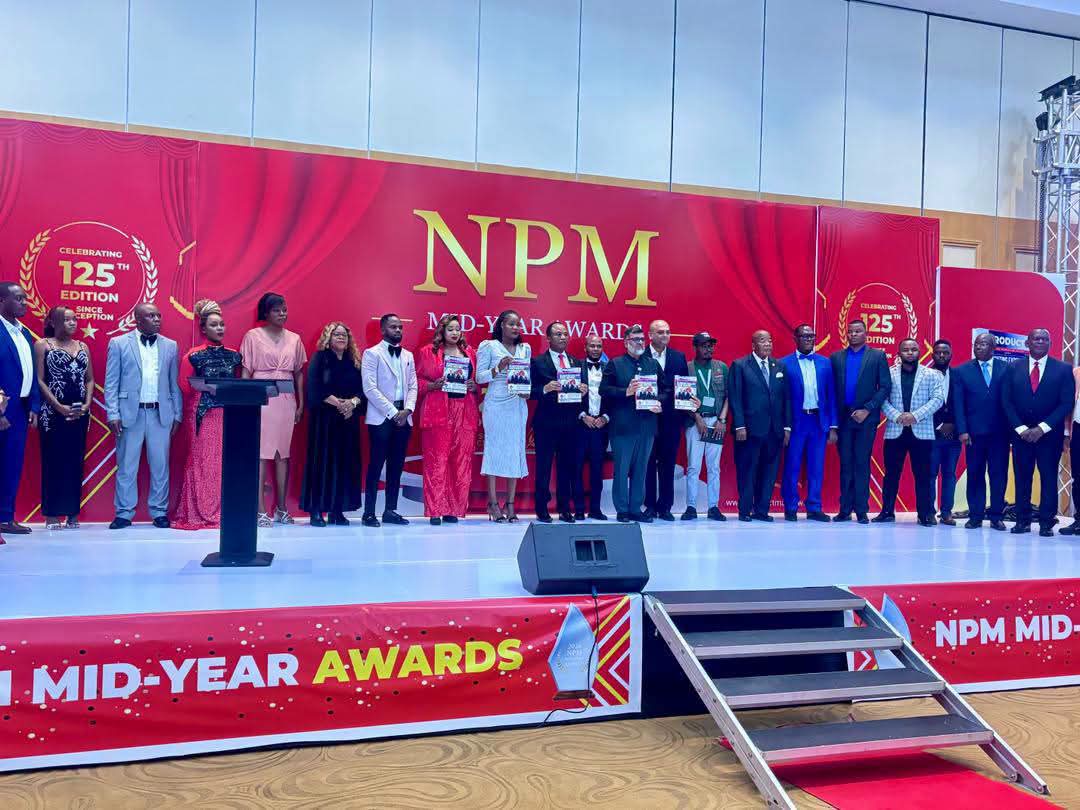
By Suleman Chitera
The Malawi Government has reaffirmed its commitment to strengthening the country’s manufacturing sector through policies and programmes designed to accelerate industrial growth and support the aspirations of the Malawi 2063 development agenda.
Speaking on Saturday evening during the 125th National Product Magazine Official Launch and Mid-Year National Product of Malawi Awards Gala Dinner held at the Bingu International Convention Centre, Deputy Minister of Industrialisation, Business, Trade and Tourism Edgar Tembo said government remains focused on creating an enabling environment that allows industries to thrive and contribute meaningfully to national economic development.Sponsored Content: Why Businesses Should Advertise on Malawi Freedom Network
Tembo highlighted several government initiatives aimed at boosting industrialisation, including investment incentives, infrastructure development projects and skills training programmes intended to attract both local and foreign investors into the manufacturing sector.
He emphasized that industrialisation remains a cornerstone of Malawi’s long-term development strategy and is critical to achieving sustainable economic growth, job creation and improved living standards.
“We are committed to strengthening the manufacturing sector because industrialisation is central to Malawi 2063. Through strategic partnerships and supportive policies, we intend to create jobs, grow the economy and improve livelihoods,” said Tembo.MCP exposes Malawi Constitution loopholesBy Vincent Gunde
Focus on Import Substitution and Export Growth
The Deputy Minister further disclosed that the government is prioritising import substitution and export diversification as part of efforts to reduce dependence on imported goods while increasing the competitiveness of locally manufactured products.
According to Tembo, Malawi’s industrial future depends on building a productive manufacturing base capable of producing high-quality goods for both domestic consumption and export markets.
“Our goal is to build a vibrant industrial sector capable of producing quality goods locally and increasing exports. Achieving this requires strong collaboration between government and an active private sector,” he said.
Economic analysts have long argued that strengthening local manufacturing can help Malawi reduce its trade deficit, create employment opportunities and enhance value addition to agricultural and mineral products.
Innovation Key to Industrial Transformation
Tembo also challenged manufacturers and entrepreneurs to embrace innovation, modern technology and environmentally sustainable production methods, describing them as essential drivers of industrial transformation.MCP, Chakwera files lawsuit against DPP, Mutharika
He noted that adopting advanced technologies and efficient production systems would improve productivity, enhance product quality and increase the competitiveness of Malawian goods in regional and international markets.
The government’s industrialisation agenda aligns with Malawi 2063’s vision of transforming the country into a self-reliant, industrialised upper-middle-income nation through increased productivity and private sector-led growth.
Recognising Excellence in Local Industry
Meanwhile, National Product Magazine Managing Director and Chief Executive Officer Steve Chinyamula said the awards ceremony was established to celebrate innovation, creativity and excellence among manufacturers and entrepreneurs across the country.
Chinyamula observed that recognising outstanding local enterprises encourages higher production standards and fosters a culture of innovation that contributes to national development.Lazarus Chakwera’s Defeat: A Painful Lesson and a Chance for Redemption
“We are encouraged by the support from government and the private sector. Their commitment to quality production, innovation and business excellence is strengthening industries and creating opportunities for economic growth,” he said.
He added that more than 10 local companies received awards during the ceremony, including businesses owned by young entrepreneurs whose innovations and investments are helping create jobs and stimulate economic activity.
Manufacturing Sector Seen as Engine of Economic Growth
The awards gala underscored the growing recognition of the manufacturing sector as a key driver of Malawi’s economic transformation. Stakeholders at the event stressed that stronger collaboration between government, private enterprises and development partners will be crucial in unlocking the sector’s full potential.
As Malawi pursues the goals outlined in Malawi 2063, industry leaders believe that sustained investment in manufacturing, innovation and entrepreneurship will play a vital role in creating jobs, reducing poverty and building a more resilient economy.Government Launches Anti-Corruption Strategic Plan to Strengthen Transparency and Accountability in Malawi
The government’s renewed commitment to industrialisation is expected to provide further momentum for local manufacturers seeking to expand production, penetrate new markets and contribute to the country’s long-term development ambitions.