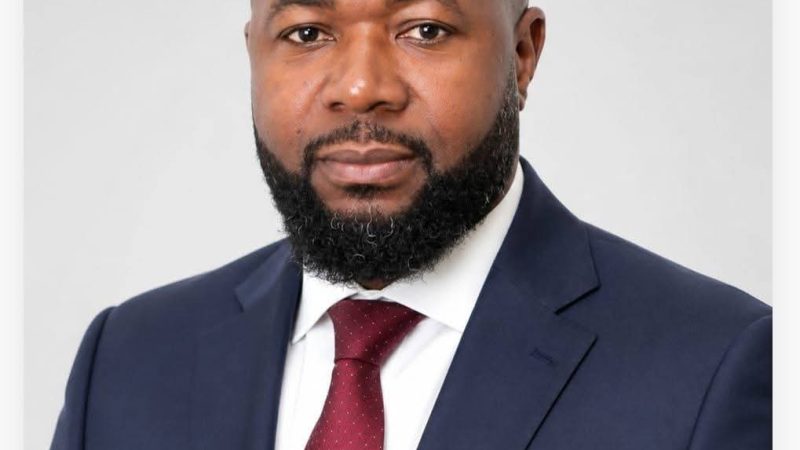
By Suleman Chitera
Member of Parliament for Karonga Central Constituency, Frank Tumpale Mwenifumbo, has called on fellow legislators from Karonga District to prioritize addressing pressing development challenges affecting local communities instead of pursuing legal battles over the proposed relocation of the Malawi Electoral Commission (MEC) headquarters.
Mwenifumbo’s remarks come amid growing debate following a court injunction obtained by Daniel Chitonya, Abraham Mwakhwawa, and Emmanuel Chambulanyina Jere, who are challenging President Arthur Peter Mutharika’s executive order to move MEC offices from Lilongwe to Blantyre.Malawi’s agricultural revolution hinges on embracing modern technologies—says Mwenefumbo
In a strongly worded statement posted on his Facebook page, Mwenifumbo questioned why some leaders appear more concerned about the location of MEC offices than the daily struggles faced by ordinary citizens in Karonga.
According to the legislator, residents in Karonga Town and Karonga-Lufilya constituencies are grappling with serious challenges that require urgent intervention. He highlighted the deteriorating condition of the M1 Road between Chiweta and Karonga, inadequate healthcare services at Karonga District Hospital, shortages in educational infrastructure, and several other development concerns that continue to affect the welfare of local people.NDP Leader Mwenifumbo Advocates for Federalism in Malawi
“The people we represent are demanding solutions to real-life problems. Roads, hospitals, schools, and economic opportunities are what matter most to our constituents,” Mwenifumbo emphasized.
His comments have sparked fresh discussion on social media, with some observers supporting his position that leaders should focus on service delivery, while others argue that national institutions such as MEC play a critical role in safeguarding democracy and deserve public scrutiny when major decisions are made.
The proposed relocation of MEC headquarters has become one of the country’s most debated political issues, drawing reactions from political leaders, legal experts, civil society organizations, and ordinary Malawians. Supporters of the move argue that it aligns with government decentralization efforts, while critics contend that the decision requires broader consultation and careful consideration of its implications.Mwenefumbo Says UTM Not Hungry For Power
As the legal challenge proceeds through the courts, Mwenifumbo’s intervention has shifted attention back to the development needs of Karonga, raising a fundamental question: Should elected leaders concentrate their energies on constitutional battles in distant boardrooms, or on solving the immediate problems confronting the communities that elected them?NDP ready for electoral alliance ahead of 2025 elections
For many residents in Karonga, the answer may lie in seeing tangible improvements in roads, healthcare, education, and public services rather than prolonged political disputes.