 Malawi Freedom Network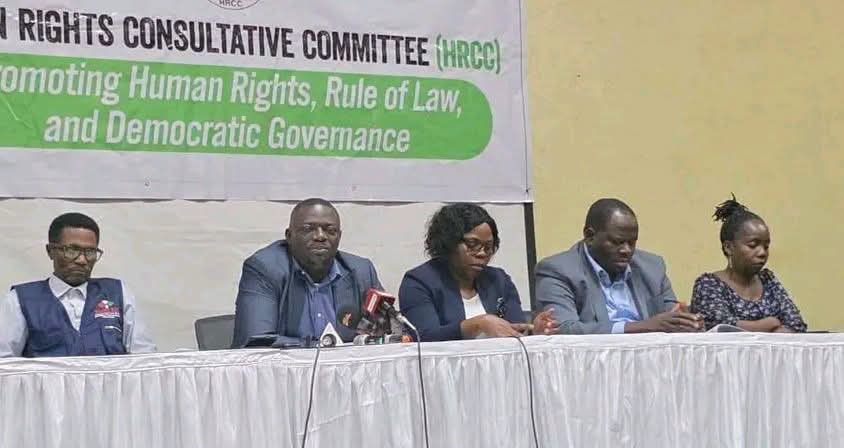
By Staff Reporter
The Human Rights Consultative Committee (HRCC) has called on the Malawi Government to urgently review the country’s asset forfeiture and asset recovery laws to ensure they are applied fairly, transparently and in accordance with constitutional rights.
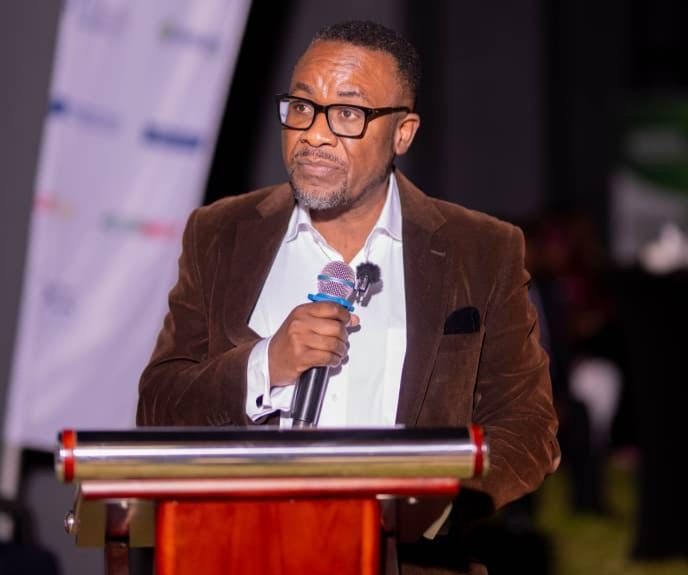
HRCC Chairperson Robert Mkwezalamba made the call on Friday, August 21, 2026, during a press briefing in Lilongwe, where he raised concerns over the way asset forfeiture laws are being implemented in Malawi.
Mkwezalamba said Malawi is governed by the rule of law and that laws designed to fight corruption and recover stolen public resources must be applied equally to all citizens, regardless of their political connections, social status or wealth.
HRCC raises concerns over selective asset forfeiture
According to Mkwezalamba, HRCC is concerned that the implementation of asset forfeiture measures appears inconsistent and may disproportionately affect ordinary citizens and political opponents.
He alleged that asset forfeiture laws are sometimes used as a weapon against people who are politically vulnerable, while cases involving influential or well-connected individuals often take a long time to conclude.
“The law must apply equally to everyone,” Mkwezalamba said, stressing the need for a system that promotes justice rather than selective enforcement.
HRCC said the concerns require urgent attention because public confidence in Malawi’s anti-corruption institutions depends not only on the recovery of suspected proceeds of crime, but also on whether the process is seen to be independent, impartial and transparent.
What are asset forfeiture laws?
Asset forfeiture laws allow the state to seize or recover property suspected to have been acquired through criminal activity.
Such laws are commonly used in cases involving suspected corruption, fraud, drug trafficking, money laundering and other serious offences.
The purpose is to prevent criminals from benefiting from the proceeds of crime and, where legally established, recover assets that may have been obtained unlawfully.
However, HRCC argues that strong safeguards are necessary to ensure that asset forfeiture powers are not abused or used to target individuals unfairly.
HRCC wants stronger safeguards and oversight
Mkwezalamba said the absence of clear and consistently applied guidelines, independent oversight and adequate public reporting could create room for abuse.
He warned that without proper safeguards, asset recovery mechanisms could undermine public trust and potentially become tools for political persecution.
HRCC is therefore calling for reforms that would strengthen transparency and accountability throughout the asset forfeiture process.
The organisation believes that citizens should have confidence that property is only seized through lawful procedures and that affected individuals have access to appropriate legal remedies.
Engagement with Parliament planned
Mkwezalamba said HRCC will soon engage Parliament, the Ministry of Justice and other civil society organisations to advocate for reforms to Malawi’s asset forfeiture and asset recovery framework.
The organisation wants the reforms to make asset forfeiture a credible and effective instrument in the fight against corruption while protecting constitutional rights.
HRCC’s call comes amid continued public debate in Malawi over corruption, accountability, recovery of public resources and the effectiveness of institutions responsible for enforcing anti-corruption laws.
The committee says strengthening the legal framework could help ensure that the recovery of proceeds of crime is conducted fairly while preventing the selective application of the law.
HRCC asset forfeiture reform: Key points
- HRCC wants Malawi to review its asset forfeiture and asset recovery laws.
- The organisation is concerned about alleged inconsistent application of the law.
- HRCC says anti-corruption laws must protect all citizens equally.
- The committee wants stronger independent oversight and public reporting.
- HRCC plans to engage Parliament, the Ministry of Justice and civil society on the proposed reforms.
- The organisation says reforms should protect constitutional rights while strengthening the fight against corruption.