
 Malawi Freedom Network
 By Suleman Chitera
25 August 2026
Recent DNA paternity testing figures reported in Malawi have sparked a national conversation about fatherhood, trust, relationships and the growing demand for scientific evidence in family disputes.
According to reports published by The Nation, genetics scientist Kingdom Kwapata and Attestation Background Checks and DNA Limited Malawi have reported that about 80 percent of men who undergo paternity tests after suspecting their partners of infidelity are found not to be the biological fathers of the children tested.
The figures have generated significant public interest, particularly because they suggest that DNA testing is increasingly being used by Malawians to settle questions of biological parentage.
What does the 80 percent figure mean?
The statistic needs to be understood carefully.
It does not mean that 80 percent of all fathers in Malawi are raising children who are not biologically theirs.
Rather, the reported figure concerns a specific group: men who already have suspicions about paternity and subsequently seek DNA testing.
That distinction is important because people who have no doubts about their children’s parentage are much less likely to voluntarily request a paternity test.
Kwapata reportedly handles more than 30 paternity cases every month, while Attestation Background Checks and DNA Limited, which operates in Lilongwe and Blantyre, has also reported a similar pattern among clients seeking testing because of suspected infidelity.
20 percent tested men confirmed as fathers
Based on the reported 80 percent non-paternity figure, approximately 20 percent of men in that particular group are confirmed as the biological fathers.
However, this should not be interpreted as a national paternity rate.
The testing population is already heavily selected because the men have reasons to question paternity.
The situation appears different in child-maintenance disputes.
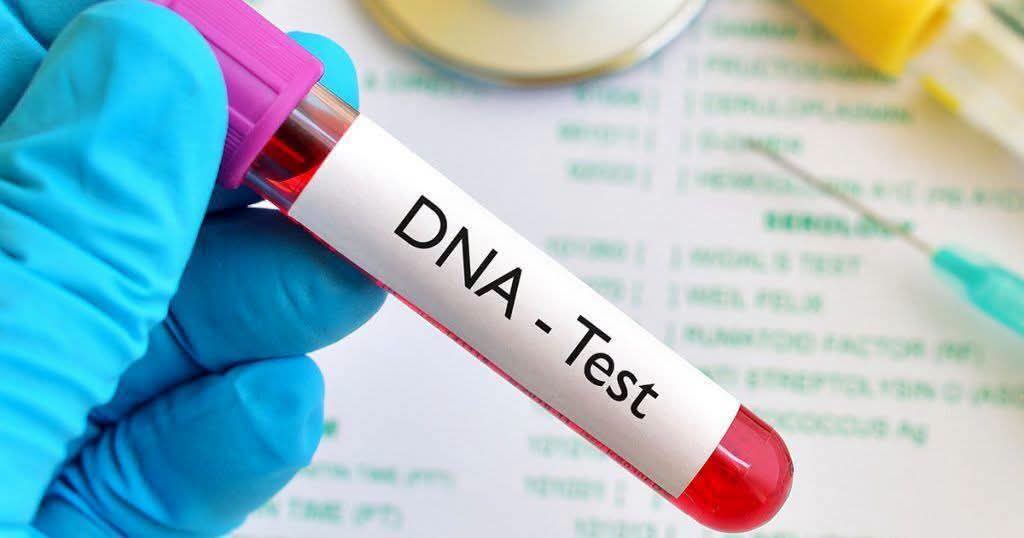
Reports quoting Kwapata indicate that approximately 90 percent of men tested in child-maintenance cases are confirmed as the biological fathers.
That produces a striking contrast:
| Type of DNA testing | Reported result |
|---|---|
| Men testing after suspected infidelity | About 80% not biological fathers |
| Same group | About 20% confirmed biological fathers |
| Court/maintenance-related testing | About 90% confirmed biological fathers |
Why are the results so different?
The explanation is largely selection bias.
A man who voluntarily seeks a DNA test because he suspects infidelity is not a random member of the population. He has already identified circumstances that make him question paternity.
By contrast, men involved in child-maintenance disputes may undergo testing because they dispute financial responsibility or have been asked to establish paternity through legal proceedings.
Therefore, the two groups cannot be compared as though they represent the same population.
What does a DNA result actually say?
A paternity DNA report normally provides a conclusion based on genetic markers and a statistical probability of paternity.
A result supporting paternity can show a very high probability, commonly 99.9% or higher depending on the testing methodology and laboratory. An exclusion indicates that the tested man is not the biological father.
The exact percentage on an individual report should therefore not be confused with the 80 percent statistic being reported in Malawi.
The 80 percent figure describes a group of tested cases, while a result such as 99.99% probability of paternity describes the statistical strength of an individual test.
DNA testing is changing family disputes
The growing use of DNA testing has implications beyond confirming biological fatherhood.
Results can become relevant to disputes involving child maintenance, divorce, inheritance, custody and parental responsibility.
They can also provide certainty where allegations and disagreements have continued for years.
But the emotional consequences can be considerable.
A negative paternity result can fundamentally alter relationships between parents and children, while a positive result can settle disputes and establish biological responsibility.
A statistic that requires caution
The reported 80 percent non-paternity rate is significant, but it should not be presented as evidence that four out of every five fathers in Malawi are raising children who are not biologically theirs.
There is currently no basis in the reported figures for making that broader national claim.
The available data relate to people who actually sought DNA testing, particularly those motivated by suspicions of infidelity.
That makes the statistic important as an indicator of who is seeking DNA testing and what results are emerging from that selected group, rather than a measure of the prevalence of paternity fraud across the entire Malawian population.
The bottom line
DNA testing is increasingly becoming a powerful tool for resolving questions of biological parentage in Malawi.
The latest reported figures indicate that about 80 percent of men who seek testing because they suspect infidelity are found not to be the biological fathers, while about 90 percent of men tested in child-maintenance cases are reportedly confirmed as fathers.
The figures are striking, but they must be reported with context.
DNA can establish biological relationships with powerful scientific evidence—but the statistics surrounding who gets tested matter just as much as the results themselves.