
 Suleman Chitera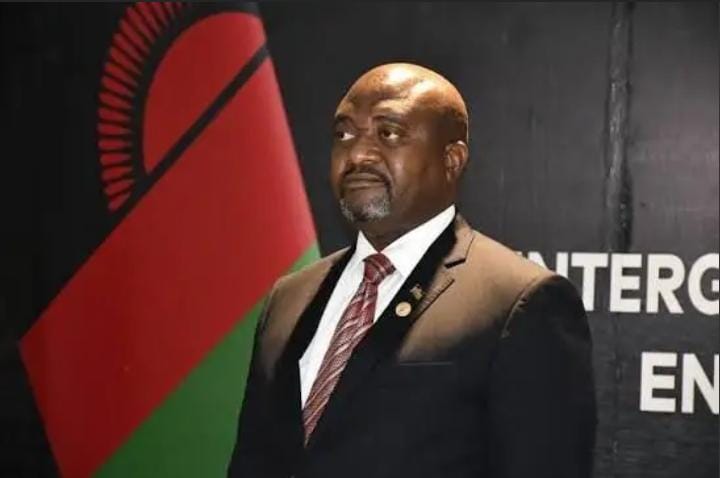
By Suleman Chitera
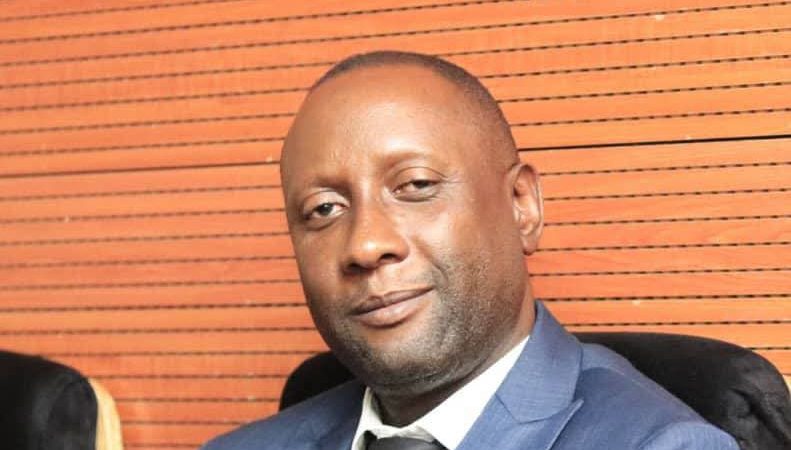
Former influential Malawi Congress Party (MCP) figure Ibrahim Matola has challenged the government’s approach to Malawi’s worsening electricity crisis, arguing that the use of generators should not be presented as a long-term solution to persistent blackouts.
Matola says the government should instead intensify efforts to secure additional electricity from Mozambique, which he believes could provide a more sustainable response to the country’s growing power deficit.
His comments come as electricity blackouts continue to affect communities and businesses across different parts of Malawi, with consumers increasingly demanding urgent and lasting solutions.
According to Matola, relying on generators would only provide temporary relief while leaving the fundamental challenges facing Malawi’s electricity sector unresolved.
He has therefore urged authorities to concentrate on securing additional power supplies and strengthening regional electricity cooperation, particularly through electricity imports from Mozambique.
EGenco responds
However, Electricity Generation Company (Egenco) has moved to clarify reports surrounding the alleged borrowing or hiring of generators.
In a statement seen by Zaamtv Online, Egenco said it has not borrowed generators and has no plans to borrow generators either locally or from outside Malawi.
The company further explained that it already has its own generators, which it uses as part of its operations.
The clarification comes amid growing public concern over the measures being considered to manage the country’s electricity shortages.
Blackouts remain a major concern
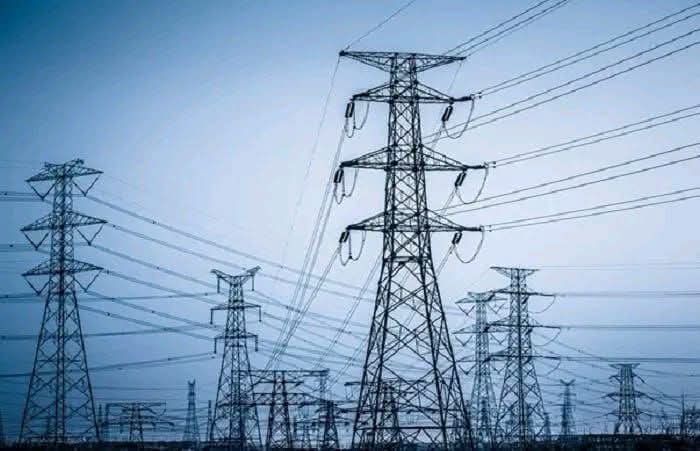
Malawi’s electricity crisis has become one of the major challenges facing households, businesses and industries.
Frequent power cuts disrupt economic activity, increase operating costs for businesses and affect households that depend on electricity for basic services.
For industries, unreliable electricity can result in production losses, while small businesses are often forced to spend additional money on alternative sources of power.
The latest debate has therefore renewed questions over whether temporary interventions such as generators can adequately address Malawi’s electricity problems.
Matola’s position is that the government needs to look beyond emergency measures and pursue arrangements capable of increasing the amount of electricity available to Malawians.
The disagreement also highlights the wider challenge facing the country: Malawi needs reliable and affordable electricity, not simply temporary measures to keep the lights on.
As blackouts continue in different parts of the country, pressure is likely to remain on the government and energy authorities to provide a clear explanation of both the immediate measures being taken and the long-term strategy for ending the power crisis.