
 Malawi Freedom Network
By MFN News Desk Team
Date: 12 October 2026
Time: 01:21 AM CAT
Category: Politics | Malawi
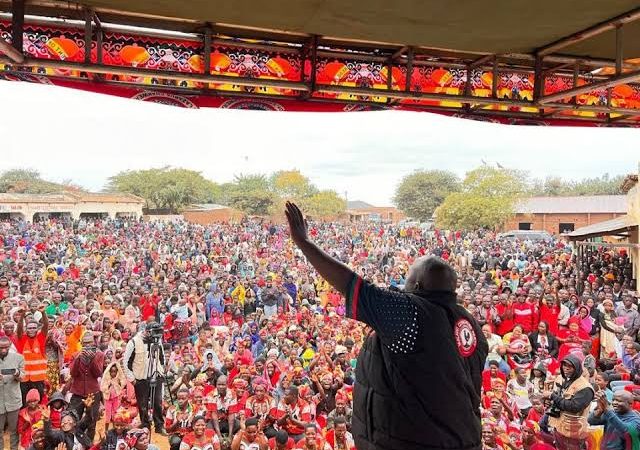
The Malawi Congress Party (MCP) is facing a growing political test as internal leadership disputes, public exchanges among party figures and disagreements over its future direction threaten to undermine its efforts to rebuild after losing power in the 2025 general elections.
What should be a period of reflection, renewal and rebuilding is increasingly being overshadowed by arguments over leadership, loyalty and who should determine the party’s future.
The question is no longer simply whether MCP can recover from its electoral defeat. It is whether the party can resolve its internal differences before the battles over leadership inflict further damage on its political standing.
Leadership battles overshadow the need for reform
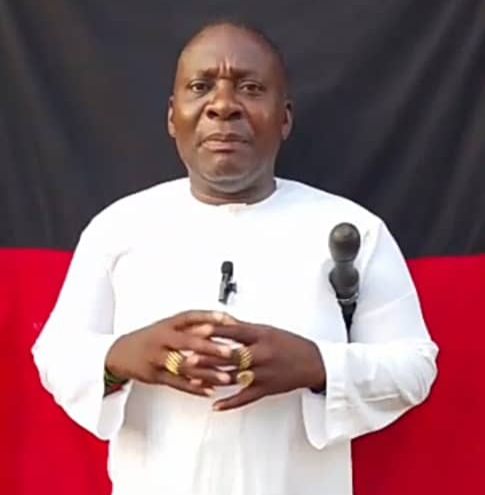
Recent exchanges involving MCP spokesperson Jessie Kabwila and party figure Vitumbiko Mumba have brought the divisions into sharper public focus.
Mumba has argued that the party needs leadership change if it hopes to regain power, while Kabwila has defended Lazarus Chakwera’s leadership and criticised Mumba’s position. The exchange has exposed a fundamental disagreement over whether MCP should maintain its current leadership direction or pursue a more substantial political reset.
The dispute reflects a difficult reality for the former governing party: its members do not appear united on the leadership choices and reforms needed to rebuild public confidence.
Instead of presenting a clear programme for political renewal, the party risks allowing internal arguments to dominate its public image.
For a party seeking to return to government, that is a serious strategic problem.
MCP risks repeating the mistakes that cost it power
Electoral defeat should force a political party to examine its weaknesses, listen to voters and reconsider the decisions that contributed to its loss.
It should create an opportunity for honest discussions about leadership, policy, organisation and public trust.
But when reform demands are met primarily with personal attacks or accusations of disloyalty, a party risks discouraging the very debate it needs to improve.
MCP must recognise that questioning leadership is not automatically an act of betrayal. Equally, calls for leadership change must be tested through the party’s constitution, democratic procedures and a serious assessment of who can best unite its members.
The central issue is whether MCP can create space for meaningful internal debate without turning every disagreement into a battle for political survival.
Chakwera faces a defining test
As the party’s central leadership figure, Chakwera faces a difficult challenge in managing competing demands for continuity and change.
Supporters of the current leadership may argue that the party must respect existing mandates and established procedures. Those demanding change may insist that the 2025 electoral defeat demonstrated the need for a different approach.
Both positions raise questions that cannot be resolved through public exchanges alone.
The party needs credible internal processes, transparent decision-making and a clear timetable for addressing leadership questions.
Without these, disagreements could deepen mistrust between party factions and leave members uncertain about the direction in which MCP is heading.
The party’s future will depend not simply on who wins an internal argument, but on whether its leadership can persuade members and voters that MCP has learned from its defeat.
Internal divisions could weaken MCP ahead of 2030
Although the next general election is scheduled for 2030, the work of rebuilding political support cannot be postponed until campaign season.
Political parties need time to strengthen grassroots structures, develop credible policies, recruit and prepare candidates, and reconnect with communities.
Persistent internal conflict could divert attention and resources away from those priorities.
It could also create opportunities for rival parties to consolidate their support while MCP remains preoccupied with disputes within its own ranks.
The danger is not that every disagreement will destroy the party. Healthy political organisations can accommodate competing ideas. The danger is that disagreements become so personal and prolonged that unity, organisation and public confidence suffer.
MCP therefore faces a choice: turn internal criticism into a serious reform process or allow factional battles to define its political identity.
The real test is whether MCP can put the party first
Malawians will ultimately judge MCP not only by what its leaders say about one another, but by the policies, leadership and political direction the party offers the country.
If MCP wants to regain public trust, it must demonstrate that it can manage disagreement democratically, account for its past performance and develop a credible plan for the future.
The party cannot rebuild its national standing through slogans about unity while its leading figures publicly disagree over the direction of its leadership.
Must read MCP Veterans Call Press Conference as Leadership Tensions Deepen
Nor can it expect voters to overlook unresolved internal problems simply because it once held power.
MCP’s biggest challenge may not be its political opponents, but its own inability to agree on the road ahead.
If its leaders allow internal battles to take priority over reform, organisation and public engagement, the party risks weakening itself long before the next election campaign begins.
The message is straightforward: MCP must confront its divisions, establish a credible path to leadership renewal and demonstrate that its interests are bigger than the ambitions of individual politicians.
Otherwise, the infighting threatening the party today could become one of the biggest obstacles to its political comeback tomorrow.
MFN News Desk Team
Malawi Freedom Network — Latest Malawi News and Breaking News