
 Suleman Chitera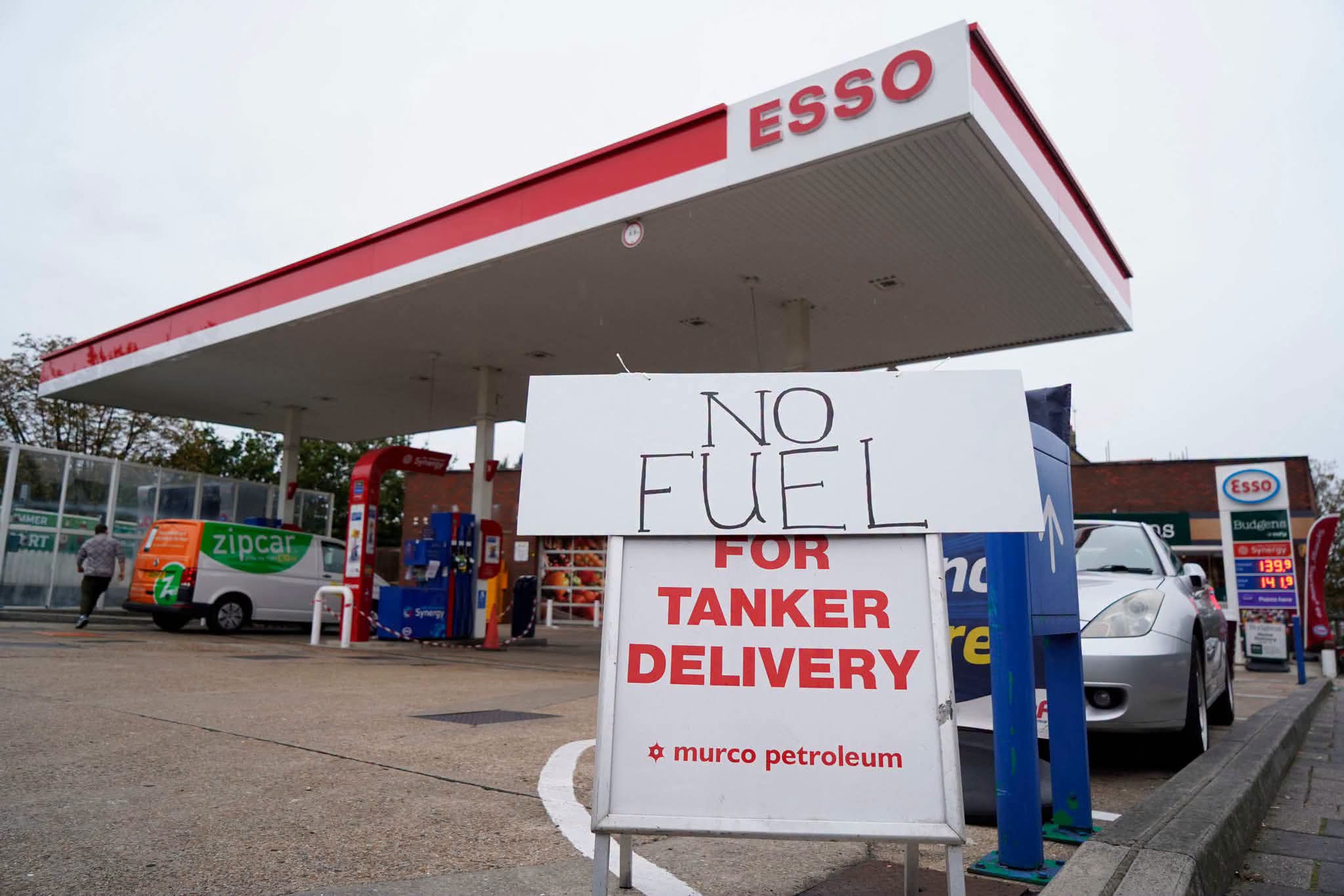
By Suleman Chitera, MFN Reporter
Date: October 12, 2026 | Time: 12:52 AM CAT
Global oil supply disruptions and escalating geopolitical tensions are driving fuel prices higher in several countries, including South Africa, Tanzania and the United Kingdom, raising concerns about the cost of living, transport expenses and the wider economic outlook.
The increases come amid a reported rise in Brent crude oil prices from $87.89 to $101.13 per barrel, putting additional pressure on countries that depend heavily on imported petroleum products. The rising cost of crude oil, combined with currency movements, shipping expenses and supply uncertainties, is increasing the financial burden on motorists, households and businesses.
The latest developments highlight the vulnerability of fuel-importing economies to international market shocks, with higher petroleum prices threatening to push up transport fares, food prices and the cost of delivering goods and services.
South Africa Announces Major Fuel Price Increase
South Africa has introduced what has been described in the supplied report as its largest-ever fuel price increase, with authorities citing geopolitical tensions involving the United States and Iran, a weaker rand and rising international shipping costs.
The South African currency was reported to be trading at R16.21 against the US dollar, increasing the local-currency cost of purchasing petroleum products on international markets.
South Africa imports approximately 60 percent of its fuel, leaving the country exposed to changes in global oil prices and fluctuations in the exchange rate. When crude oil becomes more expensive in US dollars, a weakening rand can make imports even costlier.
The reported fuel price adjustment also comes amid a deficit of approximately R10.4 billion in the country’s fuel price stabilisation account, adding to concerns about the financial pressures associated with managing volatile petroleum prices.
Higher fuel costs can affect the broader South African economy because diesel and petrol are essential to road transport, agriculture, mining, manufacturing and retail distribution. Businesses facing increased operating expenses may pass some of those costs on to consumers, potentially contributing to inflation.
For households, more expensive fuel can mean higher commuting costs and increased prices for essential goods transported by road.
Tanzania Raises Petrol and Diesel Prices
Tanzania has also increased fuel prices following disruptions in international petroleum supplies linked to conflict in the Middle East.
According to the supplied figures, petrol prices in Dar es Salaam increased by 261 Tanzanian shillings to TSh4,057 per litre, while diesel rose by 209 shillings to TSh4,086 per litre.
The country’s energy regulator attributed the adjustments to international supply disruptions, illustrating how instability in major oil-producing and shipping regions can affect fuel prices far beyond the areas experiencing conflict.
The increases are particularly significant for transport operators, commercial drivers, traders and businesses that depend on road freight to move goods between production centres, markets and consumers.
Diesel is widely used in freight transport, heavy machinery and commercial operations. An increase in its price can therefore raise the cost of moving agricultural produce, construction materials and other essential commodities.
If transport operators respond by increasing fares and freight charges, consumers may eventually face higher prices for food and other everyday necessities.
The extent of the impact will depend on how long international oil prices remain elevated and whether global supply conditions improve.
UK Diesel Prices Cross £2 Per Litre
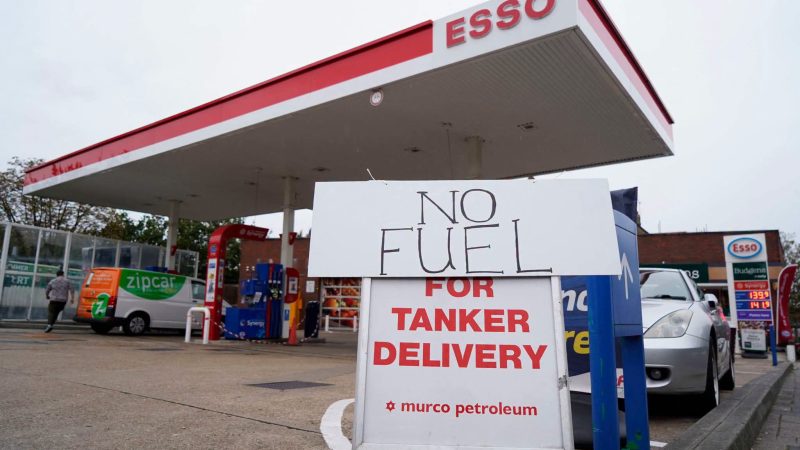
Motorists in the United Kingdom are also facing higher fuel costs, with diesel prices reportedly crossing the £2-per-litre threshold for the first time.
The supplied figures put the average diesel price at 200.01 pence per litre, while petrol reached 174.71 pence per litre.
The motoring organisation RAC has warned that the upward trend shows no immediate signs of slowing, adding to pressure on drivers and businesses already dealing with the cost of operating vehicles.
Higher diesel prices are especially consequential for the UK economy because diesel-powered vehicles play a major role in freight transport and commercial distribution. Increased fuel bills can affect delivery companies, tradespeople, public services and businesses that rely on road transport.
Motorists may respond by reducing unnecessary journeys, switching transport arrangements or cutting spending elsewhere in their household budgets.
For businesses, sustained increases in fuel costs can squeeze profit margins or lead to higher prices for customers. If fuel prices remain elevated, the resulting cost pressures could complicate efforts to control inflation.
Middle East Tensions Add to Global Oil Market Uncertainty
The conflict involving the United States and Iran is among the geopolitical developments cited as contributing to uncertainty in global energy markets.
Tensions in the Middle East are closely watched by oil traders because the region is central to global petroleum production and exports. Concerns about production facilities, shipping routes and the movement of oil tankers can push prices higher even before a sustained physical shortage occurs.
When traders anticipate that supplies could be disrupted, they may demand higher prices to reflect the risk of reduced availability and more expensive transportation.
The market is also facing pressure from other developments. Reported Ukrainian attacks on Russian oil refineries have raised concerns about the availability of refined petroleum products, while a drone strike targeting Saudi Aramco’s pipeline infrastructure has added to supply uncertainty.
Restrictions on Chinese fuel exports are another factor that could tighten the international market for refined products such as diesel and petrol.
These developments affect different parts of the petroleum supply chain. Crude oil is the raw material used to produce fuels, while refineries process it into products that consumers and businesses use. Disruptions to either crude supplies or refining capacity can influence the prices of finished fuels.
Shipping costs also matter. Higher freight and insurance expenses can increase the final price paid by importing countries, particularly those that rely on long-distance deliveries.
G7 Reportedly Plans Release of 100 Million Barrels
In an effort to ease pressure on international energy markets, G7 countries reportedly agreed on Friday to release 100 million barrels of oil from strategic reserves.
Strategic petroleum reserves are emergency stocks held by governments to help manage serious supply disruptions. Releasing oil from these reserves can provide additional supplies to the market and help reassure traders that shortages may be contained.
However, the effect on prices depends on several factors, including the timing of the release, the volume delivered, the rate at which reserves enter the market and the severity of the underlying disruption.
A coordinated release can help ease immediate supply concerns, but it cannot necessarily offset prolonged interruptions affecting major producers, refineries or shipping routes.
The reported decision comes amid heightened concern about energy security and fuel affordability, with governments under pressure to protect consumers from sudden increases in essential energy costs.
The report also refers to US President Donald Trump’s threat to ban American diesel exports, a development that could introduce further uncertainty if implemented. Restrictions on exports from a major supplier can reduce the volume of fuel available to overseas buyers and potentially intensify competition for alternative supplies.
The precise market consequences would depend on the scope and implementation of any such restriction.
What Rising Global Fuel Prices Mean for Malawi
The developments in South Africa, Tanzania and the UK are relevant to Malawi because the country depends on imported petroleum products and is exposed to changes in international fuel prices, foreign-exchange availability and transportation costs.
When global oil prices rise, the cost of importing fuel can increase. The impact on domestic pump prices depends on the prevailing international prices, the exchange rate, import and distribution costs, applicable taxes and levies, and Malawi’s fuel pricing framework.
Foreign-exchange pressures can make the situation more difficult. If the cost of purchasing US dollars rises while petroleum prices remain elevated, importers may face additional costs when bringing fuel into the country.
Higher fuel costs can also affect Malawi beyond the petrol station. Transport operators may face increased expenses, businesses may pay more to move goods, and farmers may encounter higher costs associated with machinery, logistics and the distribution of agricultural inputs and produce.
These pressures can contribute to higher prices for food and other essential commodities, particularly where transport accounts for a significant share of the final retail cost.
For consumers, the effects may include reduced purchasing power as more household income is spent on transport and basic goods. For businesses, higher operating expenses can affect investment decisions, production costs and profitability.
However, increases reported in other countries do not automatically translate into identical or immediate price changes in Malawi. Domestic adjustments depend on local pricing decisions and the costs involved in importing and distributing fuel.
Malawi’s exposure to global energy markets makes the duration of the current disruption especially important. A short-lived price increase may have a more limited effect than a prolonged period of expensive crude oil, constrained supplies and high shipping costs.
Global Energy Security Faces Another Test
The simultaneous pressure on fuel prices in several countries demonstrates how geopolitical instability can transmit economic shocks across international markets.
South Africa is facing higher import costs and currency-related pressures, Tanzania has adjusted pump prices amid international supply disruptions, and UK motorists are dealing with sharply elevated petrol and diesel prices.
Meanwhile, attacks on energy infrastructure, restrictions on fuel exports and uncertainty surrounding major oil-producing regions are complicating efforts to maintain reliable supplies.
Although the reported G7 strategic reserve release could provide some relief, the outlook will depend largely on whether geopolitical tensions ease, petroleum supplies remain available and transportation routes operate without major interruptions.
Read also CAMA Warns of K20,000 Fuel Black Market as NOCMA Seeks 440,000 Tonnes of Fuel
For fuel-importing countries such as Malawi, developments in the international oil market remain important to the cost of transport, inflation, business operations and household welfare.
The central question is how long the current supply pressures will persist and whether additional supplies can reach international markets quickly enough to prevent further increases in fuel costs.
Source note: This report is based on the information supplied for publication. The quoted price movements, government decisions, reserve-release agreement and other time-sensitive claims should be independently verified against current official statements and market data before publication.